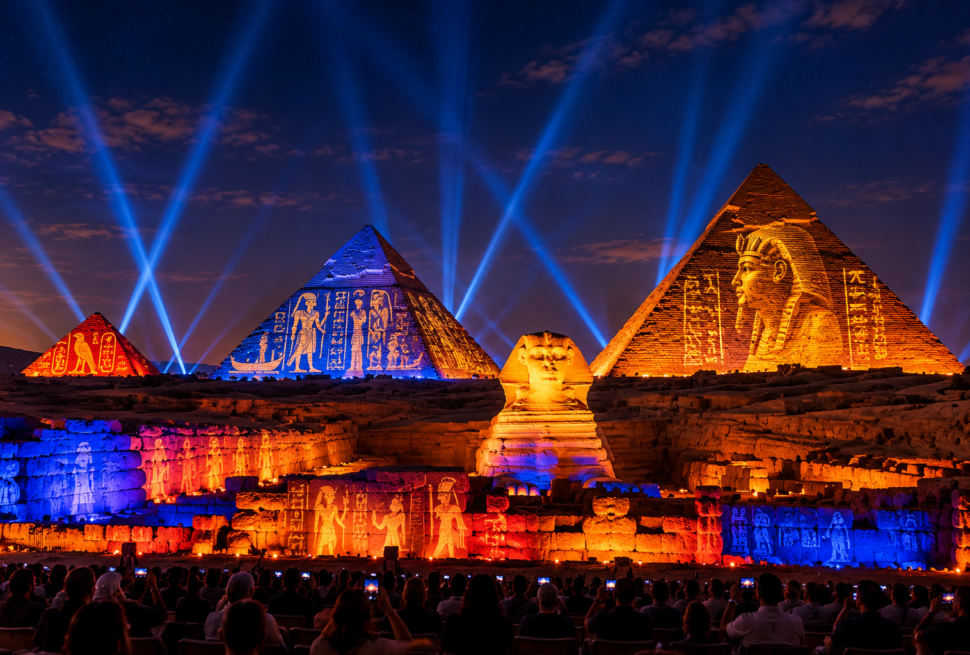


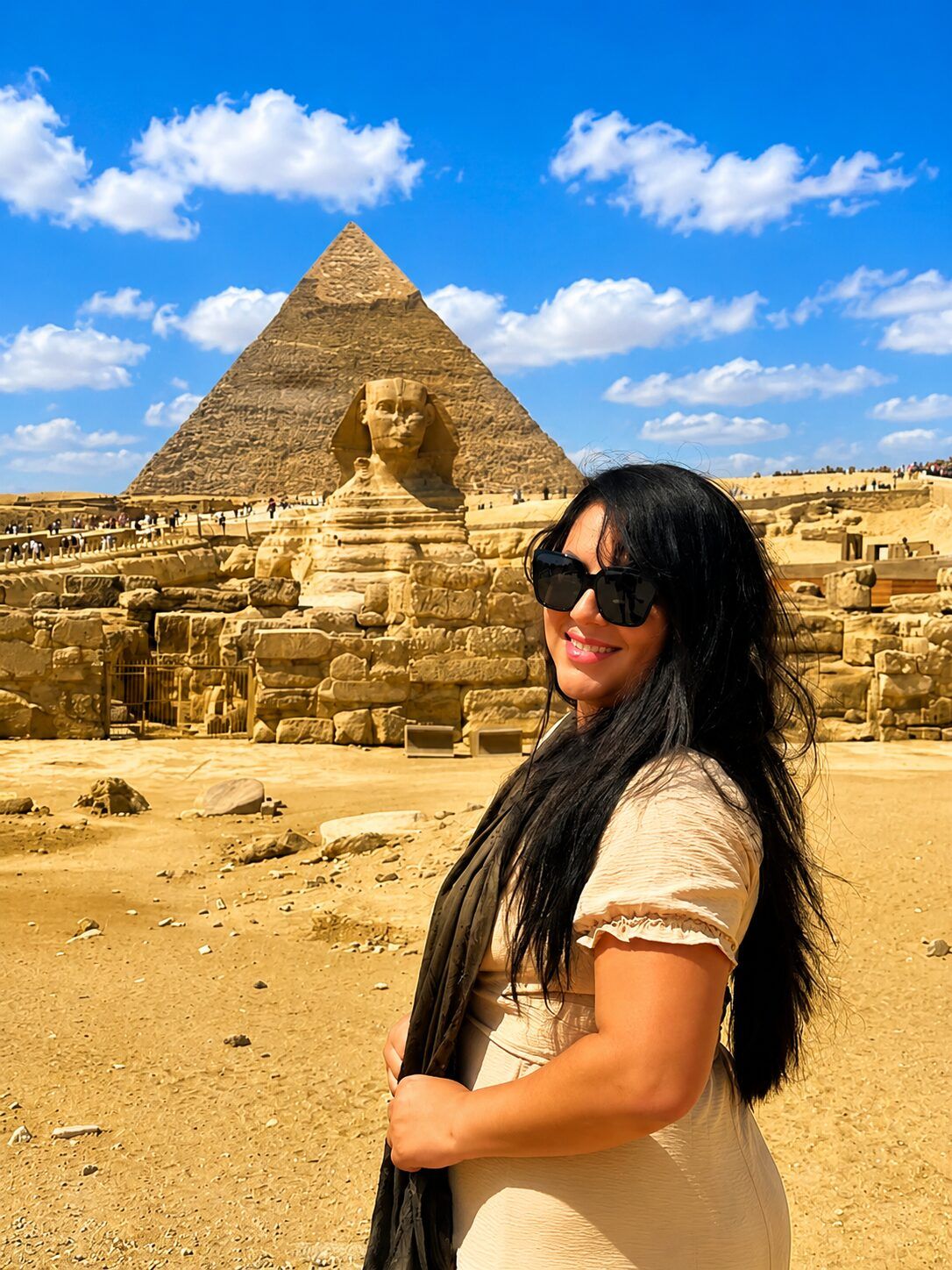
For more than 4,500 years, the Great Sphinx of Giza has watched silently over the pyramids, becoming one of the world’s most recognizable and mysterious monuments. Combining the powerful body of a lion with the head of a king, the Sphinx has inspired countless legends, archaeological discoveries, and historical debates.
Standing proudly on the Giza Plateau, just a short distance from the Great Pyramid of Khufu, the Sphinx represents strength, wisdom, and royal authority. Every year, millions of visitors travel to Egypt to admire this incredible monument, yet many leave without fully understanding its remarkable history and significance.
Unlike the pyramids, which served primarily as royal tombs, the exact purpose of the Sphinx remains one of archaeology’s greatest mysteries. Who built it? Why was it carved? What rituals took place around it? And why has it survived for so many thousands of years?
In this complete guide, you’ll discover the fascinating story behind the Great Sphinx, its construction, symbolism, architecture, and why it continues to captivate travelers from around the globe.
Quick Facts About the Great Sphinx
| Feature | Details |
|---|---|
| Official Name | Great Sphinx of Giza |
| Egyptian Name | Abu al-Hol (Father of Terror) |
| Location | Giza Plateau, Cairo, Egypt |
| Built Around | c. 2500 BCE |
| Estimated Age | Approximately 4,500 years |
| Length | 73.5 meters (241 ft) |
| Height | 20.2 meters (66 ft) |
| Width of Face | About 4.1 meters (13.5 ft) |
| Material | Natural Limestone |
| UNESCO Site | Yes (Giza Necropolis) |
Where Is the Great Sphinx?
The Great Sphinx stands on the eastern side of the Giza Plateau, directly in front of the Pyramid of Khafre.
Its location was carefully chosen.
Unlike many ancient statues that were carved from separate stone blocks, the Sphinx was sculpted directly from a massive limestone outcrop already present on the plateau. This allowed ancient builders to create one of the largest monolithic statues ever made.
Today, the monument forms part of the Giza Necropolis, one of the world’s most important archaeological sites and a UNESCO World Heritage Site.
Nearby attractions include:
- Great Pyramid of Khufu
- Pyramid of Khafre
- Pyramid of Menkaure
- Valley Temple
- Queens’ Pyramids
- Grand Egyptian Museum
Who Built the Great Sphinx?
Most Egyptologists believe the Great Sphinx was constructed during the reign of Pharaoh Khafre (also called Chephren), around 2500 BCE.
Several pieces of evidence support this theory:
- The Sphinx is aligned with Khafre’s pyramid complex.
- Limestone blocks removed while carving the Sphinx were reused in Khafre’s Valley Temple.
- Architectural similarities connect the Sphinx enclosure with Khafre’s monuments.
Although no inscription directly states that Khafre ordered the monument’s construction, this remains the most widely accepted explanation among scholars.
Leading Theories About the Builder
| Theory | Evidence | Current Scholarly View |
|---|---|---|
| Pharaoh Khafre built it | Alignment with Khafre’s pyramid complex and associated temples | Most widely accepted |
| Pharaoh Khufu built it | Based mainly on speculation | Limited supporting evidence |
| Older prehistoric civilization | Proposed in alternative theories | Not supported by mainstream archaeology |
Why Was the Great Sphinx Built?
The exact purpose of the Great Sphinx remains uncertain, but several well-supported interpretations exist.
Guardian of the Royal Necropolis
The lion has long symbolized power and protection in ancient Egyptian culture.
Positioned before the pyramids, the Sphinx may have served as the eternal guardian of the royal tombs.
Representation of the Pharaoh
Many researchers believe the Sphinx’s face represents Pharaoh Khafre himself.
Combining the body of a lion with the head of a king symbolized the ruler’s divine strength and authority.
Solar Symbolism
The Sphinx faces east toward the rising sun.
This orientation may have connected it with the sun god Ra and the concepts of rebirth, renewal, and eternal life.
Table: Possible Purposes of the Great Sphinx
| Purpose | Explanation |
|---|---|
| Guardian | Protected the royal pyramids and sacred necropolis |
| Royal Monument | Represented the divine authority of the pharaoh |
| Religious Symbol | Associated with the sun and resurrection |
| Ceremonial Landmark | Possibly used during religious festivals and rituals |
Architecture of the Great Sphinx
The Great Sphinx is remarkable not only for its symbolism but also for its engineering.
Unlike the nearby pyramids, which were built from millions of individual blocks, the Sphinx was carved directly into the bedrock.
Ancient craftsmen shaped the natural limestone into the body of a reclining lion with remarkable precision.
The monument originally included:
- A ceremonial beard
- Brightly painted surfaces
- A royal nemes headdress
- A uraeus (cobra emblem) on the forehead
Although many of these features have disappeared, traces discovered by archaeologists indicate that the Sphinx was once far more colorful than it appears today.
For travelers looking for a more exclusive experience, it may also be possible to explore the area directly in front of the Sphinx’s paws with special authorization. Learn more about this rare experience in our guide to the VIP Between the Legs of the Sphinx and discover the history of the Dream Stele, access requirements, and what makes this perspective so unique.
Table: Dimensions of the Great Sphinx
| Measurement | Size |
|---|---|
| Total Length | 73.5 m |
| Height | 20.2 m |
| Face Width | 4.1 m |
| Ear Height | Approximately 1.4 m |
| Paw Length | About 15 m |
| Estimated Weight | Around 20,000 tons |
Was the Sphinx Painted?
Yes.
Scientific analysis has identified traces of pigment on several parts of the monument.
Researchers believe:
- The face was painted reddish-brown.
- The royal headdress included blue and yellow colors.
- Decorative details highlighted facial features.
Over thousands of years, wind, rain, and erosion gradually removed these pigments.
Standing before the Sphinx today requires a bit of imagination to picture its original appearance.
The Missing Nose
Perhaps the most famous mystery surrounding the Great Sphinx concerns its missing nose.
Many visitors have heard the story that Napoleon’s soldiers destroyed it with cannon fire.
However, historical sketches created before Napoleon’s arrival already show the nose missing.
While the exact cause remains uncertain, historians generally agree that it disappeared centuries earlier.
Table: Myths vs. Facts
| Myth | Historical Evidence |
|---|---|
| Napoleon destroyed the nose | False. The nose was already missing before his campaign. |
| The Sphinx was built by aliens | No archaeological evidence supports this claim. |
| The Sphinx is older than Egyptian civilization | Mainstream archaeology dates it to around 2500 BCE. |
| Hidden cities lie beneath it | No verified archaeological evidence confirms this. |
Buried Beneath the Sand
One of the most remarkable aspects of the Sphinx’s history is that it spent long periods almost completely buried.
Over centuries, desert winds gradually covered much of its body with sand.
Only the head often remained visible.
Several rulers organized excavation projects to uncover the monument, including Thutmose IV, who later erected the famous Dream Stele between the Sphinx’s front paws.
Modern excavations during the 19th and 20th centuries finally revealed the full body visible today.
Table: Major Restoration Milestones
| Period | Restoration Activity |
|---|---|
| c. 1400 BCE | Thutmose IV cleared sand and erected the Dream Stele |
| Roman Period | Additional repairs and sand removal |
| 19th Century | Large-scale archaeological excavations |
| 20th Century | Structural conservation and stabilization |
| 21st Century | Ongoing scientific monitoring and preservation |
Why the Great Sphinx Still Fascinates the World
Despite thousands of years of study, many questions remain unanswered.
Researchers continue to investigate:
- How exactly was it carved?
- Was it originally part of a larger ceremonial complex?
- Why was its design chosen?
- What rituals were performed around it?
- What additional discoveries remain beneath the surrounding plateau?
Every new archaeological project provides fresh insights while reminding us that the Great Sphinx still holds many secrets.
The Dream Stele, Valley Temple & Exploring the Sphinx
Standing Before the Great Sphinx
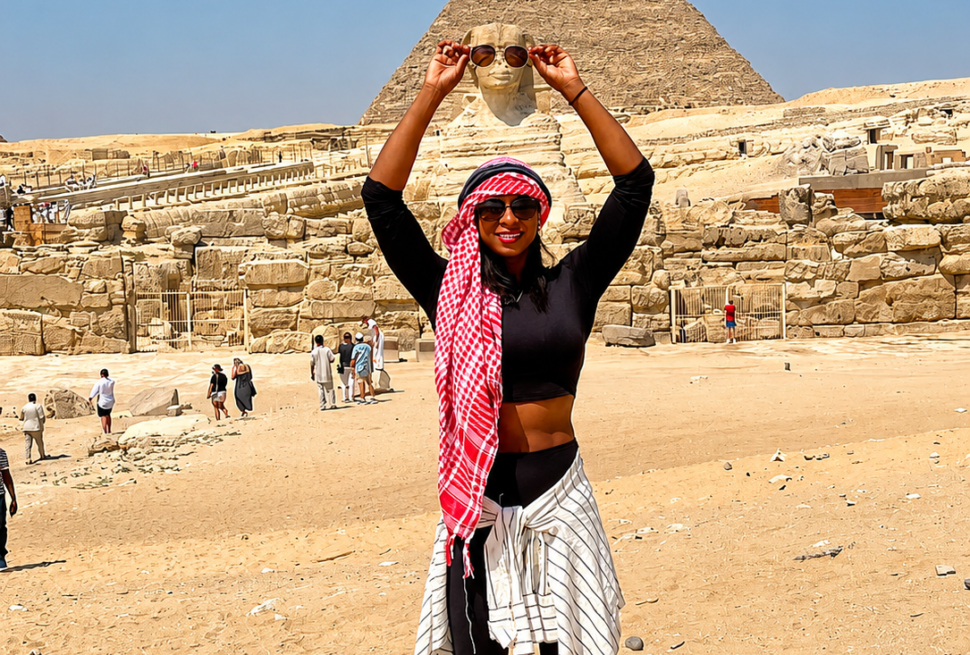
Few moments compare to standing face-to-face with the Great Sphinx of Giza. From a distance, it appears impressive, but as you approach, its true scale becomes astonishing. The weathered limestone, enormous paws, and calm facial expression create an unforgettable first impression.
The Sphinx is positioned on the eastern edge of the Giza Plateau, where it faces the rising sun each morning. This orientation has led many historians to believe it played an important religious role connected with solar worship and the rebirth of the pharaoh.
Today, visitors can walk around the viewing areas surrounding the monument while learning about one of the greatest masterpieces of ancient Egypt.
The Dream Stele
Perhaps the most famous object associated with the Great Sphinx is the Dream Stele, located between its massive front paws.
This granite monument was erected by Pharaoh Thutmose IV around 1400 BCE.
According to the inscription, the young prince was hunting near Giza when he became tired and rested in the shade of the Sphinx.
At that time, much of the monument was buried beneath desert sand.
As he slept, he dreamed that the Sphinx spoke to him.
The ancient guardian promised:
If Thutmose cleared away the sand covering the monument, he would become Pharaoh of Egypt.
Years later, after becoming king, Thutmose IV fulfilled his promise by ordering workers to excavate the Sphinx and placing the Dream Stele between its front paws.
This inscription remains one of the most important historical records connected to the Sphinx.
Dream Stele at a Glance
| Feature | Details |
|---|---|
| Name | Dream Stele |
| Builder | Pharaoh Thutmose IV |
| Date | Around 1400 BCE |
| Material | Granite |
| Location | Between the Sphinx’s front paws |
| Purpose | Commemorates Thutmose IV’s dream and restoration of the Sphinx |
| Historical Importance | One of the key inscriptions associated with the Great Sphinx |
The Valley Temple
Immediately beside the Sphinx stands one of Egypt’s best-preserved Old Kingdom temples—the Valley Temple of Khafre.
Built using enormous limestone and granite blocks, the temple formed part of Khafre’s funerary complex.
Many Egyptologists believe this structure played an important role in the king’s funeral ceremonies and the preparation of the royal body before burial.
Walking through the Valley Temple today allows visitors to admire:
- Massive granite walls.
- Precisely fitted limestone blocks.
- Ancient architectural techniques.
- The relationship between the temple and the Sphinx.
Valley Temple Highlights
| Feature | Description |
|---|---|
| Builder | Generally attributed to Pharaoh Khafre |
| Construction Material | Limestone and Aswan granite |
| Purpose | Royal funerary rituals |
| Age | Approximately 4,500 years |
| Condition | One of Egypt’s best-preserved Old Kingdom temples |
The Sphinx Enclosure
The Great Sphinx sits within a large carved enclosure cut directly into the natural limestone bedrock.
This enclosure provides valuable evidence for archaeologists studying:
- Ancient quarrying methods.
- Geological weathering.
- Construction techniques.
- Restoration history.
The stone removed while carving the Sphinx was likely reused to construct nearby temples, demonstrating the remarkable efficiency of ancient Egyptian builders.
Sphinx Enclosure Facts
| Feature | Details |
|---|---|
| Type | Excavated limestone enclosure |
| Purpose | Houses and protects the Sphinx |
| Geological Importance | Reveals natural limestone layers |
| Archaeological Value | Provides clues about construction techniques |
| Visitor Access | Viewed from designated public areas |
The Great Sphinx and the Rising Sun
One of the monument’s most fascinating characteristics is its orientation.
The Sphinx faces almost directly east.
Every morning, sunlight rises over the Nile Valley and illuminates the face of the monument.
Many scholars believe this alignment connected the Sphinx with:
- Ra, the sun god.
- Royal rebirth.
- Divine kingship.
- Eternal life.
Although the exact religious symbolism remains debated, the sunrise continues to be one of the most spectacular moments to experience the Sphinx.
Symbolism of the Great Sphinx
| Symbol | Meaning in Ancient Egypt |
|---|---|
| Lion’s Body | Strength, courage, protection |
| Human Head | Wisdom and royal authority |
| Eastward Orientation | Connection with the rising sun |
| Royal Headdress | Divine kingship |
| Dream Stele | Royal legitimacy and restoration |
Restoration Through the Centuries
The Great Sphinx has faced countless threats over thousands of years.
Wind, sand, earthquakes, pollution, and changes in groundwater have all contributed to erosion.
As a result, restoration has become an ongoing process.
Conservation teams regularly monitor:
- Limestone stability.
- Surface erosion.
- Structural cracks.
- Environmental conditions.
Modern restoration focuses on preserving the original stone while minimizing the visual impact of repairs.
Conservation Challenges
| Challenge | Impact | Conservation Response |
|---|---|---|
| Wind-blown Sand | Abrasion of the limestone | Regular monitoring and cleaning |
| Temperature Changes | Expansion and contraction of stone | Structural assessments |
| Air Pollution | Surface deterioration | Conservation treatments |
| Groundwater | Moisture-related damage | Environmental management |
| Tourism Pressure | Wear on surrounding areas | Controlled visitor access |
Can You Get Close to the Sphinx?
Visitors can enjoy excellent views of the monument from designated public viewing areas around the enclosure.
Access inside the protected enclosure between the Sphinx’s front paws is not included with a standard Giza Plateau ticket. Entry to that area is highly restricted and may only be possible through special official permissions, depending on current regulations and operational requirements.
Best Photography Spots
The Great Sphinx is one of Egypt’s most photographed landmarks.
Some of the best viewpoints include:
Main Viewing Terrace
Perfect for classic frontal photographs.
South Side
Excellent for capturing both the Sphinx and the Pyramid of Khafre.
Panorama Point
Ideal for wide-angle views of the pyramids together with the surrounding landscape.
Sunrise
Soft morning light creates dramatic shadows and highlights the monument’s facial features.
Table: Best Photography Locations
| Location | Best Time | Why Visit |
|---|---|---|
| Main Viewing Platform | Morning | Classic front view |
| South Side | Sunrise | Sphinx with Khafre’s Pyramid |
| Panorama Area | Sunset | Wide desert landscape |
| Valley Temple | Late Afternoon | Architectural details |
| Eastern Walkway | Early Morning | Soft natural light |
Visitor Experience
Most travelers spend 30–60 minutes exploring the Sphinx area.
During this time, visitors typically:
- Learn about its history.
- Admire its enormous size.
- Visit the Dream Stele from the public viewpoint.
- Explore the nearby Valley Temple.
- Capture memorable photographs.
Pairing the Sphinx with the pyramids creates one of the world’s greatest archaeological experiences.
Why the Great Sphinx Remains a Global Icon
The Great Sphinx is more than an ancient statue.
It has become an enduring symbol of Egypt itself.
Its mysterious smile, monumental size, and remarkable survival through thousands of years continue to inspire archaeologists, artists, historians, and travelers alike.
Every visit reveals something new, whether it is the precision of the carving, the symbolism of its design, or the breathtaking setting beneath the pyramids.
- The missing nose mystery
- The lost beard
- Was the Sphinx once painted?
- Hidden tunnels and chambers
- Modern archaeological discoveries
- Myths versus historical facts
- Fascinating discoveries beneath the Giza Plateau
Visitor Checklist
| Item | Recommended |
|---|---|
| Comfortable Walking Shoes | ✅ |
| Sunscreen | ✅ |
| Sunglasses | ✅ |
| Hat | ✅ |
| Camera or Smartphone | ✅ |
| Water Bottle | ✅ (follow site rules) |
| Egyptologist Guide | Highly Recommended |
| Morning Visit | Best for cooler temperatures and photography |
Mysteries, Legends & Modern Discoveries
The Great Sphinx: A Monument Filled with Mystery
For thousands of years, the Great Sphinx of Giza has fascinated explorers, archaeologists, historians, and travelers. While modern research has answered many questions about the monument, countless mysteries remain.
Why was it built?
What happened to its nose?
Was it originally painted?
Are there hidden chambers beneath it?
Although archaeological research has made enormous progress during the last century, the Great Sphinx continues to guard many of its ancient secrets.
The Mystery of the Missing Nose
One of the first questions almost every visitor asks is:
“What happened to the Sphinx’s nose?”
The missing nose has inspired countless stories over the centuries.
The most famous legend claims that Napoleon Bonaparte’s soldiers destroyed it with cannon fire during the French campaign in Egypt.
However, this story is almost certainly false.
Historical sketches created decades before Napoleon arrived already show the nose missing.
Most historians believe it disappeared much earlier, although no definitive explanation exists.
Some historical accounts suggest deliberate damage during the medieval period, while others point to natural deterioration over centuries.
Regardless of how it disappeared, the missing nose has become one of the Sphinx’s defining characteristics.
Myths About the Missing Nose
| Myth | Historical Reality |
|---|---|
| Napoleon destroyed it | False. Earlier drawings already show the nose missing. |
| It simply fell off naturally | Possible but unproven. |
| It was intentionally damaged centuries ago | Considered the most likely explanation by many historians. |
| The nose is hidden in a museum | False. It has never been recovered. |
The Lost Beard
Many visitors do not realize that the Great Sphinx originally had a ceremonial beard.
Fragments of this beard were discovered during archaeological excavations in the nineteenth century.
Today:
- Some fragments are displayed in museums.
- Other pieces remain in Egypt.
- The beard was probably added after the original carving of the Sphinx.
The ceremonial beard reinforced the monument’s association with divine kingship.
Original Features That Have Been Lost
| Feature | Original Appearance | Today |
|---|---|---|
| Nose | Fully carved limestone | Missing |
| Ceremonial Beard | Attached beneath the chin | Fragmentary remains |
| Cobra (Uraeus) | Decorated the forehead | Lost |
| Bright Paint | Covered parts of the face and headdress | Only tiny traces remain |
Was the Great Sphinx Painted?
Yes.
Many people imagine the Sphinx as always having the natural beige color seen today.
Scientific analysis tells a different story.
Researchers have discovered traces of:
- Red pigment on the face.
- Blue coloring on parts of the royal headdress.
- Yellow details in decorative elements.
When newly completed, the Sphinx would have appeared far more colorful and visually striking than it does today.
Imagine seeing the monument glowing beneath the Egyptian sun with bright colors highlighting its royal features.
Hidden Chambers Beneath the Sphinx
Few archaeological topics generate more excitement than the possibility of hidden chambers.
Over the years, numerous theories have suggested:
- Secret tunnels.
- Underground temples.
- Hidden libraries.
- Lost royal chambers.
Some alternative theories even describe a mythical “Hall of Records.”
However, despite decades of scientific investigation, no verified archaeological evidence has confirmed the existence of such legendary chambers beneath the Great Sphinx.
Researchers continue to study the surrounding area using modern technology, but extraordinary claims require equally strong evidence.
Table: Hidden Chamber Theories
| Theory | Current Evidence |
|---|---|
| Hall of Records | No verified archaeological evidence |
| Secret Treasure Chamber | No confirmed discoveries |
| Underground Temple | No confirmed evidence |
| Ancient Tunnel Network | Some natural and archaeological features exist, but no proof of legendary networks |
| Hidden Library | No archaeological confirmation |
Geological Mysteries
The Sphinx has experienced thousands of years of erosion.
Scientists continue debating exactly how different natural forces shaped the monument.
Major factors include:
Wind
Strong desert winds gradually wear away limestone surfaces.
Sand
Moving sand acts like natural sandpaper, slowly smoothing and eroding exposed stone.
Moisture
Occasional rainfall and changes in groundwater have also contributed to weathering over thousands of years.
Temperature Changes
Daily heating and cooling cause the limestone to expand and contract, creating small cracks that gradually enlarge.
Modern Technology and the Great Sphinx
Today’s archaeologists use advanced technology to study the Sphinx without damaging it.
These methods include:
- 3D laser scanning.
- Ground-penetrating radar.
- Digital mapping.
- High-resolution photography.
- Geological surveys.
These tools help researchers monitor the monument’s condition and guide conservation efforts.
Table: Modern Research Methods
| Technology | Purpose |
|---|---|
| 3D Laser Scanning | Creates highly accurate digital models |
| Ground-Penetrating Radar | Studies underground features |
| Digital Photogrammetry | Records surface details |
| Geological Analysis | Examines limestone deterioration |
| Structural Monitoring | Detects movement and cracks |
The Great Sphinx in Ancient Egyptian Religion
The Sphinx represented far more than an impressive sculpture.
For the ancient Egyptians, it symbolized:
- Royal authority.
- Divine protection.
- Strength.
- Wisdom.
- Solar power.
Many researchers believe religious ceremonies once took place around the monument.
Its alignment with the rising sun further strengthens its connection with ancient Egyptian solar beliefs.
Table: Religious Symbolism
| Symbol | Meaning |
|---|---|
| Lion | Strength and protection |
| Human Head | Intelligence and kingship |
| Eastward Orientation | Sunrise, rebirth, renewal |
| Royal Headdress | Divine authority |
| Dream Stele | Royal legitimacy |
Fascinating Facts About the Great Sphinx
Here are some remarkable facts many visitors don’t know:
- The Sphinx is carved directly from natural limestone bedrock.
- It is the largest monolithic statue in Egypt.
- Its face measures over four meters wide.
- The front paws stretch approximately fifteen meters.
- It spent centuries buried beneath desert sand.
- It has undergone numerous restoration campaigns.
- Despite its age, many original limestone blocks remain intact.
Why Archaeologists Still Study the Sphinx
Although thousands of scientific papers have been written, the Great Sphinx continues to raise important questions.
Researchers are still investigating:
- Construction techniques.
- Quarrying methods.
- Geological weathering.
- Ancient restoration.
- Religious symbolism.
- Environmental preservation.
Each new study contributes another piece to the puzzle.
Visitor Experience Today
Modern visitors enjoy one of the world’s greatest archaeological monuments while benefiting from decades of conservation work.
Interpretive signs, designated viewing areas, and nearby attractions help visitors better understand the monument and its place within the wider Giza Plateau.
Hiring a licensed Egyptologist guide can make the experience even more rewarding by explaining the history, symbolism, and latest archaeological discoveries.
Complete Visitor Guide, Travel Tips & FAQs
Focus Keyword: Great Sphinx of Giza
Secondary Keywords: Visit the Great Sphinx, Giza Plateau Guide, Great Sphinx Tickets, Cairo Attractions, Egypt Travel Guide
Planning Your Visit to the Great Sphinx
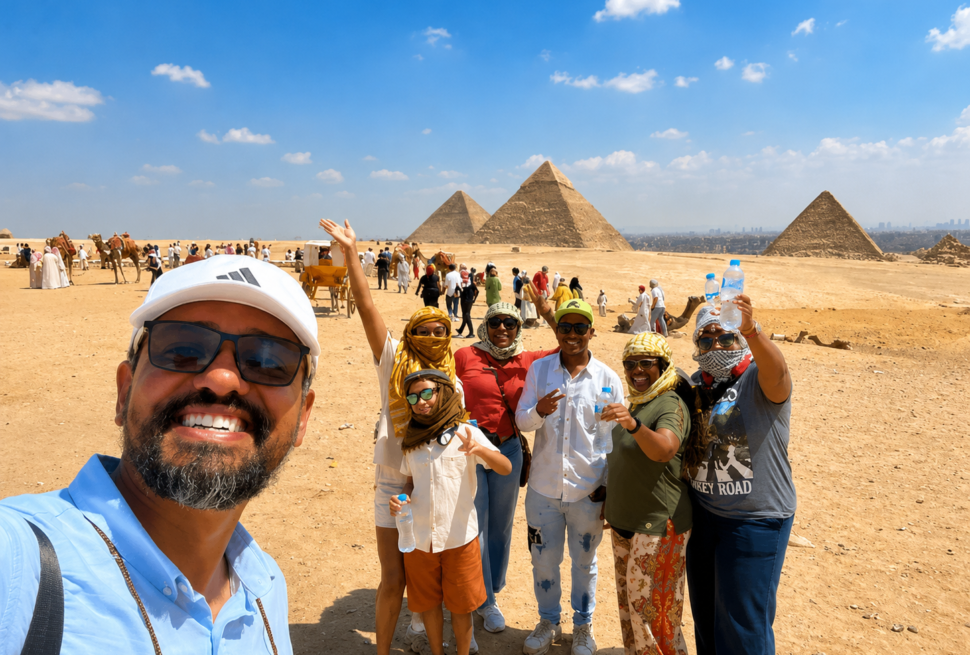
A visit to the Great Sphinx of Giza is one of the highlights of any trip to Egypt. Located on the legendary Giza Plateau, the Sphinx is easily combined with the Great Pyramid, the Pyramid of Khafre, the Pyramid of Menkaure, the Valley Temple, and the Grand Egyptian Museum.
Most travelers spend 45 to 90 minutes exploring the Sphinx area, while those with a licensed Egyptologist guide often stay longer to learn about the monument’s history, symbolism, and ongoing archaeological discoveries.
The best way to enjoy the Sphinx is to arrive early in the morning or late in the afternoon when temperatures are cooler and the lighting is ideal for photography.
Best Time to Visit
Egypt welcomes visitors year-round, but each season offers a different experience.
October to April
This period is generally considered the best time for sightseeing because of the pleasant temperatures.
Advantages include:
- Comfortable walking conditions.
- Excellent visibility.
- Beautiful sunrise and sunset photography.
- Cooler afternoons.
May to September
Summer brings:
- Fewer visitors during some periods.
- Longer daylight hours.
- Extremely hot afternoons.
Morning visits are strongly recommended during warmer months.
Best Time to Visit the Great Sphinx
| Season | Weather | Crowd Level | Recommendation |
|---|---|---|---|
| October | Pleasant | Moderate | ⭐⭐⭐⭐⭐ |
| November | Mild | Moderate | ⭐⭐⭐⭐⭐ |
| December | Cool | High | ⭐⭐⭐⭐⭐ |
| January | Cool | High | ⭐⭐⭐⭐⭐ |
| February | Mild | High | ⭐⭐⭐⭐⭐ |
| March | Warm | Moderate | ⭐⭐⭐⭐☆ |
| April | Warm | Moderate | ⭐⭐⭐⭐☆ |
| May–September | Hot | Lower during some periods | ⭐⭐⭐☆☆ |
How to Get There
The Great Sphinx is located within the Giza Plateau, approximately 15–18 km (9–11 miles) southwest of central Cairo.
Visitors can reach the site by:
- Private guided tour.
- Taxi.
- Ride-hailing services.
- Tour buses.
Private tours remain the most convenient option because they combine transportation with historical interpretation from a licensed Egyptologist.
Transportation Options
| Option | Comfort | Flexibility | Recommended For |
|---|---|---|---|
| Private Tour | ⭐⭐⭐⭐⭐ | ⭐⭐⭐⭐⭐ | Families, couples, luxury travelers |
| Taxi | ⭐⭐⭐⭐☆ | ⭐⭐⭐⭐☆ | Independent travelers |
| Ride-Hailing App | ⭐⭐⭐⭐☆ | ⭐⭐⭐⭐☆ | Budget-conscious visitors |
| Tour Bus | ⭐⭐⭐☆☆ | ⭐⭐☆☆☆ | Large groups |
Photography Tips
The Great Sphinx is one of the most photographed monuments in the world.
For the best images:
- Visit during sunrise or the golden hour before sunset.
- Use a wide-angle lens to capture the Sphinx with the pyramids.
- Include people in the frame to show scale.
- Experiment with side angles for dramatic lighting.
Always follow current photography rules within the archaeological site.
Best Photography Locations
| Location | Best Time | Why It’s Special |
|---|---|---|
| Main Viewing Platform | Morning | Classic frontal view |
| South Side | Sunrise | Sphinx with Khafre’s Pyramid |
| Panorama Point | Sunset | Wide desert landscape |
| Valley Temple | Afternoon | Historic architecture |
| Eastern Walkway | Early Morning | Soft natural light |
What Should You Wear?
Comfortable clothing is essential.
Recommended items include:
- Lightweight clothing.
- Comfortable walking shoes.
- Sunglasses.
- Hat.
- Sunscreen.
- Reusable water bottle (where permitted).
Although Egypt welcomes international visitors, modest clothing is appreciated when visiting cultural and archaeological sites.
Visitor Checklist
| Item | Recommended |
|---|---|
| Comfortable Shoes | ✅ |
| Hat | ✅ |
| Sunglasses | ✅ |
| Sunscreen | ✅ |
| Camera | ✅ |
| Portable Charger | ✅ |
| Water Bottle | ✅ |
| Small Backpack | ✅ |
Nearby Attractions
The Great Sphinx forms part of a much larger archaeological landscape.
Nearby attractions include:
- Great Pyramid of Khufu.
- Pyramid of Khafre.
- Pyramid of Menkaure.
- Valley Temple.
- Queens’ Pyramids.
- Grand Egyptian Museum.
- Saqqara.
- Memphis.
Many visitors combine several of these sites into a full-day private tour.
Nearby Attractions
| Attraction | Distance | Suggested Visit Time |
|---|---|---|
| Great Pyramid | About 500 m | 1–2 hours |
| Pyramid of Khafre | About 300 m | 30 minutes |
| Pyramid of Menkaure | About 700 m | 30 minutes |
| Valley Temple | Adjacent | 20–30 minutes |
| Grand Egyptian Museum | About 2 km | 2–4 hours |
| Saqqara | About 30 km | Half day |
| Memphis | About 35 km | 1–2 hours |
Is the Great Sphinx Suitable for Everyone?
Absolutely.
The Sphinx appeals to:
- Families.
- Couples.
- Solo travelers.
- Photographers.
- Archaeology enthusiasts.
- Luxury travelers.
- Educational groups.
The main viewing areas are accessible for most visitors, although walking distances and uneven surfaces should be considered.
Who Should Visit?
| Traveler Type | Recommendation |
|---|---|
| Families | ⭐⭐⭐⭐⭐ |
| Couples | ⭐⭐⭐⭐⭐ |
| Solo Travelers | ⭐⭐⭐⭐⭐ |
| History Lovers | ⭐⭐⭐⭐⭐ |
| Photographers | ⭐⭐⭐⭐⭐ |
| Luxury Travelers | ⭐⭐⭐⭐⭐ |
| School Groups | ⭐⭐⭐⭐☆ |
Why the Great Sphinx Is Worth Visiting
Few monuments combine history, mystery, engineering, and artistic achievement as successfully as the Great Sphinx.
Standing before this ancient guardian allows visitors to appreciate:
- One of the oldest monumental sculptures ever created.
- The heart of Egypt’s Fourth Dynasty.
- A masterpiece carved directly from natural bedrock.
- A monument that has inspired civilizations for thousands of years.
No visit to Egypt is complete without experiencing the Great Sphinx.
Frequently Asked Questions
Can visitors go inside the Sphinx?
No. There is no public access inside the monument itself.
Can you stand between the Sphinx’s front paws?
This area is not open with a standard admission ticket. Access, when available, requires special official permission and is subject to current regulations and approvals.
How long should I spend at the Sphinx?
Most visitors spend 45–90 minutes exploring the area.
Is the Sphinx older than the pyramids?
The mainstream archaeological view is that the Sphinx was carved around the same period as Khafre’s pyramid complex, approximately 2500 BCE.
What happened to its nose?
The exact cause remains unknown, but it disappeared long before Napoleon’s Egyptian campaign.
Was the Sphinx painted?
Yes. Scientific evidence indicates that it originally featured brightly colored pigments.
Is photography allowed?
Yes, photography is generally permitted in the public areas, but visitors should always follow current site regulations.
Great Sphinx Fast Facts
| Feature | Information |
|---|---|
| Builder | Generally attributed to Pharaoh Khafre |
| Age | Approximately 4,500 years |
| Height | 20.2 meters |
| Length | 73.5 meters |
| Material | Limestone |
| Famous Feature | Dream Stele |
| UNESCO Status | World Heritage Site |
| Orientation | Faces East |
Why Visit the Great Sphinx?
| Reason | Experience |
|---|---|
| Ancient History | Discover one of the world’s oldest monumental sculptures |
| Engineering | Admire extraordinary stone carving techniques |
| Photography | Capture iconic views of the Sphinx and pyramids |
| Cultural Heritage | Explore a UNESCO World Heritage Site |
| Educational Value | Learn about Ancient Egyptian civilization |
Full-Day Giza Itinerary
| Time | Activity |
|---|---|
| 8:00 AM | Arrive at Giza Plateau |
| 8:30 AM | Great Pyramid |
| 10:00 AM | Pyramid of Khafre |
| 10:45 AM | Great Sphinx |
| 11:30 AM | Valley Temple |
| 12:15 PM | Panorama Point |
| 1:00 PM | Lunch |
| 2:30 PM | Grand Egyptian Museum |
Final Thoughts
The Great Sphinx of Giza is far more than an ancient monument—it is a timeless symbol of Egypt’s remarkable civilization. For more than four millennia, it has stood watch over the pyramids, surviving natural erosion, changing empires, and the passage of time.
Whether you are passionate about archaeology, photography, history, or simply wish to experience one of the world’s greatest landmarks, the Great Sphinx deserves a place at the top of your Egypt itinerary.
Standing before this magnificent guardian is a reminder of humanity’s creativity, ambition, and enduring legacy.
Ready to Explore the Great Sphinx?
Make your visit unforgettable with Let’s Explore Egypt.
Our private tours include:
- 🏛️ Licensed Egyptologist guides
- 🚗 Private air-conditioned transportation
- 📸 Plenty of time for photography
- 🌅 Sunrise and sunset tour options
- 👨👩👧 Customized itineraries
- 💬 24/7 customer support
Experience the Great Sphinx, the Giza Pyramids, and Egypt’s greatest treasures with local experts who are passionate about sharing their country’s incredible history.
Contact Let’s Explore Egypt
📱 WhatsApp / Phone: +20 1203233365
📧 Email: info@lets-explore-egypt.com
✨ Your Egyptian Adventure Starts Here
Message us on WhatsApp today and let our local experts help you experience the Great Sphinx, the Giza Pyramids, and the wonders of Ancient Egypt with a personalized private tour.
Recommended Egypt Tours

Why You Can Trust Let's Explore Egypt
This article was written and reviewed by the Let's Explore Egypt Editorial Team, a licensed Egyptian tour operator specializing in private Egypt tours, Nile cruises, and tailor-made travel experiences since 2009.
- 🏛 Licensed Egyptian Tour Operator Since 2009
- ⭐ Trusted by Thousands of Travelers Worldwide
- 👨🏫 Written & Reviewed by Local Egypt Travel Experts
- 🚐 Private Tours & Tailor-Made Travel Experiences
- 📞 24/7 Customer Support