

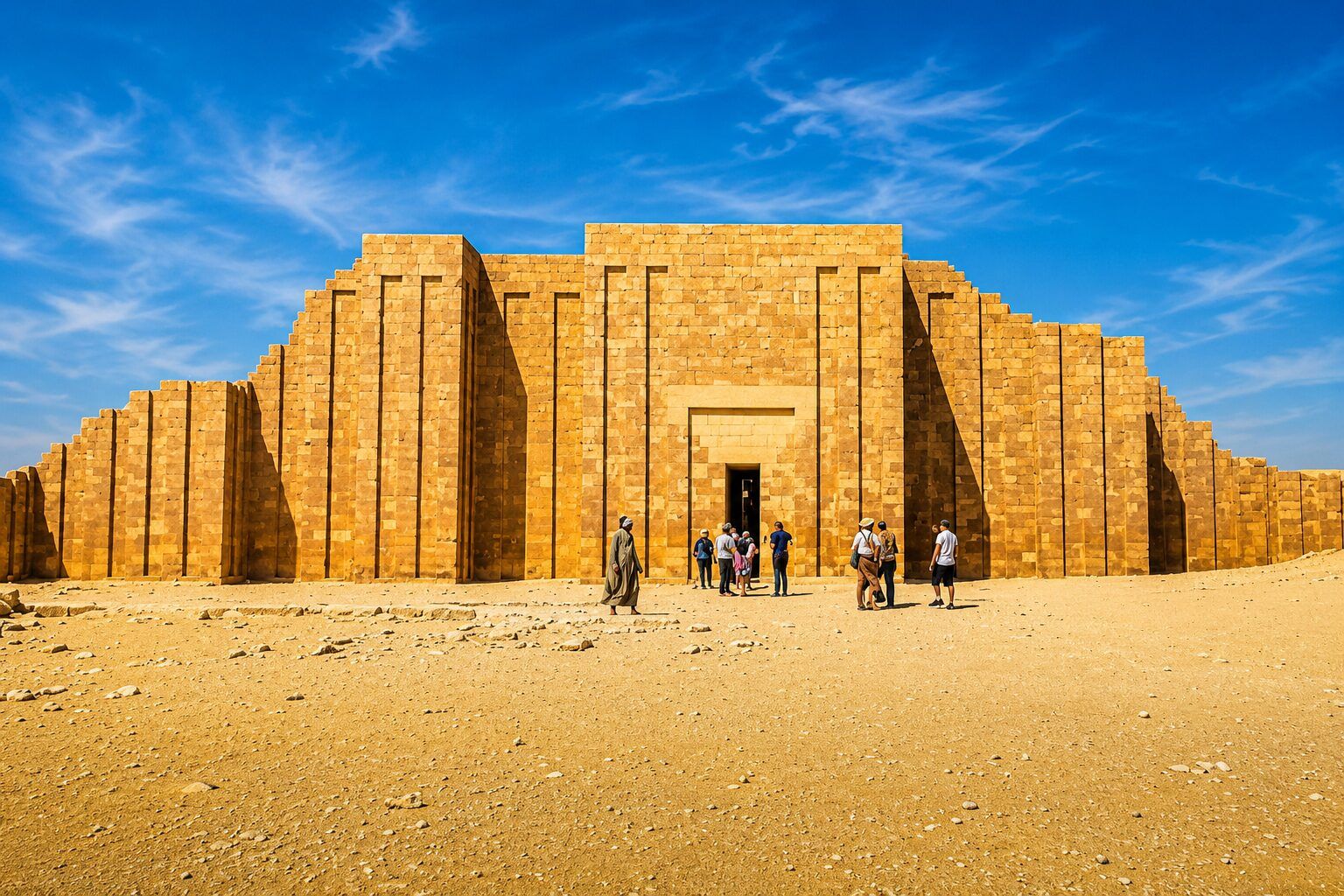
Welcome to Saqqara Necropolis
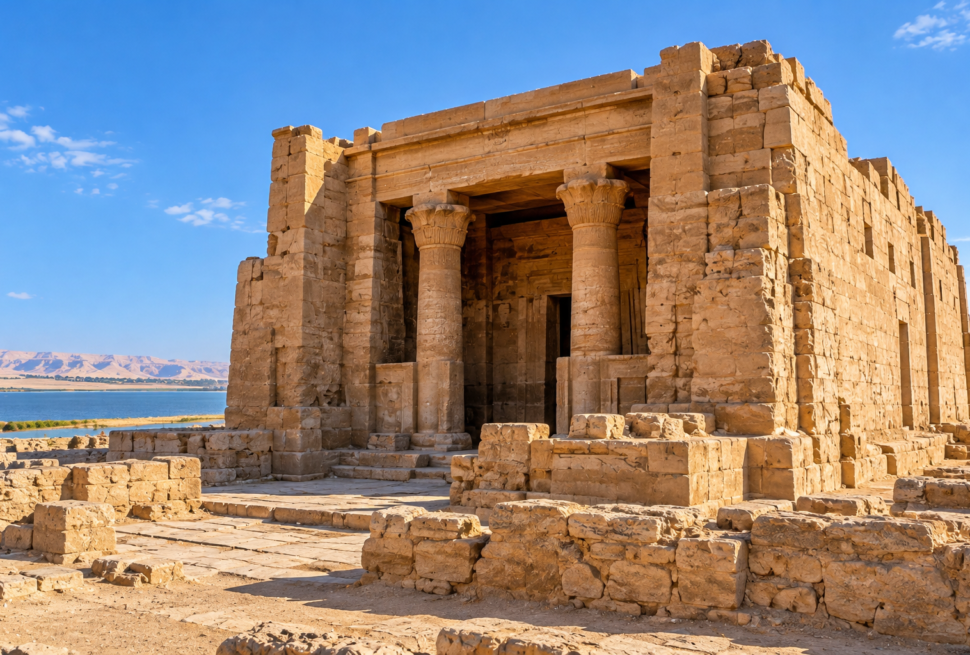
Stretching across the desert plateau southwest of Cairo, the Saqqara Necropolis is one of the most extraordinary archaeological sites on Earth. Serving as the principal cemetery of the ancient city of Memphis for more than 3,000 years, Saqqara preserves the story of Ancient Egypt from the earliest dynasties through the Greco-Roman Period.
While many travellers immediately think of the Pyramids of Giza, historians often describe Saqqara as the true birthplace of pyramid architecture. It was here that the brilliant architect Imhotep designed the Step Pyramid of Djoser, the world’s first monumental stone pyramid, forever changing the history of architecture.
Today, Saqqara is a vast open-air museum filled with pyramids, mastabas, temples, underground galleries, animal catacombs, and beautifully decorated tombs that reveal the daily life, religion, and beliefs of one of the world’s greatest civilizations.
Table 1: Saqqara Necropolis at a Glance
| Feature | Details |
|---|---|
| Official Name | Saqqara Necropolis |
| Location | Giza Governorate, Egypt |
| Ancient City Served | Memphis |
| Famous Monument | Step Pyramid of Djoser |
| UNESCO Status | World Heritage Site |
| Historical Period | Early Dynastic to Greco-Roman |
| Estimated Area | More than 7 km long |
| Best Known For | Egypt’s oldest pyramid complex |
What Is the Saqqara Necropolis?
The word “necropolis” comes from the Greek meaning “city of the dead.” It refers to a vast cemetery where generations of kings, queens, nobles, priests, officials, and sacred animals were buried.
Saqqara served as the main burial ground for Memphis, the ancient capital of Egypt, for thousands of years. Unlike a single monument, it is an enormous archaeological landscape containing:
- Royal pyramids
- Noble tombs (mastabas)
- Temples
- Burial shafts
- Underground catacombs
- Sacred animal cemeteries
- Monasteries from the Coptic period
This incredible diversity makes Saqqara one of the richest archaeological sites in the world.
Table 2: What You Can See at Saqqara
| Monument | Importance |
|---|---|
| Step Pyramid of Djoser | World’s first pyramid |
| Pyramid of Unas | First Pyramid Texts |
| Serapeum | Burial place of the Apis bulls |
| Tomb of Ti | Outstanding relief carvings |
| Mastaba of Mereruka | Largest noble tomb in Saqqara |
| Imhotep Museum | Artifacts from the site |
Where Is Saqqara?
Saqqara lies approximately 30 kilometers (19 miles) south of central Cairo and around 15 kilometers (9 miles) south of the Giza Plateau.
The site overlooks the fertile Nile Valley while extending westward into the desert, following the traditional Egyptian belief that the west—the direction of the setting sun—was associated with death and the afterlife.
Its strategic location made it the perfect royal cemetery for the nearby capital of Memphis.
Table 3: Location Facts
| Feature | Information |
|---|---|
| Distance from Cairo | About 30 km |
| Distance from Giza Pyramids | About 20 km |
| Nearby Ancient City | Memphis |
| Region | Giza Governorate |
| Landscape | Desert Plateau |
Why Was Saqqara So Important?
For more than three millennia, Saqqara served as Egypt’s most important royal cemetery.
Kings of the Early Dynastic Period and the Old Kingdom selected Saqqara because of its close connection to Memphis, the political and administrative center of Ancient Egypt.
The site continued to expand throughout Egyptian history, welcoming new pyramids, temples, tombs, and religious monuments from many different dynasties.
Few places in Egypt demonstrate such a continuous history of royal and religious activity.
Table 4: Why Saqqara Matters
| Reason | Explanation |
|---|---|
| Royal Cemetery | Burial place for kings and nobles |
| Birthplace of Pyramid Building | Home of the Step Pyramid |
| Religious Center | Sacred temples and ceremonies |
| Archaeological Treasure | Thousands of years of discoveries |
| UNESCO Site | Protected World Heritage landmark |
Memphis and Its Royal Cemetery
The ancient city of Memphis was founded around 3100 BCE and became Egypt’s first great capital.
As Memphis flourished, Saqqara developed into its official cemetery.
The close relationship between the city of the living and the city of the dead reflected Ancient Egyptian beliefs that royal authority continued beyond death.
Every pharaoh hoped to secure eternal life through elaborate tombs and carefully planned funerary rituals.
Table 5: Memphis and Saqqara
| Memphis | Saqqara |
|---|---|
| Capital of Ancient Egypt | Royal cemetery |
| Political center | Religious center |
| Home of the living | City of the dead |
| Administrative capital | Funerary landscape |
The Birthplace of Pyramid Architecture
The greatest achievement of Saqqara is undoubtedly the construction of the Step Pyramid of Djoser.
Designed by Imhotep around 2670 BCE, it was the first monumental stone building ever created.
This revolutionary project transformed a traditional mastaba into a six-level pyramid and introduced engineering techniques that later produced:
- Bent Pyramid
- Red Pyramid
- Great Pyramid of Giza
- Pyramid of Khafre
- Pyramid of Menkaure
Without Saqqara, the famous pyramids of Giza might never have existed.
Table 6: Evolution of Pyramid Construction
| Monument | Historical Importance |
|---|---|
| Mastaba | Early royal tomb |
| Step Pyramid | First pyramid |
| Bent Pyramid | Transition to smooth sides |
| Red Pyramid | First true smooth-sided pyramid |
| Great Pyramid | Peak of Old Kingdom engineering |
A Necropolis Used for Thousands of Years
Unlike many archaeological sites associated with a single period, Saqqara continued to evolve for over 3,000 years.
New tombs and temples were added during:
- Early Dynastic Period
- Old Kingdom
- Middle Kingdom
- New Kingdom
- Late Period
- Ptolemaic Period
- Roman Period
Each era left behind unique monuments, making Saqqara a complete timeline of Ancient Egyptian civilization.
Table 7: Historical Periods
| Period | Approximate Date |
|---|---|
| Early Dynastic | c. 3100–2686 BCE |
| Old Kingdom | c. 2686–2181 BCE |
| Middle Kingdom | c. 2055–1650 BCE |
| New Kingdom | c. 1550–1069 BCE |
| Late Period | c. 664–332 BCE |
| Ptolemaic & Roman | 332 BCE onward |
UNESCO World Heritage Site
In 1979, UNESCO recognized the outstanding value of Saqqara by including it within the World Heritage Site known as “Memphis and its Necropolis – the Pyramid Fields from Giza to Dahshur.”
This designation protects not only the Step Pyramid but also the surrounding pyramids, tombs, temples, and archaeological remains that document the evolution of one of the world’s oldest civilizations.
Table 8: UNESCO Facts
| Feature | Details |
|---|---|
| UNESCO Listing | 1979 |
| Heritage Name | Memphis and its Necropolis |
| Category | Cultural |
| Includes | Saqqara, Giza, Dahshur, Memphis |
| Significance | Outstanding universal value |
Amazing Facts About Saqqara
Saqqara continues to surprise archaeologists with remarkable discoveries.
Some fascinating facts include:
- It contains the world’s first pyramid.
- It served as Egypt’s royal cemetery for over 3,000 years.
- Hundreds of decorated tombs have been uncovered.
- New discoveries are announced almost every year.
- It includes both human and sacred animal burials.
- Many monuments are still being excavated.
Table 9: Fast Facts
| Fact | Information |
|---|---|
| Age | More than 4,700 years |
| Famous For | Step Pyramid of Djoser |
| Main Architect | Imhotep |
| Ancient Capital | Memphis |
| UNESCO Site | Yes |
| Length of Necropolis | More than 7 km |
Why Saqqara Is Essential for Every Visitor
While the Giza Pyramids showcase the height of Egypt’s architectural achievement, Saqqara reveals where that remarkable journey began.
Walking through this immense necropolis allows visitors to witness the evolution of Egyptian architecture, religion, and royal traditions across thousands of years.
From the groundbreaking Step Pyramid to richly decorated tombs and underground catacombs, Saqqara offers an unforgettable experience that brings Ancient Egypt to life.
Top Attractions, Hidden Treasures & Must-See Monuments
Discover the Wonders of Saqqara
The Saqqara Necropolis is much more than a single pyramid. It is an enormous archaeological landscape filled with royal pyramids, beautifully decorated tombs, sacred temples, underground galleries, and fascinating museums.
Unlike many archaeological sites that focus on one period, Saqqara allows visitors to explore more than 3,000 years of Egyptian history in one location.
Whether you’re interested in pyramid architecture, archaeology, religion, or ancient art, Saqqara offers one of the richest historical experiences in Egypt.
Table 1: Top Attractions at Saqqara
| Attraction | Why Visit? | Recommended Time |
|---|---|---|
| Step Pyramid of Djoser | World’s first pyramid | 60–90 min |
| Pyramid of Unas | Famous Pyramid Texts | 30–45 min |
| Serapeum of Saqqara | Sacred Apis Bull catacombs | 45–60 min |
| Tomb of Ti | Exceptional wall reliefs | 30–45 min |
| Mastaba of Mereruka | Largest noble tomb | 30–45 min |
| Imhotep Museum | Artifacts from Saqqara | 30–45 min |
Step Pyramid of Djoser
The undisputed centrepiece of Saqqara is the Step Pyramid of Djoser.
Built around 2670 BCE for Pharaoh Djoser and designed by the legendary architect Imhotep, it is recognized as:
- The world’s first pyramid
- The oldest monumental stone building
- The beginning of pyramid architecture
The pyramid stands approximately 62 meters (203 feet) high and forms the heart of an immense ceremonial complex covering nearly 15 hectares (37 acres).
Visitors can admire the pyramid from multiple viewpoints and explore nearby courtyards, temples, and ceremonial structures.
Table 2: Step Pyramid Facts
| Feature | Information |
|---|---|
| Builder | Pharaoh Djoser |
| Architect | Imhotep |
| Height | 62 meters |
| Dynasty | Third Dynasty |
| Material | Limestone |
| Historical Importance | World’s first pyramid |
Pyramid of Unas
The Pyramid of Unas, built during the Fifth Dynasty, may appear modest from the outside, but its interior is one of the most important monuments in Egyptian history.
Its walls contain the Pyramid Texts, the earliest known religious inscriptions carved inside a royal pyramid.
These sacred spells were intended to guide the king safely through the afterlife and later inspired the Coffin Texts and the Book of the Dead.
For visitors interested in ancient religion and writing, the Pyramid of Unas is an essential stop.
Table 3: Pyramid of Unas
| Feature | Details |
|---|---|
| Dynasty | Fifth Dynasty |
| Famous For | Pyramid Texts |
| Interior | Decorated burial chamber |
| Historical Importance | Earliest religious inscriptions |
Serapeum of Saqqara
Hidden beneath the desert lies one of Saqqara’s most mysterious monuments—the Serapeum.
This underground complex served as the burial place of the sacred Apis Bulls, animals worshipped as living manifestations of the god Ptah.
Visitors descend into long stone corridors lined with enormous granite sarcophagi, some weighing more than 60 tons.
The atmosphere inside the Serapeum is unlike anywhere else in Egypt, making it one of the highlights of Saqqara.
Table 4: Serapeum Highlights
| Feature | Information |
|---|---|
| Purpose | Burial of Apis Bulls |
| Construction | Underground galleries |
| Sarcophagi | Massive granite coffins |
| Religious Importance | Cult of Ptah and Osiris |
Tomb of Ti
The Tomb of Ti is widely considered one of the finest private tombs in Egypt.
Ti was a high-ranking official during the Fifth Dynasty, and his mastaba is famous for its beautifully carved reliefs depicting everyday Egyptian life.
Scenes include:
- Farming
- Fishing
- Boat building
- Music
- Hunting
- Family life
- Religious ceremonies
These carvings provide invaluable insight into life more than 4,000 years ago.
Table 5: Tomb of Ti
| Feature | Details |
|---|---|
| Owner | Ti |
| Dynasty | Fifth Dynasty |
| Famous For | Daily life reliefs |
| Photography | Outstanding carvings |
Mastaba of Mereruka
Another must-see monument is the Mastaba of Mereruka, the largest private tomb in Saqqara.
Mereruka served as a powerful vizier under Pharaoh Teti.
His enormous tomb contains:
- More than 30 decorated chambers
- Colorful wall reliefs
- Family scenes
- Agricultural activities
- Religious ceremonies
The size and quality of its decoration demonstrate the wealth and influence of Egypt’s highest officials.
Table 6: Mastaba of Mereruka
| Feature | Information |
|---|---|
| Owner | Mereruka |
| Position | Vizier |
| Dynasty | Sixth Dynasty |
| Chambers | More than 30 |
| Importance | Largest private tomb in Saqqara |
Imhotep Museum
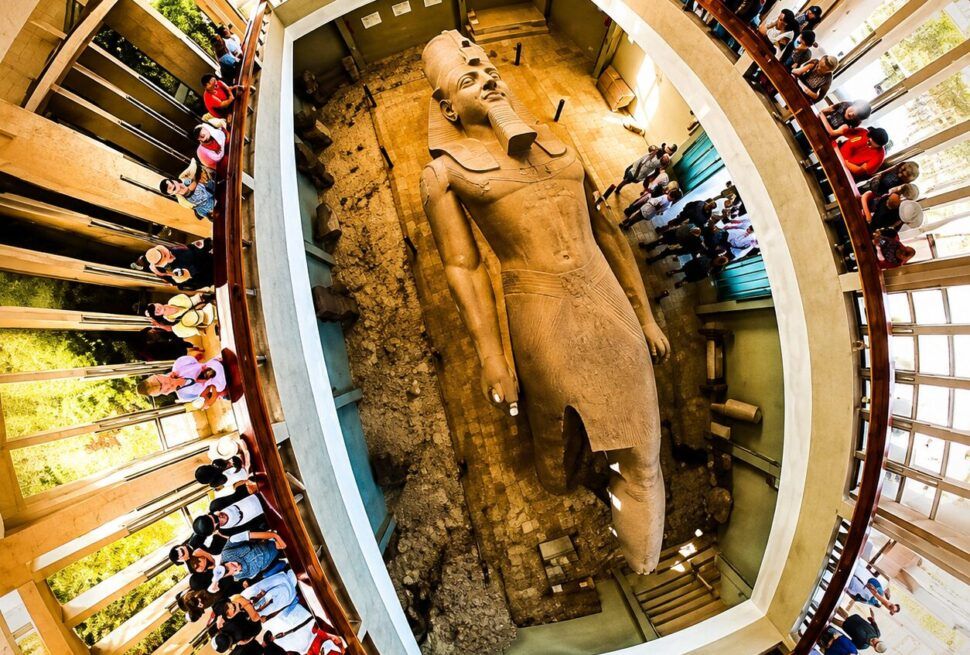
Located near the entrance to the archaeological site, the Imhotep Museum provides an excellent introduction to Saqqara.
Its galleries display:
- Original statues
- Stone vessels
- Relief fragments
- Excavation finds
- Architectural models
- Restoration photographs
The museum helps visitors understand the history of the necropolis before exploring the monuments themselves.
Table 7: Imhotep Museum
| Exhibit | Description |
|---|---|
| Stone Vessels | Early Dynastic artifacts |
| Statues | Kings and officials |
| Models | Pyramid construction |
| Reliefs | Decorative fragments |
| Excavation Finds | Archaeological discoveries |
Noble Tombs
Saqqara is home to hundreds of beautifully decorated mastabas belonging to nobles, priests, scribes, and royal officials.
Many contain remarkably preserved reliefs illustrating:
- Agriculture
- Trade
- Crafts
- Music
- Banquets
- Religious rituals
Unlike royal monuments, these tombs offer a rare glimpse into everyday life in Ancient Egypt.
Table 8: Themes in Noble Tombs
| Theme | Examples |
|---|---|
| Agriculture | Harvesting grain |
| Fishing | Nile scenes |
| Crafts | Carpentry and pottery |
| Family Life | Banquets and celebrations |
| Religion | Offerings and ceremonies |
Suggested Walking Route
A well-planned route helps visitors experience the highlights of Saqqara efficiently.
Recommended order:
- Imhotep Museum
- Step Pyramid of Djoser
- Heb-Sed Courtyard
- Entrance Colonnade
- Pyramid of Unas
- Tomb of Ti
- Mastaba of Mereruka
- Serapeum
This route minimizes walking while allowing plenty of time for exploration and photography.
Table 9: Suggested Walking Route
| Stop | Estimated Time |
|---|---|
| Imhotep Museum | 30 min |
| Step Pyramid | 60–90 min |
| Pyramid of Unas | 30 min |
| Tomb of Ti | 30–45 min |
| Mastaba of Mereruka | 30–45 min |
| Serapeum | 45–60 min |
Why Saqqara Is Unlike Any Other Archaeological Site
Unlike the Giza Plateau, which is dominated by three great pyramids, Saqqara offers extraordinary diversity.
Visitors can explore:
- The world’s first pyramid
- Royal pyramids
- Underground catacombs
- Noble tombs
- Sacred animal burials
- Museums
- Ancient ceremonial courtyards
- Thousands of years of architectural evolution
Each monument reveals another chapter in the story of Ancient Egypt.
Table 10: Why Visit Saqqara?
| Experience | Rating |
|---|---|
| Historical Importance | ⭐⭐⭐⭐⭐ |
| Archaeology | ⭐⭐⭐⭐⭐ |
| Pyramid Architecture | ⭐⭐⭐⭐⭐ |
| Tomb Decoration | ⭐⭐⭐⭐⭐ |
| Photography | ⭐⭐⭐⭐⭐ |
| Educational Value | ⭐⭐⭐⭐⭐ |
Archaeology, Ancient Egyptian Religion & Extraordinary Discoveries
One of the World’s Greatest Archaeological Sites
The Saqqara Necropolis is often described as one of the richest archaeological landscapes on Earth. For more than two centuries, archaeologists have uncovered thousands of artifacts, tombs, statues, mummies, temples, and inscriptions that have transformed our understanding of Ancient Egypt.
Unlike many archaeological sites that belong to a single historical period, Saqqara preserves more than 3,000 years of continuous history. Every excavation reveals new information about royal families, priests, officials, artists, craftsmen, and ordinary Egyptians.
Even today, important discoveries continue to be announced, making Saqqara one of the world’s most active archaeological sites.
Table 1: Archaeological Importance
| Feature | Significance |
|---|---|
| Continuous Use | More than 3,000 years |
| UNESCO Site | Memphis and its Necropolis |
| Historical Periods | Early Dynastic to Greco-Roman |
| Excavations | Ongoing archaeological missions |
| Importance | One of Egypt’s richest archaeological sites |
Ancient Egyptian Burial Customs
The Egyptians believed that death marked the beginning of a new life.
To ensure a successful journey into the afterlife, elaborate burial rituals were performed.
Important elements included:
- Mummification
- Funerary ceremonies
- Food offerings
- Sacred texts
- Protective amulets
- Carefully decorated tombs
Saqqara contains examples of nearly every stage in the evolution of these traditions.
Table 2: Burial Practices
| Practice | Purpose |
|---|---|
| Mummification | Preserve the body |
| Tomb Decoration | Provide eternal comfort |
| Offerings | Nourish the deceased |
| Amulets | Spiritual protection |
| Funeral Rituals | Prepare for the afterlife |
The Pyramid Texts
One of Saqqara’s greatest contributions to history is the discovery of the Pyramid Texts inside the Pyramid of Unas.
These inscriptions, carved directly into the walls of the burial chamber, represent the earliest known collection of religious writings in the world.
The texts contain:
- Prayers
- Hymns
- Protective spells
- Ritual instructions
- Guidance for the king’s journey into the afterlife
Later religious works, including the Coffin Texts and the Book of the Dead, developed from these early inscriptions.
Table 3: Pyramid Texts
| Feature | Information |
|---|---|
| First Appeared | Pyramid of Unas |
| Dynasty | Fifth Dynasty |
| Language | Ancient Egyptian hieroglyphs |
| Purpose | Guide the king in the afterlife |
| Historical Importance | Earliest religious inscriptions |
Sacred Animal Cults
Saqqara also became one of Ancient Egypt’s most important centers for animal worship.
Animals were believed to represent earthly manifestations of certain gods.
Important sacred animals included:
- Apis Bull
- Ibis
- Falcon
- Baboon
- Cat
- Crocodile
Many were mummified after death and buried with great ceremony.
Table 4: Sacred Animals
| Animal | Associated Deity |
|---|---|
| Apis Bull | Ptah / Osiris |
| Ibis | Thoth |
| Falcon | Horus |
| Cat | Bastet |
| Baboon | Thoth |
| Crocodile | Sobek |
The Serapeum and the Apis Bulls
Perhaps the most mysterious monument at Saqqara is the Serapeum, an underground complex dedicated to the sacred Apis Bulls.
Each Apis Bull was treated as a living god during its lifetime.
After death, elaborate funeral ceremonies were performed before the animal was buried inside enormous granite sarcophagi.
These massive stone coffins remain among the most impressive engineering achievements of Ancient Egypt.
Table 5: Serapeum Facts
| Feature | Details |
|---|---|
| Purpose | Burial of Apis Bulls |
| Location | Underground galleries |
| Sarcophagus Material | Granite |
| Weight | Up to 60–70 tons |
| Religious Importance | Worship of Ptah and Osiris |
Recent Archaeological Discoveries
Saqqara continues to produce remarkable discoveries almost every year.
Recent excavations have uncovered:
- Decorated tombs
- Painted wooden coffins
- Hundreds of mummies
- Gilded funerary masks
- Bronze statues
- Ancient workshops
- Burial shafts
- Canopic jars
These finds continue to expand our knowledge of Egyptian civilization and demonstrate that large areas of Saqqara remain unexplored.
Table 6: Recent Discoveries
| Discovery | Importance |
|---|---|
| Painted Coffins | Exceptional preservation |
| Mummies | Burial customs |
| Bronze Statues | Religious practices |
| Burial Shafts | New excavation areas |
| Workshops | Ancient craftsmanship |
Ancient Egyptian Religion at Saqqara
Religion shaped every aspect of life and death in Ancient Egypt.
The monuments of Saqqara illustrate beliefs in:
- Resurrection
- Divine kingship
- Judgment after death
- Eternal life
- The journey to the afterlife
Temples, pyramids, tombs, and ceremonial courtyards all formed part of a carefully planned sacred landscape.
Table 7: Religious Symbols
| Symbol | Meaning |
|---|---|
| Pyramid | Stairway to heaven |
| West | Land of the dead |
| Sun | Rebirth |
| Lotus Flower | Creation |
| Ankh | Eternal life |
| Djed Pillar | Stability |
Restoration and Conservation
Protecting Saqqara requires constant conservation.
Major projects include:
- Stabilizing pyramids
- Reinforcing underground tunnels
- Cleaning decorated reliefs
- Protecting painted tombs
- Digital documentation
- Visitor management
These efforts ensure future generations can continue to explore one of the world’s greatest archaeological treasures.
Table 8: Conservation Projects
| Project | Objective |
|---|---|
| Pyramid Stabilization | Structural safety |
| Tomb Conservation | Preserve artwork |
| Tunnel Reinforcement | Visitor protection |
| Digital Mapping | Long-term documentation |
| Drainage Improvements | Prevent water damage |
Hidden Chambers and Ongoing Research
Despite centuries of exploration, Saqqara still holds many secrets.
Archaeologists continue searching for:
- Undiscovered burial shafts
- Hidden tombs
- Additional Pyramid Texts
- Royal workshops
- Ancient cemeteries
- Lost temples
Modern technologies such as laser scanning, satellite imagery, and ground-penetrating radar are helping researchers investigate areas that were previously inaccessible.
Table 9: Unsolved Mysteries
| Mystery | Current Status |
|---|---|
| Hidden Tombs | New discoveries continue |
| Underground Networks | Still being mapped |
| Lost Monuments | Under investigation |
| Ancient Workshops | Ongoing excavations |
| Royal Burials | Continued research |
Why Archaeologists Love Saqqara
Few places have contributed more to our understanding of Ancient Egypt.
Saqqara has revealed:
- The origins of pyramid construction.
- Evolution of religious beliefs.
- Daily life of nobles and officials.
- Development of monumental architecture.
- Ancient engineering techniques.
- Thousands of remarkable artifacts.
For archaeologists, Saqqara remains one of the most exciting places in the world to study Egypt’s past.
Table 10: Why Saqqara Is Exceptional
| Category | Importance |
|---|---|
| Archaeology | ⭐⭐⭐⭐⭐ |
| History | ⭐⭐⭐⭐⭐ |
| Religion | ⭐⭐⭐⭐⭐ |
| Architecture | ⭐⭐⭐⭐⭐ |
| Ongoing Discoveries | ⭐⭐⭐⭐⭐ |
| Educational Value | ⭐⭐⭐⭐⭐ |
The Legacy of Saqqara
The Saqqara Necropolis is far more than an ancient cemetery—it is a living record of Egyptian civilization.
Its pyramids, tombs, temples, and underground galleries tell the story of how architecture, religion, and royal traditions evolved over thousands of years.
Every monument, inscription, and artifact helps historians piece together the remarkable achievements of one of the world’s oldest civilizations, ensuring that Saqqara remains one of Egypt’s most fascinating destinations for travelers, scholars, and archaeology enthusiasts alike.
Visitor Guide, Travel Tips, FAQs & Everything You Need to Know
Planning Your Visit to Saqqara Necropolis
A visit to the Saqqara Necropolis is one of the most rewarding experiences in Egypt. While the Giza Pyramids showcase the grandeur of the Old Kingdom, Saqqara tells the complete story of how pyramid construction, royal burial traditions, and Ancient Egyptian religion evolved over thousands of years.
Covering a vast desert plateau, Saqqara offers visitors the chance to explore pyramids, beautifully decorated tombs, underground galleries, museums, and archaeological sites at a comfortable pace away from the larger crowds often found at Giza.
Whether you’re passionate about archaeology, photography, architecture, or history, Saqqara deserves a full day on your Egypt itinerary.
Table 1: Visitor Information
| Feature | Details |
|---|---|
| Location | Saqqara, Giza Governorate |
| UNESCO World Heritage Site | Yes |
| Average Visit | 3–5 hours |
| Family Friendly | ⭐⭐⭐⭐⭐ |
| Guided Tours | Highly Recommended |
| Photography | Allowed in many outdoor areas (subject to current regulations) |
Best Time to Visit
Saqqara can be visited throughout the year, but the cooler months offer the most pleasant weather for walking around the large archaeological site.
Best months to visit:
- October
- November
- December
- January
- February
- March
- April
Early mornings provide cooler temperatures, softer light for photography, and fewer visitors.
Table 2: Best Seasons
| Season | Weather | Recommendation |
|---|---|---|
| October–November | Pleasant | ⭐⭐⭐⭐⭐ |
| December–February | Cool | ⭐⭐⭐⭐⭐ |
| March–April | Warm | ⭐⭐⭐⭐☆ |
| May–September | Hot | ⭐⭐⭐☆☆ |
Opening Hours
The Saqqara archaeological site generally follows the operating hours set by the Egyptian authorities.
Opening times may change during public holidays, special events, or conservation work. It’s always a good idea to confirm the latest schedule before your visit.
Arriving early allows you to explore the main monuments before temperatures rise.
Table 3: Suggested Visiting Schedule
| Time | Experience |
|---|---|
| Early Morning | Best weather and fewer crowds |
| Mid-Morning | Excellent sightseeing |
| Afternoon | Warmer temperatures |
| Late Afternoon | Beautiful photography light |
How to Get to Saqqara
Saqqara is located approximately 30 kilometers (19 miles) south of central Cairo.
The easiest ways to reach the site include:
- Private guided tour
- Private driver
- Taxi
- Ride-hailing services
Because attractions are spread across a large area, many visitors prefer a private tour that includes transportation between monuments.
Table 4: Transportation Options
| Option | Comfort | Best For |
|---|---|---|
| Private Tour | ⭐⭐⭐⭐⭐ | First-time visitors |
| Private Driver | ⭐⭐⭐⭐⭐ | Flexible itineraries |
| Taxi | ⭐⭐⭐⭐☆ | Independent travelers |
| Ride-Hailing App | ⭐⭐⭐⭐☆ | Budget-conscious visitors |
Nearby Attractions
Saqqara is ideally located for exploring several of Egypt’s most important archaeological sites.
Popular nearby attractions include:
- Step Pyramid of Djoser
- Pyramid of Unas
- Serapeum of Saqqara
- Tomb of Ti
- Mastaba of Mereruka
- Imhotep Museum
- Memphis Open-Air Museum
- Bent Pyramid
- Red Pyramid
These sites can easily be combined into a memorable full-day excursion.
Table 5: Nearby Attractions
| Attraction | Distance | Suggested Visit Time |
|---|---|---|
| Step Pyramid of Djoser | Within Saqqara | 60–90 min |
| Imhotep Museum | Within Saqqara | 30–45 min |
| Pyramid of Unas | Short walk | 30 min |
| Serapeum | Nearby | 45–60 min |
| Tomb of Ti | Nearby | 30–45 min |
| Memphis Museum | About 6 km | 45–60 min |
| Bent Pyramid | About 10 km | 45 min |
| Red Pyramid | About 10 km | 45 min |
Photography Tips
Saqqara offers some of the best photography opportunities in Egypt.
For stunning images:
- Arrive shortly after opening.
- Use a wide-angle lens for the Step Pyramid.
- Photograph the desert landscape from elevated viewpoints.
- Capture relief carvings inside the tombs where photography is permitted.
- Bring extra batteries, as you’ll likely spend several hours exploring.
Table 6: Best Photography Locations
| Location | Best Time |
|---|---|
| Step Pyramid | Early Morning |
| Heb-Sed Courtyard | Morning |
| Tomb of Ti | Mid-Morning |
| Serapeum Entrance | Afternoon |
| Desert Panorama | Sunset |
Frequently Asked Questions
Is Saqqara worth visiting?
Absolutely. Saqqara is one of Egypt’s most important archaeological sites and offers a deeper understanding of Ancient Egyptian history than almost anywhere else.
How much time should I spend at Saqqara?
Most visitors spend 3–5 hours, while archaeology enthusiasts often dedicate an entire day.
Is Saqqara less crowded than Giza?
Yes. Although popular, Saqqara generally offers a quieter and more relaxed experience than the Giza Plateau.
Can I visit Saqqara and Dahshur on the same day?
Yes. Many private tours combine Saqqara, Memphis, and Dahshur into one full-day itinerary.
Is a guide recommended?
Yes. A licensed Egyptologist guide can explain the significance of the monuments, hieroglyphs, and religious symbolism, greatly enhancing your visit.
Table 7: Quick Answers
| Question | Answer |
|---|---|
| Worth Visiting? | ⭐ Absolutely |
| Family Friendly | Yes |
| Guided Tours | Highly Recommended |
| Average Visit | 3–5 hours |
| Photography | Excellent |
Visitor Checklist
Before your trip, remember to bring:
- Comfortable walking shoes
- Sun hat
- Sunglasses
- Sunscreen
- Camera or smartphone
- Portable charger
- Reusable water bottle
- Light backpack
Table 8: Packing Checklist
| Item | Bring? |
|---|---|
| Comfortable Shoes | ✅ |
| Camera | ✅ |
| Hat | ✅ |
| Sunglasses | ✅ |
| Sunscreen | ✅ |
| Water Bottle | ✅ |
| Portable Charger | ✅ |
| Small Backpack | ✅ |
Suggested One-Day Itinerary
If you’re planning a full-day visit, the following route allows you to experience the highlights of the region efficiently.
Table 9: One-Day Itinerary
| Time | Activity |
|---|---|
| 8:00 AM | Arrive at Saqqara |
| 8:15 AM | Imhotep Museum |
| 9:00 AM | Step Pyramid of Djoser |
| 10:30 AM | Heb-Sed Courtyard & Complex |
| 11:30 AM | Pyramid of Unas |
| 12:15 PM | Tomb of Ti |
| 1:00 PM | Lunch |
| 2:00 PM | Serapeum of Saqqara |
| 3:30 PM | Memphis Open-Air Museum |
| 4:30 PM | Bent & Red Pyramids (Dahshur) |
Table 10: Why Visit Saqqara?
| Experience | Rating |
|---|---|
| Ancient History | ⭐⭐⭐⭐⭐ |
| Archaeology | ⭐⭐⭐⭐⭐ |
| Pyramid Architecture | ⭐⭐⭐⭐⭐ |
| Photography | ⭐⭐⭐⭐⭐ |
| Educational Value | ⭐⭐⭐⭐⭐ |
| Overall Experience | ⭐⭐⭐⭐⭐ |
Final Thoughts
The Saqqara Necropolis is one of the world’s greatest archaeological treasures and a place where visitors can witness the evolution of Ancient Egyptian civilization across thousands of years.
From the revolutionary Step Pyramid of Djoser to beautifully decorated tombs, mysterious underground catacombs, and sacred temples, every corner of Saqqara tells a fascinating story.
Whether you’re visiting Egypt for the first time or returning to explore beyond the Giza Pyramids, Saqqara offers an unforgettable journey into the origins of pyramid building and the remarkable achievements of one of history’s greatest civilizations.
Ready to Explore Saqqara? Book Your Private Tour Today!
The Saqqara Necropolis is where the incredible story of Egypt’s pyramids began. From the Step Pyramid of Djoser and the mysterious Serapeum to beautifully decorated noble tombs and the ancient capital of Memphis, Saqqara offers an unforgettable journey through more than 5,000 years of history.
At Let’s Explore Egypt, we create 100% private, fully customizable tours that let you experience these remarkable sites with the insight of a licensed Egyptologist guide—without rushing or following large tour groups.
Whether you’re visiting Egypt for the first time or returning to explore beyond the Giza Pyramids, we’ll help you make the most of your adventure.
Why Travel with Let’s Explore Egypt?
✔️ 100% Private Tours – No Shared Groups
✔️ Licensed English-Speaking Egyptologist Guides
✔️ Comfortable Air-Conditioned Private Vehicles
✔️ Flexible Pickup from Cairo, Giza, or Cairo Airport
✔️ Personalized Itineraries to Match Your Interests
✔️ No Forced Shopping Stops
✔️ Transparent Pricing with No Hidden Fees
✔️ 24/7 WhatsApp Support Before & During Your Trip
✔️ Trusted by Travelers from Around the World
Our Most Popular Saqqara Experiences
- 🏛️ Saqqara, Memphis & Dahshur Full-Day Tour
- 🔺 Step Pyramid of Djoser Private Tour
- 🐂 Serapeum & Saqqara Archaeological Tour
- 📸 Private Photography Tour of Saqqara
- 🚗 Custom Cairo & Saqqara Day Trips
Plan Your Perfect Egypt Adventure
Combine your visit to Saqqara Necropolis with:
- 🔺 Giza Pyramids & Great Sphinx
- 🏺 Grand Egyptian Museum (GEM)
- 🌴 Memphis Open-Air Museum
- 🔺 Bent Pyramid & Red Pyramid in Dahshur
- 🕌 Old Cairo & Khan El Khalili Bazaar
We’ll help you build the perfect itinerary based on your schedule, interests, and budget.
Contact Let’s Explore Egypt
📱 WhatsApp: +20 120 323 3365
📧 Email: info@lets-explore-egypt.com
🌐 Website: https://lets-explore-egypt.com/
Book your private Saqqara tour today and discover the birthplace of the pyramids with Egypt’s trusted local experts. Your unforgettable journey into Ancient Egypt starts here!
Recommended Egypt Tours


Why You Can Trust Let's Explore Egypt
This article was written and reviewed by the Let's Explore Egypt Editorial Team, a licensed Egyptian tour operator specializing in private Egypt tours, Nile cruises, and tailor-made travel experiences since 2009.
- 🏛 Licensed Egyptian Tour Operator Since 2009
- ⭐ Trusted by Thousands of Travelers Worldwide
- 👨🏫 Written & Reviewed by Local Egypt Travel Experts
- 🚐 Private Tours & Tailor-Made Travel Experiences
- 📞 24/7 Customer Support