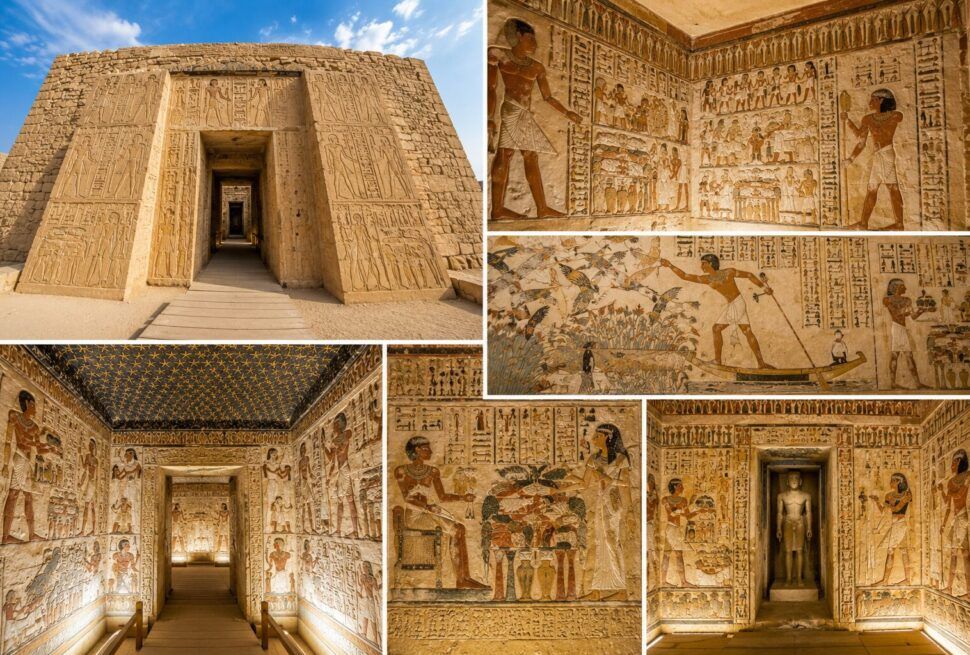


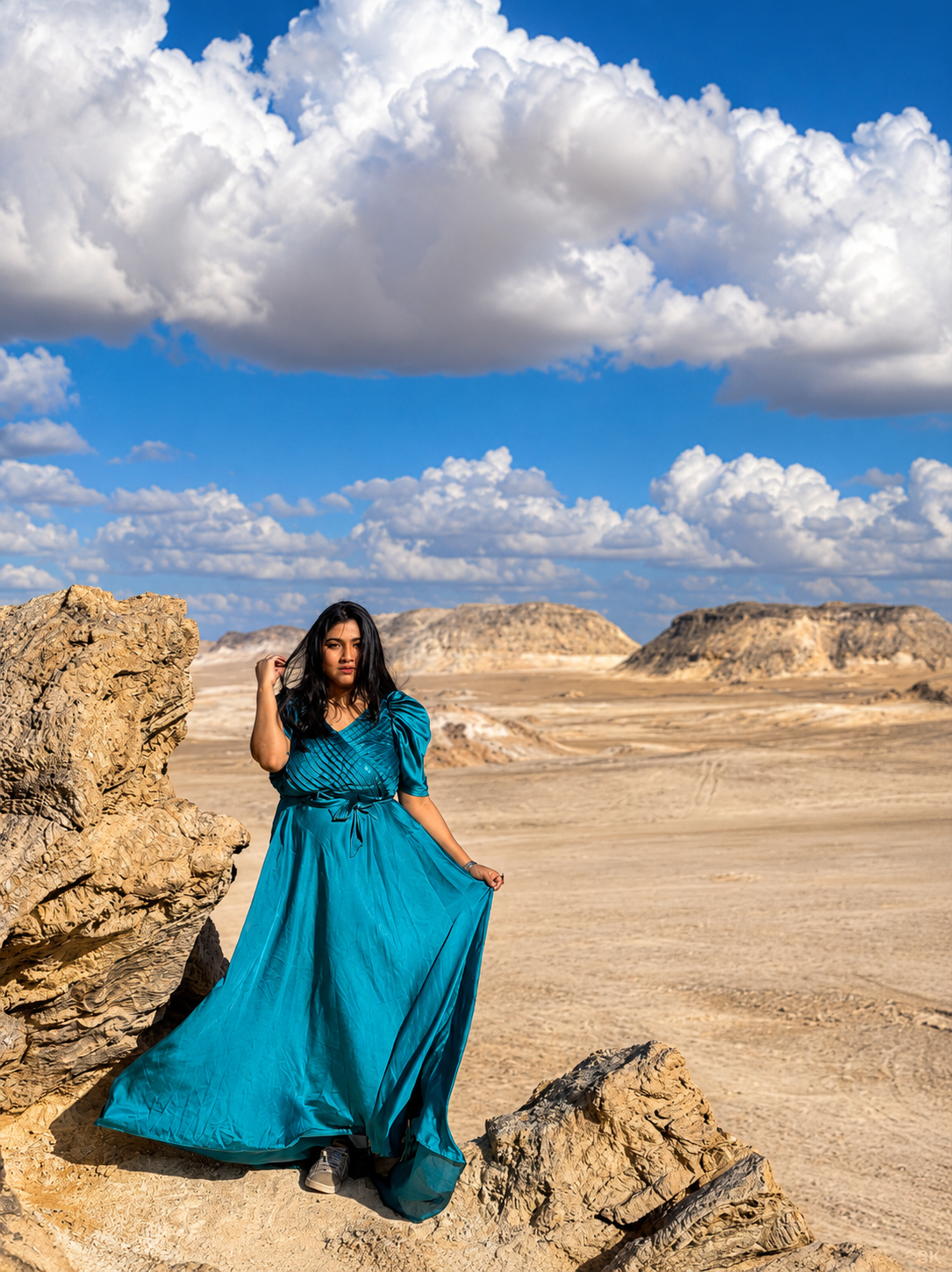
Imagine standing in the middle of a vast desert where towering white rock formations rise from the golden sand like giant sculptures carved by an artist. Some resemble mushrooms, others look like camels, ice cream cones, giant chickens, or even snow-covered mountains. As the sun sets, these chalk formations glow in shades of gold, pink, and orange before transforming into ghostly white figures beneath a sky filled with millions of stars.
Welcome to White Desert National Park, one of Egypt’s most breathtaking natural wonders and one of the most unique desert landscapes on Earth.
Located deep within Egypt’s Western Desert, the White Desert offers an unforgettable adventure that combines dramatic scenery, exciting 4×4 safaris, peaceful camping, incredible stargazing, and geological formations millions of years in the making. Whether you’re an adventure seeker, photographer, nature lover, or first-time visitor to Egypt, the White Desert promises an experience unlike anywhere else in the world.
In this comprehensive travel guide, you’ll discover everything you need to know about visiting White Desert National Park, including how to get there, what to see, the best camping experiences, travel tips, costs, and the perfect itinerary for your desert adventure.
Where Is White Desert National Park?
White Desert National Park (known locally as Sahara El Beyda) is located in Egypt’s vast Western Desert, approximately 500 kilometres southwest of Cairo. It lies between Bahariya Oasis and Farafra Oasis, making it one of the highlights of Egypt’s famous desert safari routes.
The park covers around 3,000 square kilometres of spectacular desert scenery and is considered one of the country’s most important protected natural areas.
Most visitors begin their journey from Cairo, travelling by road to Bahariya Oasis, where they switch to specially equipped 4×4 vehicles to explore the desert. The journey from Cairo to Bahariya takes around 4 to 5 hours, followed by approximately 1.5 to 2 hours of off-road driving into the heart of the White Desert.
Distances
| Destination | Distance |
|---|---|
| Cairo | 500 km |
| Bahariya Oasis | 45 km |
| Farafra Oasis | 110 km |
| Giza | 510 km |
| Alexandria | 720 km |
Because the terrain is entirely off-road, visitors cannot explore the park using ordinary vehicles. A licensed local guide with a 4WD vehicle is essential.
A Brief History of the White Desert
Although the White Desert appears timeless, its story stretches back tens of millions of years.
Around 70 million years ago, this region was covered by a warm tropical sea. The seabed accumulated thick layers of chalk, limestone, coral, shells, and marine fossils.
As geological movements gradually lifted the seabed above sea level, the ancient ocean disappeared, leaving behind enormous chalk deposits.
Over millions of years, relentless winds carrying fine desert sand sculpted the soft chalk into the extraordinary formations seen today. Nature became the artist, patiently carving arches, towers, pillars, mushrooms, and abstract shapes without any human intervention.
The result is one of the most unusual desert landscapes on the planet.
To protect this unique environment, the Egyptian government declared the area a National Protected Area in 2002.
Today, White Desert National Park attracts visitors, photographers, geologists, and adventure travellers from around the world while remaining one of Egypt’s best-preserved natural treasures.
Why Is the White Desert Famous?
The White Desert is unlike any other desert on Earth.
Instead of endless sand dunes, visitors encounter brilliant white chalk formations scattered across an otherwise golden desert. The contrast between the white rocks, blue sky, and yellow sand creates an almost surreal landscape that often resembles another planet.
The area is famous for:
- Giant mushroom-shaped rocks
- Chalk cliffs
- Wind-carved sculptures
- Desert camping under the stars
- Spectacular sunsets
- Crystal-clear night skies
- Incredible astrophotography
- Jeep safaris across untouched landscapes
Many travellers describe the White Desert as one of the highlights of their trip to Egypt, ranking alongside the Pyramids of Giza and the temples of Luxor.
Unlike crowded tourist attractions, the White Desert offers silence, open space, and an authentic connection with nature.
How Was the White Desert Formed?
One of the most fascinating aspects of the White Desert is its geological history.
The white formations are made almost entirely of chalk, a soft sedimentary rock formed from the microscopic remains of marine organisms that lived millions of years ago.
After the ancient sea disappeared, wind became the dominant force shaping the landscape.
Over millions of years, powerful desert winds acted like natural sandblasting machines.
Tiny grains of sand continuously struck the chalk rocks, slowly wearing them away.
Harder sections resisted erosion while softer layers disappeared, producing remarkable natural sculptures.
This process is called wind erosion, and it continues today.
Every year, the desert subtly changes shape as nature continues carving new formations.
Some rocks eventually collapse, while new shapes slowly emerge.
This means that every visit to the White Desert is slightly different from the last.
National Park Status and Conservation
Recognising its exceptional geological and ecological importance, Egypt designated the White Desert as a National Park in 2002.
The protected area helps preserve:
- Rare geological formations
- Desert ecosystems
- Native wildlife
- Ancient fossils
- Fragile chalk structures
- Natural desert landscapes
Visitors are encouraged to practise responsible tourism by avoiding damage to rock formations, taking all rubbish away, respecting wildlife, and leaving the desert exactly as they found it.
The White Desert is not only a tourist destination but also a living geological museum that continues to evolve naturally.
Interesting Facts About White Desert National Park
Here are some fascinating facts that make the White Desert even more remarkable:
- The chalk formations were created over millions of years by wind erosion.
- The region was once completely covered by an ancient sea.
- Marine fossils are still found throughout the area.
- Some rock formations reach heights of more than 20 metres.
- The White Desert is one of Africa’s most famous camping destinations.
- Light pollution is virtually non-existent, making it one of Egypt’s best places for stargazing.
- The landscape has appeared in documentaries, travel programmes, and international photography exhibitions.
- Temperatures can exceed 40°C during summer days but become surprisingly cold after sunset.
- The White Desert changes colour throughout the day, appearing bright white at noon, golden at sunset, and silver beneath the moonlight.
How to Get to White Desert National Park
Reaching the White Desert is part of the adventure.
From Cairo
Most travellers join a private or organised safari from Cairo.
The typical route is:
Cairo → Bahariya Oasis → Black Desert → Crystal Mountain → Agabat Valley → White Desert National Park
The drive from Cairo to Bahariya takes around 4–5 hours on a well-maintained highway. After arriving in Bahariya, visitors transfer to a 4×4 vehicle designed for desert terrain.
From there, the adventure truly begins.
From Bahariya Oasis
Bahariya Oasis serves as the main gateway to the White Desert.
Nearly all desert safaris start here because local drivers know the terrain and carry the equipment needed for safe desert travel.
The drive from Bahariya to the White Desert takes approximately 1.5 to 2 hours, depending on the route and stops along the way.
From Farafra Oasis
Visitors travelling through Egypt’s Western Desert can also reach the White Desert from Farafra Oasis, located about 110 kilometres to the south.
This route is popular for travellers undertaking longer desert expeditions that include Farafra, Dakhla, and Kharga Oases.
The Best Things to See in White Desert National Park
The White Desert National Park is much more than a single attraction. It’s a collection of spectacular natural landmarks spread across hundreds of square kilometres, each with its own unique beauty and geological story.
As your 4×4 vehicle winds through the desert, the landscape constantly changes—from black volcanic hills and sparkling crystal ridges to vast plains filled with surreal white chalk sculptures. Every stop offers a completely different experience, making the journey just as exciting as the destination.
Here are the must-see attractions during your White Desert adventure.
Black Desert
Although it lies just outside the White Desert National Park, the Black Desert is almost always the first stop on a desert safari.
Unlike the brilliant white landscapes that await later, the Black Desert is covered with dark volcanic rocks formed millions of years ago. Ancient volcanic eruptions left behind layers of black basalt that now blanket the hills, creating a dramatic contrast with the surrounding golden sand.
Visitors can climb one of the hills for panoramic views across the Western Desert. From the summit, you can see endless waves of desert stretching towards the horizon.
The Black Desert is especially beautiful during the early morning or late afternoon when the sunlight enhances the contrast between the black stones and the warm-coloured sand.
Crystal Mountain
One of the most unusual natural landmarks in Egypt is Crystal Mountain, a rocky ridge filled with sparkling quartz and calcite crystals.
Rather than being a true mountain, it is an exposed geological formation created by ancient tectonic activity. Over millions of years, erosion uncovered thousands of glittering crystals embedded within the rock.
When sunlight strikes the crystals, they shimmer brilliantly, giving the entire ridge a magical appearance.
Crystal Mountain is a favourite stop for photographers because every angle reflects light differently throughout the day.
Visitors should admire the crystals without removing them, helping preserve this fragile natural wonder for future generations.
Agabat Valley
Many experienced travellers consider Agabat Valley to be the most beautiful landscape in Egypt’s Western Desert.
Here, towering white cliffs rise above rolling golden sand dunes, creating one of the country’s most spectacular natural panoramas.
The valley feels completely untouched by modern civilisation. There are no roads, buildings, or crowds—only silence, wind, and breathtaking scenery.
The area is perfect for:
- Walking among the dunes
- Landscape photography
- Watching the changing light
- Enjoying the peaceful desert atmosphere
During sunset, the white cliffs glow in shades of orange and pink, creating unforgettable photographic opportunities.
Mushroom Rock
Perhaps the most famous landmark in the White Desert is Mushroom Rock.
This enormous natural sculpture resembles a giant mushroom with a broad cap balanced on a narrow stem.
Its unusual shape is the result of differential erosion. Wind carrying sand gradually eroded the softer lower layers of chalk faster than the harder upper layers, producing the iconic mushroom shape seen today.
Mushroom Rock has become one of the symbols of Egypt’s White Desert and is one of the most photographed locations in the park.
Chicken Rock
Another famous formation is Chicken Rock, named because its silhouette closely resembles a giant chicken standing proudly in the desert.
Like all formations in the White Desert, no human carved it. Nature shaped it over millions of years through the constant action of wind and sand.
Visitors often enjoy spotting other shapes hidden among the rocks, turning the experience into a natural treasure hunt.
Camel Rock

Camel Rock is another favourite stop.
Viewed from the correct angle, the formation looks remarkably similar to a resting camel, complete with a long neck and distinctive hump.
The shape changes depending on where you stand, making it one of the park’s most entertaining geological formations.
Many visitors enjoy comparing photos to see which angle creates the most convincing resemblance.
Ice Cream Cone Rock
One of the White Desert’s more playful formations resembles an enormous ice cream cone.
Its pointed lower section supports a rounded top, making it easy to understand how it earned its nickname.
Children and photographers especially enjoy this stop, where imagination becomes part of the adventure.
Endless White Chalk Formations
The greatest attraction of the White Desert is not one individual rock but the extraordinary landscape itself.
As you travel deeper into the park, hundreds of chalk formations appear across the desert floor.
Some resemble:
- Giant rabbits
- Camels
- Eagles
- Towers
- Icebergs
- Sphinxes
- Mushrooms
- Giant flowers
- Castles
Every traveller sees something different.
This constantly changing landscape encourages visitors to slow down, explore, and use their imagination.
No two formations are exactly alike.
Sand Dunes of the White Desert
Between the chalk formations lie beautiful stretches of soft golden sand.
The contrast between brilliant white rocks and golden dunes creates one of Egypt’s most striking natural landscapes.
These dunes are ideal for:
- Walking barefoot
- Sandboarding (where conditions permit)
- Landscape photography
- Sunset viewing
- Drone photography (where permitted by regulations)
The gentle curves of the dunes add depth and texture to photographs throughout the day.
Fossils and Ancient Seabed
One fascinating aspect of the White Desert is the evidence of its ancient marine past.
Careful observers may notice fossilised shells and marine sediments embedded within some chalk formations.
These fossils remind visitors that this dry desert was once the floor of a warm tropical sea millions of years ago.
They provide valuable insight into Earth’s geological history and make the White Desert an important destination for scientists as well as travellers.
Best Photography Locations
The White Desert is one of the finest photography destinations in the Middle East.
Some of the best locations include:
| Location | Best Time |
|---|---|
| Mushroom Rock | Sunrise & Sunset |
| Crystal Mountain | Morning |
| Agabat Valley | Late Afternoon |
| White Chalk Formations | Golden Hour |
| Black Desert | Early Morning |
| Sand Dunes | Sunset |
| Campsite Area | Blue Hour & Night |
The changing sunlight transforms the landscape throughout the day, ensuring every visit produces unique images.
Exploring by 4×4
Unlike many national parks, exploring the White Desert is an adventure in itself.
Experienced local drivers navigate across open desert without marked roads, crossing dunes, rocky plains, and hidden valleys.
Along the journey, your guide will stop at scenic viewpoints, explain the geological history of the area, and help you discover formations that visitors might otherwise overlook.
Travelling by 4×4 allows access to remote locations that remain untouched and rarely visited, making every safari feel exclusive.
Camping Under the Stars, Stargazing & Desert Adventures
The White Desert Camping Experience
For many travellers, spending a night in the White Desert is the highlight of their entire trip to Egypt. While the country’s ancient temples and pyramids showcase thousands of years of human history, the White Desert offers something completely different—an opportunity to disconnect from modern life and immerse yourself in one of the world’s most extraordinary natural landscapes.
As the last day visitors leave, silence settles over the desert. The chalk formations glow softly in the fading light, and the only sounds are the gentle breeze and the occasional crackle of the campfire. It is an experience that feels both peaceful and timeless.
Most overnight tours include camping equipment, sleeping bags, mattresses, blankets, dinner, breakfast, bottled water, and transportation by 4×4 vehicle. Camps are usually set up in sheltered areas among the white rock formations, creating an unforgettable setting for the night.
What Happens During a Typical Camping Trip?
A standard overnight safari follows a relaxed pace, allowing you to enjoy each stage of the journey.
Afternoon Arrival
After exploring the Black Desert, Crystal Mountain, Agabat Valley, and other highlights, you’ll arrive at the White Desert in the late afternoon. This is often the perfect time to walk among the famous chalk formations while the light is soft and golden.
Sunset
As the sun sinks below the horizon, the landscape transforms dramatically. The brilliant white rocks take on shades of gold, orange, pink, and lavender before gradually fading into silver under the evening sky.
Watching the sunset from the White Desert is one of Egypt’s most unforgettable natural experiences.
Camp Setup
While you explore or relax, your guides prepare the campsite. Traditional tents are pitched, a campfire is lit, and dinner is cooked using simple but delicious local ingredients.
Many guides serve grilled chicken, rice, vegetables, fresh salads, bread, seasonal fruit, and hot tea. Meals may vary depending on the tour operator, but they are typically hearty and satisfying after a day in the desert.
Evening Around the Campfire
As darkness falls, guests gather around the fire to enjoy tea, conversation, and the peaceful atmosphere. Without city lights or traffic, the desert becomes incredibly quiet.
Many travellers say this is their favourite part of the trip—not because of any specific attraction, but because of the sense of calm that the desert provides.
Stargazing in the White Desert
The White Desert is one of the best places in Egypt for stargazing.
Because the area is far from major cities, there is almost no light pollution. On a clear night, thousands of stars become visible, and the Milky Way stretches across the sky like a luminous ribbon.
Depending on the season, you may also see:
- The Milky Way
- Orion
- Scorpius
- Cassiopeia
- The Summer Triangle
- Bright planets such as Venus, Jupiter, or Saturn
Even visitors with little interest in astronomy are often amazed by the clarity of the night sky.
During meteor showers, the White Desert becomes an exceptional place to watch shooting stars.
Sunrise in the White Desert
Waking up before sunrise is highly recommended.
As dawn approaches, the first rays of sunlight gradually illuminate the white chalk formations. Colours change minute by minute, from cool blue and grey to warm gold and brilliant white.
The early morning also offers cooler temperatures, calm winds, and excellent conditions for photography.
Many visitors enjoy taking a short walk around the campsite before breakfast to experience the tranquillity of the desert at first light.
Wildlife in White Desert National Park
Although the White Desert appears barren, it supports a surprising variety of wildlife that has adapted to the harsh desert environment.
Some of the animals found in the region include:
- Fennec foxes
- Desert foxes
- Dorcas gazelles
- Jerboas
- Desert hares
- Lizards
- Geckos
- Scorpions
- Beetles
- Various migratory birds during certain seasons
Most larger animals are shy and active after dark, so sightings are relatively uncommon. However, guides are often able to point out tracks and signs of wildlife during the journey.
Visitors should never feed or disturb wild animals, helping to preserve the park’s delicate ecosystem.
Jeep Safari Adventure
Travelling through the White Desert by 4×4 is an adventure in itself.
Unlike conventional roads, desert routes follow natural terrain, winding between dunes, rocky plateaus, and chalk formations.
Experienced local drivers know the safest and most scenic routes, allowing visitors to explore remote areas that would otherwise be inaccessible.
The journey includes:
- Crossing rolling sand dunes
- Navigating rocky desert tracks
- Visiting hidden viewpoints
- Stopping for photographs
- Exploring remote formations
The constantly changing landscape means that every drive offers something new.
Sandboarding on the Dunes
In areas where the dunes are suitable, many tours offer the chance to try sandboarding.
Similar to snowboarding, sandboarding involves sliding down smooth sand dunes on a specially designed board.
No previous experience is necessary, making it a fun activity for families, couples, and solo travellers alike.
Although the dunes in the White Desert are generally smaller than those found elsewhere in Egypt’s Western Desert, they still provide plenty of excitement for beginners.
Photography Tips for the White Desert
The White Desert is a dream destination for photographers.
Whether you’re using a smartphone or a professional camera, you’ll find countless opportunities to capture extraordinary images.
Best Times to Photograph
| Time | Why It’s Ideal |
|---|---|
| Sunrise | Soft light and cool colours |
| Early Morning | Clear skies and fewer shadows |
| Late Afternoon | Warm golden tones |
| Sunset | Dramatic colours and long shadows |
| Blue Hour | Peaceful atmosphere |
| Night | Milky Way and star photography |
Photography Suggestions
- Include people in your photos to show the scale of the rock formations.
- Use wide-angle lenses to capture the vast landscapes.
- Photograph the same formation from different angles—it may resemble a completely different shape.
- Experiment with silhouettes during sunset.
- Use a tripod for night photography.
Drone photography may be restricted in Egypt, so always check current regulations and obtain any necessary permissions before flying.
Desert Silence
One of the White Desert’s greatest attractions cannot be photographed.
Silence.
Far from cities, highways, and modern distractions, the White Desert offers a rare opportunity to experience complete stillness.
Many visitors find this deeply relaxing. Sitting quietly among the white formations while watching the stars or listening to the wind creates memories that last long after the journey ends.
It is one of the reasons travellers often describe the White Desert as one of Egypt’s most magical destinations.
Responsible Camping
The White Desert is a protected national park, and preserving its natural beauty is essential.
Responsible visitors should:
- Leave no rubbish behind.
- Avoid climbing on fragile rock formations.
- Respect wildlife and plants.
- Stay with experienced guides.
- Avoid removing rocks, fossils, or crystals.
- Keep campfires in designated areas prepared by guides.
By following these simple principles, visitors help ensure that future generations can enjoy the same remarkable landscape.
Why an Overnight Stay Is Worth It
Some travellers consider a day trip to the White Desert, but staying overnight offers a much richer experience.
An overnight tour allows you to:
- Watch both sunset and sunrise.
- Enjoy spectacular stargazing.
- Experience the peace of the desert after dark.
- Sleep surrounded by unique chalk formations.
- Capture photographs in changing light throughout the day.
- Escape the crowds and appreciate the true atmosphere of the national park.
For most visitors, the overnight camping experience becomes the most memorable part of their journey through Egypt’s Western Desert.
Best Time to Visit, What to Pack, Costs & Sample Itineraries
Best Time to Visit White Desert National Park
One of the advantages of visiting the White Desert is that it can be explored throughout the year. However, the experience varies significantly depending on the season.
For most travellers, the ideal months are October to April, when daytime temperatures are pleasant and evenings are cool enough to enjoy camping comfortably.
Autumn (September – November)
Autumn marks the beginning of the desert travel season. Temperatures become much more comfortable after the intense summer heat, making it an excellent time for hiking, photography, and overnight camping.
Average temperatures:
- Day: 25–33°C
- Night: 15–20°C
Winter (December – February)
Winter is considered the best time to visit the White Desert.
The weather is mild during the day, while nights can become surprisingly cold. Visitors should pack warm clothing for camping, especially in January.
Average temperatures:
- Day: 18–25°C
- Night: 5–10°C
Spring (March – April)
Spring offers warm weather and blooming oasis landscapes around Bahariya. Desert conditions remain excellent, although occasional Khamsin winds may bring sandstorms.
Average temperatures:
- Day: 25–32°C
- Night: 14–20°C
Summer (May – August)
Summer temperatures regularly exceed 40°C, making daytime exploration challenging.
While experienced travellers still visit during this period, most tourists prefer cooler months.
Average temperatures:
- Day: 38–45°C
- Night: 22–28°C
Monthly Weather Guide
| Month | Day Temperature | Night Temperature | Recommendation |
|---|---|---|---|
| January | 20°C | 6°C | Excellent |
| February | 22°C | 8°C | Excellent |
| March | 27°C | 12°C | Excellent |
| April | 31°C | 16°C | Very Good |
| May | 36°C | 21°C | Good |
| June | 40°C | 24°C | Hot |
| July | 42°C | 26°C | Very Hot |
| August | 41°C | 25°C | Very Hot |
| September | 36°C | 22°C | Good |
| October | 31°C | 18°C | Excellent |
| November | 26°C | 13°C | Excellent |
| December | 21°C | 8°C | Excellent |
What to Pack
Packing correctly can make your White Desert adventure much more comfortable.
Clothing
- Lightweight breathable clothing
- Long-sleeved shirts for sun protection
- Comfortable hiking trousers
- Warm fleece or jacket for evenings
- Hat with a wide brim
- Sunglasses
- Comfortable walking shoes or hiking boots
- Extra socks
Essentials
- Sunscreen (SPF 50+)
- Lip balm
- Reusable water bottle
- Personal medications
- Wet wipes
- Hand sanitiser
- Camera
- Portable charger
- Flashlight or headlamp
For Photography
- DSLR or mirrorless camera
- Wide-angle lens
- Tripod
- Extra batteries
- Memory cards
- Lens cleaning cloth
Is the White Desert Safe?
Yes. The White Desert is generally considered one of Egypt’s safest adventure destinations when visited with a licensed tour operator.
Professional guides know the desert routes, monitor weather conditions, and carry communication equipment and emergency supplies.
For your safety:
- Never drive into the desert without an experienced guide.
- Carry plenty of drinking water.
- Wear sun protection.
- Stay with your group.
- Follow your guide’s instructions.
- Avoid climbing unstable rock formations.
Can You Visit Independently?
Technically, reaching Bahariya Oasis is straightforward by road, but exploring the White Desert independently is not recommended.
There are:
- No signposted roads inside the protected area.
- Limited mobile phone coverage.
- No fuel stations.
- No shops or restaurants.
- No accommodation inside the national park.
A local guide with a properly equipped 4×4 vehicle is essential for both safety and environmental protection.
White Desert Tours from Cairo
Most visitors book a private or small-group tour departing from Cairo.
Typical tour options include:
Day Trip (Not Recommended)
Although possible, a day trip involves many hours of driving and very little time inside the park. It also misses the unforgettable sunset, sunrise, and camping experience.
2-Day White Desert Safari
This is the most popular option.
It includes:
- Hotel pickup in Cairo
- Private transportation to Bahariya Oasis
- 4×4 desert safari
- Black Desert
- Crystal Mountain
- Agabat Valley
- White Desert National Park
- Overnight camping
- Dinner and breakfast
- Return to Cairo
3-Day Safari
Ideal for travellers wanting a slower pace.
Additional stops often include:
- Bahariya Oasis attractions
- Hot springs
- Salt Lake
- English Mountain
- Palm groves
- More time exploring the White Desert
Sample 2-Day Itinerary
Day 1
| Time | Activity |
|---|---|
| 07:00 | Depart Cairo |
| 11:30 | Arrive in Bahariya Oasis |
| 12:30 | Lunch |
| 13:30 | Begin 4×4 safari |
| 14:00 | Black Desert |
| 15:00 | Crystal Mountain |
| 16:00 | Agabat Valley |
| 17:30 | White Desert exploration |
| Sunset | Photography |
| Evening | Campfire dinner & camping |
Day 2
| Time | Activity |
|---|---|
| Sunrise | Morning photography |
| 08:00 | Breakfast |
| 09:00 | Continue exploring |
| 11:00 | Return to Bahariya |
| 12:30 | Lunch |
| Afternoon | Drive back to Cairo |
| Evening | Hotel drop-off |
Related Tours:
2-Day White Desert & Black Desert Safari
Sample 3-Day Itinerary
Day 1
- Cairo
- Bahariya Oasis
- Hot Springs
- Palm Groves
- Overnight in Bahariya
Day 2
- Black Desert
- Crystal Mountain
- Agabat Valley
- White Desert
- Camping
Day 3
- Sunrise
- More exploration
- Return to Cairo
This itinerary provides more opportunities for photography and a more relaxed pace.
Related Tours:
3 Days Bahariya & White Desert Adventure
Cairo City Break & Bahariya Oasis – 3 Days / 2 Nights
Entrance Fees
Entrance fees to protected areas in Egypt are subject to change. Your tour operator will normally advise you of the current rates, and many organised tours include them in the overall package.
Always check what is included before booking, as some tours also cover camping equipment, meals, transportation, and guide services.
Typical Tour Inclusions
A quality White Desert safari usually includes:
- Hotel pickup and drop-off
- Air-conditioned transport to Bahariya Oasis
- 4×4 desert vehicle
- Experienced local guide
- National park visit
- Camping equipment
- Sleeping bags and mattresses
- Dinner
- Breakfast
- Bottled water
- Tea and snacks
Some premium tours may also include lunch in Bahariya Oasis and private camping setups.
Responsible Tourism Tips
The White Desert is one of Egypt’s most fragile natural environments.
Help protect it by following these simple guidelines:
- Take all litter back with you.
- Do not carve names into rocks.
- Leave fossils and crystals where they are found.
- Respect wildlife.
- Keep noise levels low.
- Support local guides and communities.
- Choose tour operators committed to sustainable tourism.
Responsible travel helps preserve this unique landscape for future generations.
Practical Travel Tips
- Start your journey early to avoid Cairo traffic.
- Wear layers, as temperatures can change quickly between day and night.
- Keep your camera easily accessible—you’ll want to stop frequently for photos.
- Bring cash for small purchases in Bahariya Oasis.
- Download offline maps before leaving Cairo, although you should rely on your guide once inside the desert.
- Stay hydrated throughout the trip, even during cooler months.
Frequently Asked Questions About White Desert National Park
1. Where is White Desert National Park?
White Desert National Park is located in Egypt’s Western Desert, approximately 500 km southwest of Cairo, between Bahariya Oasis and Farafra Oasis.
2. Why is the White Desert famous?
The park is famous for its spectacular white chalk rock formations sculpted by wind over millions of years. The landscape resembles another planet and is considered one of Egypt’s most extraordinary natural attractions.
3. How far is the White Desert from Cairo?
The journey from Cairo to Bahariya Oasis takes around 4–5 hours, followed by approximately 2 hours in a 4×4 vehicle to reach the White Desert.
4. Do I need a 4×4 vehicle?
Yes. Ordinary cars cannot drive inside the White Desert National Park. Desert exploration requires a properly equipped 4×4 vehicle driven by an experienced local guide.
5. Can I visit without a guide?
It is strongly recommended to visit with a licensed guide. There are no marked roads inside the desert, limited mobile coverage, and changing terrain that requires local knowledge.
6. Is camping in the White Desert safe?
Yes. Camping is generally very safe when arranged through a reputable tour operator. Professional guides provide camping equipment, prepare meals, and choose suitable camping locations.
7. What is the best time to visit?
The best months are October through April, when daytime temperatures are pleasant and nights are cool, making camping much more comfortable.
8. Can children visit the White Desert?
Yes. Families frequently visit the White Desert. Children often enjoy the unusual rock formations and the excitement of travelling through the desert by 4×4.
9. Is one day enough?
A day trip is possible, but an overnight stay is highly recommended. Camping allows you to experience both sunset and sunrise, as well as incredible stargazing.
10. What should I wear?
Wear lightweight, breathable clothing during the day, comfortable walking shoes, sunglasses, and a hat. Bring a warm jacket or fleece for the cool desert evenings.
11. What wildlife can I see?
Although sightings are not guaranteed, wildlife may include:
- Fennec foxes
- Desert foxes
- Dorcas gazelles
- Jerboas
- Lizards
- Geckos
- Desert birds
12. Are there hotels inside the White Desert?
No. There are no hotels inside the national park. Visitors either camp overnight or stay in hotels or eco-lodges in Bahariya Oasis.
13. Are toilets available?
There are no permanent facilities inside the park. Most tours provide comfort stops before entering the protected area, and experienced guides explain appropriate practices while camping.
14. Can I fly a drone?
Drone use in Egypt is subject to regulations and may require prior approval. Always check the latest rules before bringing or operating a drone.
15. Is mobile phone coverage available?
Coverage is generally available in Bahariya Oasis but becomes unreliable or unavailable inside much of the White Desert.
16. Is the White Desert suitable for photographers?
Absolutely. It is one of Egypt’s best destinations for landscape photography, astrophotography, sunrise, sunset, and Milky Way photography.
17. Can I combine the White Desert with Bahariya Oasis?
Yes. Nearly every White Desert tour includes Bahariya Oasis, making them perfect destinations to explore together.
18. How long should I stay?
A 2-day/1-night safari is ideal for most visitors. Those with more time may prefer a 3-day/2-night itinerary for a more relaxed experience.
19. Is the White Desert worth visiting?
Without question. Many travellers consider it one of Egypt’s most unforgettable destinations because of its extraordinary scenery, peaceful atmosphere, and unique camping experience.
20. What should I not miss?
Don’t miss:
- Black Desert
- Crystal Mountain
- Agabat Valley
- Mushroom Rock
- Sunset in the White Desert
- Stargazing
- Sunrise over the chalk formations
- Overnight camping
Final Travel Tips
To make the most of your adventure:
- Book with an experienced local operator that uses licensed guides and well-maintained 4×4 vehicles.
- Spend at least one night camping to experience the desert after sunset.
- Travel during October to April for the most comfortable weather.
- Bring a camera with plenty of storage and spare batteries.
- Pack warm clothing, even if travelling in winter sunshine.
- Drink plenty of water throughout the trip.
- Respect the protected environment by leaving no trace.
The White Desert is one of those places where the journey is just as memorable as the destination. Slow down, enjoy the silence, and take time to appreciate one of the world’s most remarkable natural landscapes.
Why Book a White Desert Tour with Let’s Explore Egypt?
At Let’s Explore Egypt, we specialise in private and customised desert adventures designed to provide a safe, comfortable, and unforgettable experience.
Our White Desert Tours Include
- Private or small-group safaris
- Modern air-conditioned transport from Cairo
- Experienced desert drivers
- Comfortable 4×4 vehicles
- Professional local guides
- Carefully selected camping locations
- Freshly prepared meals
- Flexible itineraries
- No hidden costs
- Personalised service from start to finish
Whether you’re planning a quick overnight escape or a longer Western Desert expedition, our team will help you create the perfect itinerary.
Related Travel Guides
Continue planning your Egyptian adventure with our other detailed destination guides:
- Bahariya Oasis Travel Guide
- Siwa Oasis Travel Guide
- Fayoum Travel Guide
- Cairo Travel Guide
- Saqqara Travel Guide
- Dahshur Travel Guide
- Memphis Travel Guide
- Egypt Desert Safari Guide
- Egypt Travel Guide
These guides provide practical advice, itinerary ideas, and travel tips to help you explore more of Egypt with confidence.
Ready to Explore Egypt’s White Desert?
From surreal chalk formations and spectacular sunsets to peaceful camping beneath a sky full of stars, the White Desert offers an adventure unlike anywhere else in the world.
Whether you’re visiting Egypt for the first time or returning to discover its hidden natural treasures, a journey into the White Desert will leave you with memories that last a lifetime.
Contact Let’s Explore Egypt today to plan your private White Desert safari and experience one of the most extraordinary landscapes on Earth.
WhatsApp: +20 120 323 3365
Recommended Egypt Tours
Why You Can Trust Let's Explore Egypt
This article was written and reviewed by the Let's Explore Egypt Editorial Team, a licensed Egyptian tour operator specializing in private Egypt tours, Nile cruises, and tailor-made travel experiences since 2009.
- 🏛 Licensed Egyptian Tour Operator Since 2009
- ⭐ Trusted by Thousands of Travelers Worldwide
- 👨🏫 Written & Reviewed by Local Egypt Travel Experts
- 🚐 Private Tours & Tailor-Made Travel Experiences
- 📞 24/7 Customer Support