

History, Royal Women & Ancient Egyptian Architecture
Welcome to the Queens’ Pyramids of Giza
When most visitors arrive at the Giza Plateau, their attention is immediately drawn to the three great pyramids of Khufu, Khafre, and Menkaure. However, surrounding these world-famous monuments are several smaller yet equally fascinating structures known as the Queens’ Pyramids of Giza.
These elegant pyramids were built for royal women of Egypt’s Fourth Dynasty and formed an essential part of the pharaohs’ funerary complexes. Although much smaller than the kings’ pyramids, they played an important religious and ceremonial role in ancient Egyptian beliefs about the afterlife.
Today, the Queens’ Pyramids provide archaeologists with valuable information about royal families, burial traditions, architecture, and daily life more than 4,500 years ago. They also offer visitors a quieter and often overlooked area of the Giza Necropolis, where the history of Egypt’s royal women comes to life.
Whether you are passionate about archaeology, ancient history, or simply wish to explore beyond the famous pyramids, the Queens’ Pyramids are well worth adding to your itinerary.
What Are the Queens’ Pyramids?
The term Queens’ Pyramids refers to a group of smaller pyramids built beside the three main pyramids at Giza.
They were constructed for queens, royal mothers, princesses, and sometimes other important female members of the royal family.
Unlike the massive pyramids built for pharaohs, these monuments were designed on a smaller scale while still reflecting the same architectural principles.
Most were originally covered with polished white limestone casing stones and were connected to surrounding temples and burial structures.
Table 1: Queens’ Pyramids at a Glance
| Feature | Details |
|---|---|
| Name | Queens’ Pyramids of Giza |
| Location | Giza Plateau, Cairo, Egypt |
| Built During | Fourth Dynasty (c. 2600–2500 BCE) |
| Purpose | Royal burials for queens and royal women |
| Main Materials | Limestone with granite elements |
| Number of Major Queen’s Pyramids | Approximately 9 |
| UNESCO Status | Part of the Giza Necropolis World Heritage Site |
Why Were They Built?
Ancient Egyptians believed that members of the royal family also deserved elaborate burial monuments to ensure eternal life.
Queens were not merely wives of the king—they often played powerful political and religious roles.
Many held important titles such as:
- King’s Wife
- Great Royal Wife
- King’s Mother
- Daughter of the King
- Priestess of Hathor
Building pyramids beside the pharaoh symbolized their close relationship with the king and their continued role in the afterlife.
These monuments formed part of carefully planned funerary complexes where priests performed rituals and offerings long after the queen’s death.
Table 2: Purpose of the Queens’ Pyramids
| Purpose | Explanation |
|---|---|
| Royal Burial | Final resting place of queens and royal women |
| Religious Significance | Supported beliefs in resurrection and eternal life |
| Family Connection | Located close to the king’s pyramid |
| Ceremonial Role | Part of larger funerary complexes |
| Royal Prestige | Demonstrated the status of the queen |
The Queens of the Fourth Dynasty
Although archaeologists continue debating the ownership of some pyramids, several queens have been confidently associated with the Giza Plateau.
Among the most famous are:
Queen Hetepheres I
Mother of Pharaoh Khufu and one of the most influential royal women of Ancient Egypt.
Her magnificent tomb contained beautifully preserved furniture, jewelry, and ceremonial objects.
Queen Meritites I
Believed to have been one of Khufu’s principal wives.
Several monuments discovered near the Great Pyramid are associated with her.
Queen Henutsen
Thought to have been another wife of Khufu.
One of the small pyramids beside the Great Pyramid is traditionally attributed to her.
Queen Khamerernebty II
Associated with Pharaoh Menkaure and famous for statues showing the royal couple together.
Table 3: Famous Queens Associated with Giza
| Queen | Relationship | Associated Monument |
|---|---|---|
| Hetepheres I | Mother of Khufu | Royal Tomb & Eastern Cemetery |
| Meritites I | Wife of Khufu | Queen’s Pyramid (traditionally attributed) |
| Henutsen | Wife of Khufu | Queen’s Pyramid (traditionally attributed) |
| Khamerernebty II | Wife of Menkaure | Valley Temple Statues |
The Three Queens’ Pyramids Beside the Great Pyramid
East of the Great Pyramid stand three of the best-known Queens’ Pyramids.
Modern Egyptologists usually identify them as:
- G1-a
- G1-b
- G1-c
Although scholars continue to debate their exact ownership, these pyramids are widely believed to have belonged to queens or other close female relatives of Pharaoh Khufu.
Each originally had its own small mortuary chapel where offerings and rituals were performed.
Table 4: Queens’ Pyramids Near Khufu
| Pyramid | Traditional Attribution | Approximate Height |
|---|---|---|
| G1-a | Meritites I (traditional attribution) | Approximately 30 m |
| G1-b | Possibly another royal consort | Approximately 30 m |
| G1-c | Henutsen (traditional attribution) | Approximately 30 m |
Architecture of the Queens’ Pyramids
Although significantly smaller than the king’s pyramid, the Queens’ Pyramids followed many of the same architectural principles.
Common features include:
- Square base.
- Limestone core.
- Smooth casing stones.
- Underground burial chamber.
- Entrance on the northern side.
- Small offering chapel.
These monuments demonstrate that even smaller royal pyramids were carefully planned using advanced engineering techniques.
Table 5: Architectural Features
| Feature | Description |
|---|---|
| Shape | Square pyramid |
| Core Material | Limestone |
| Original Exterior | White polished limestone |
| Burial Chamber | Underground |
| Entrance | North side |
| Chapel | Attached to eastern side |
Construction Techniques
Ancient builders used many of the same methods employed for the larger pyramids.
These included:
- Quarrying limestone locally.
- Transporting stone blocks on sledges.
- Carefully leveling foundations.
- Precisely aligning the structures with the cardinal directions.
Although smaller, these pyramids demonstrate exceptional craftsmanship.
Table 6: Construction Facts
| Feature | Details |
|---|---|
| Main Material | Limestone |
| Foundation | Natural bedrock |
| Construction Period | Fourth Dynasty |
| Alignment | Cardinal directions |
| Estimated Workforce | Skilled craftsmen and laborers |
Life of a Royal Queen in Ancient Egypt
Queens were among the most powerful women in the ancient world.
Their responsibilities often included:
- Participating in religious ceremonies.
- Supporting the king politically.
- Raising future rulers.
- Managing royal estates.
- Serving as priestesses.
Many queens possessed significant wealth and influence, reflected in the elaborate monuments built in their honor.
Table 7: Titles Held by Royal Queens
| Title | Meaning |
|---|---|
| Great Royal Wife | Principal wife of the pharaoh |
| King’s Mother | Mother of the reigning king |
| King’s Daughter | Royal princess |
| Priestess of Hathor | Religious office |
| Mistress of Upper and Lower Egypt | Honorary royal title |
Amazing Facts About the Queens’ Pyramids
Many visitors overlook these remarkable monuments, yet they preserve fascinating stories about Egypt’s royal women.
Interesting facts include:
- Some queens’ pyramids were once covered with brilliant white limestone.
- Their burial chambers were located underground.
- Several royal family cemeteries surround the pyramids.
- Important archaeological discoveries continue today.
- These monuments provide insight into the lives of royal women rarely recorded in ancient texts.
Table 8: Fascinating Facts
| Fact | Details |
|---|---|
| Oldest Date | Around 2600 BCE |
| Largest Group | Located beside the Great Pyramid |
| Number at Giza | Approximately nine major queens’ pyramids across the Giza complexes |
| Original Appearance | Smooth white limestone |
| Historical Importance | Royal family burials |
Why Visit the Queens’ Pyramids?
Although they receive far fewer visitors than the Great Pyramid, the Queens’ Pyramids offer a richer understanding of royal life during Ancient Egypt’s Golden Age.
Here, visitors can explore a quieter section of the Giza Plateau while learning about the women who helped shape one of history’s greatest civilizations.
Their elegant architecture, historical significance, and connection to Egypt’s most famous pharaohs make them an essential stop for anyone seeking a deeper appreciation of the Giza Necropolis.
Inside the Queens’ Pyramids, Burial Chambers & Archaeological Discoveries
Exploring the Queens’ Pyramids
Although the three great pyramids dominate the skyline of Giza, the Queens’ Pyramids offer a fascinating glimpse into the lives and burials of Ancient Egypt’s royal women.
These smaller pyramids were carefully designed using many of the same architectural principles as the larger royal monuments. Beneath each pyramid lay burial chambers, corridors, and religious spaces intended to protect the queen and ensure her successful journey into the afterlife.
For archaeology enthusiasts, these monuments provide valuable evidence about royal family traditions, burial customs, and the important status of queens during Egypt’s Fourth Dynasty.
Can You Go Inside the Queens’ Pyramids?
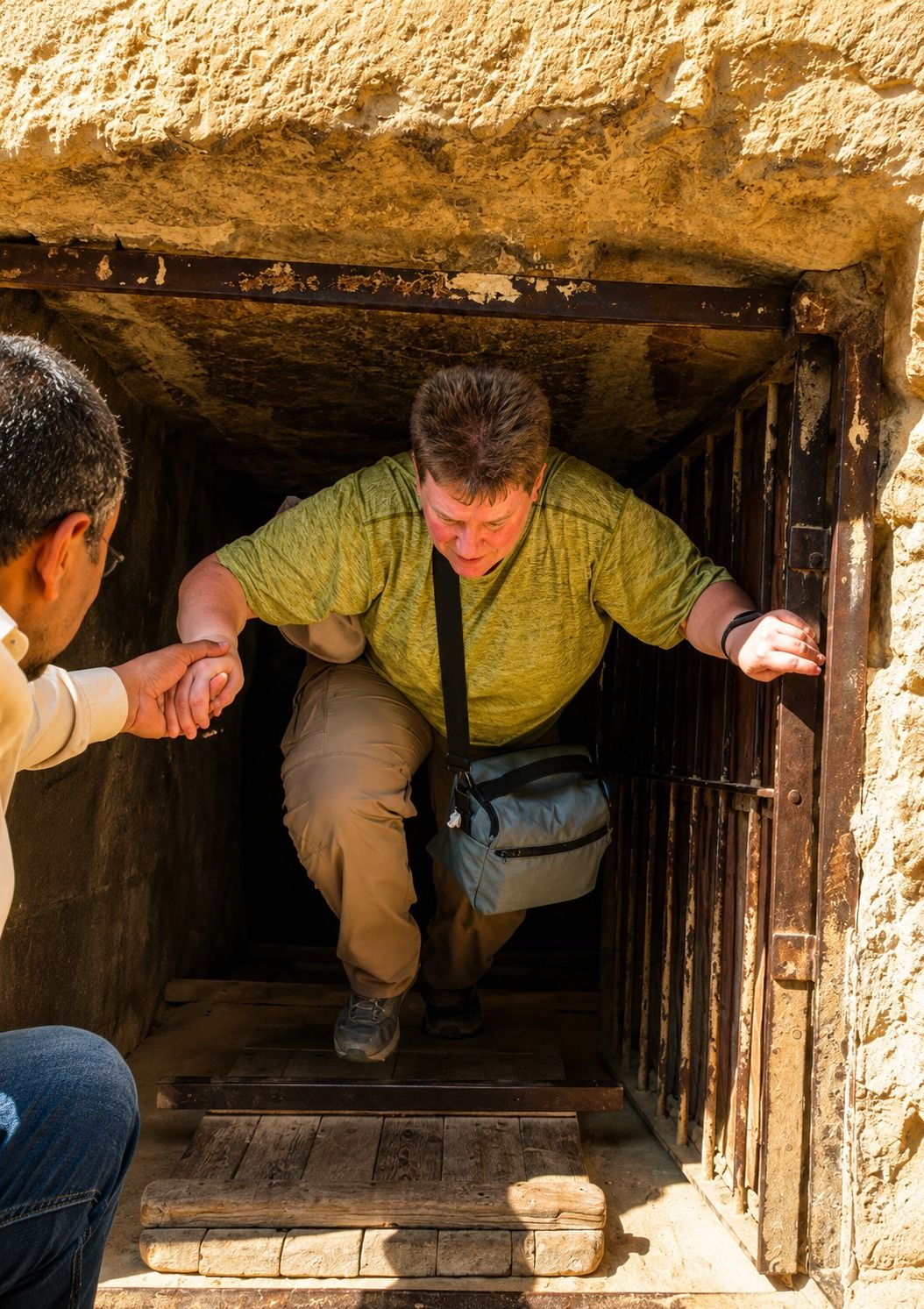
Access to the interiors of the Queens’ Pyramids is limited and depends on current archaeological conservation policies. Some pyramids may occasionally be opened for special visits or restoration projects, while others remain closed to help preserve their fragile interiors.
Even when interior access is restricted, visitors can still explore the surrounding area, admire the architecture, and learn about the queens buried there through information provided by guides and interpretive displays.
Always check the latest regulations before your visit, as access policies may change.
Table 1: Visitor Information
| Feature | Details |
|---|---|
| Interior Access | Limited and subject to current regulations |
| Exterior Viewing | Yes |
| Guided Tours | Highly recommended |
| Average Visit Time | 30–45 minutes |
| Photography | Allowed in outdoor areas (subject to site rules) |
| Family Friendly | Yes |
The Entrance Design
Like the larger pyramids, the Queens’ Pyramids generally feature entrances on the north side, reflecting ancient Egyptian religious beliefs connected with the circumpolar stars and the pharaoh’s journey into eternity.
The entrance passages descend toward underground burial chambers carved into the natural bedrock beneath the pyramid.
Although the scale is much smaller than the Great Pyramid, the engineering principles remain remarkably similar.
Table 2: Typical Pyramid Layout
| Section | Purpose |
|---|---|
| Northern Entrance | Main access to the interior |
| Descending Passage | Leads toward the burial chamber |
| Burial Chamber | Final resting place of the queen |
| Offering Chapel | Religious ceremonies and offerings |
| Pyramid Core | Protected the burial chamber |
The Burial Chambers
Each queen’s pyramid originally contained a carefully prepared burial chamber.
These chambers were designed to hold:
- The queen’s sarcophagus.
- Funerary equipment.
- Religious offerings.
- Personal belongings.
- Protective amulets.
Unlike later tombs in the Valley of the Kings, these chambers were generally plain and undecorated.
The emphasis was placed on the monument itself rather than painted interior walls.
Table 3: Burial Chamber Features
| Feature | Description |
|---|---|
| Location | Underground |
| Main Material | Limestone |
| Decorations | Minimal or none |
| Purpose | Royal burial |
| Access | Through descending passage |
The Offering Chapels
Attached to many of the Queens’ Pyramids were small offering chapels.
These structures played a vital role in maintaining the queen’s funerary cult.
Priests regularly visited the chapels to present:
- Bread
- Beer
- Wine
- Incense
- Flowers
- Meat offerings
Ancient Egyptians believed these rituals helped sustain the queen’s spirit in the afterlife.
Table 4: Daily Offerings
| Offering | Symbolic Meaning |
|---|---|
| Bread | Sustenance |
| Beer | Daily nourishment |
| Wine | Celebration and ritual |
| Incense | Purification |
| Flowers | Rebirth and beauty |
| Meat | Strength and abundance |
Archaeological Excavations
Excavations around the Queens’ Pyramids have uncovered remarkable discoveries that continue to improve our understanding of royal life.
Important finds include:
- Stone sarcophagus fragments.
- Pottery.
- Jewelry.
- Offering vessels.
- Wooden objects.
- Seal impressions.
- Limestone architectural blocks.
These discoveries provide valuable information about burial customs and royal ceremonies.
Table 5: Major Archaeological Discoveries
| Discovery | Importance |
|---|---|
| Pottery | Daily life and funerary rituals |
| Jewelry | Royal wealth and craftsmanship |
| Stone Fragments | Pyramid construction techniques |
| Seal Impressions | Administrative records |
| Offering Tables | Religious ceremonies |
The Eastern Cemetery
Near the Queens’ Pyramids lies the famous Eastern Cemetery, where many members of Khufu’s royal family and high-ranking officials were buried.
This cemetery contains dozens of beautifully constructed mastabas (flat-roofed tombs).
Many belong to:
- Princes.
- Princesses.
- Royal wives.
- High officials.
- Priests.
Together, these tombs provide one of the richest archaeological records of the Fourth Dynasty.
Table 6: Who Was Buried Nearby?
| Burial Group | Examples |
|---|---|
| Royal Queens | Wives of Khufu and other Fourth Dynasty kings |
| Princes | Sons of the pharaoh |
| Princesses | Royal daughters |
| High Officials | Administrators and nobles |
| Priests | Religious leaders serving the royal cult |
Architecture Inside the Pyramids
Although modest compared with the kings’ pyramids, the interiors demonstrate remarkable engineering.
Features include:
Precision Masonry
Stone blocks were carefully fitted together with impressive accuracy.
Underground Chambers
Burial chambers were cut into bedrock to provide additional protection.
Structural Stability
The pyramids were designed to distribute weight evenly while protecting the burial chamber.
Simplicity
The focus remained on durability rather than elaborate decoration.
Table 7: Engineering Features
| Feature | Importance |
|---|---|
| Limestone Core | Strong structural support |
| Bedrock Chamber | Enhanced stability |
| Cardinal Alignment | Religious significance |
| Compact Design | Efficient construction |
Visitor Experience
Walking through the area surrounding the Queens’ Pyramids offers a completely different atmosphere from the busy sections near the Great Pyramid.
Visitors often enjoy:
- Smaller crowds.
- Better opportunities for photography.
- Close-up views of pyramid construction.
- Access to nearby mastabas.
- Peaceful surroundings.
Hiring a licensed Egyptologist guide greatly enhances the experience by explaining the identities of the queens and the importance of the surrounding tombs.
Table 8: Visitor Experience
| Experience | Rating |
|---|---|
| Historical Importance | ⭐⭐⭐⭐⭐ |
| Photography | ⭐⭐⭐⭐⭐ |
| Educational Value | ⭐⭐⭐⭐⭐ |
| Crowd Level | ⭐⭐⭐⭐☆ (Generally quieter) |
| Family Friendly | ⭐⭐⭐⭐⭐ |
Photography Tips
Some of the best places to photograph the Queens’ Pyramids include:
- Eastern Cemetery.
- South side of the Great Pyramid.
- Panorama Point.
- Desert edge.
- Sunrise viewpoints.
Morning light beautifully illuminates the eastern faces of the pyramids and creates ideal conditions for photography.
Table 9: Best Photography Locations
| Location | Best Time | Highlights |
|---|---|---|
| Eastern Cemetery | Morning | Queens’ Pyramids with the Great Pyramid |
| Panorama Point | Sunrise | Entire Giza Plateau |
| Desert Edge | Sunset | Wide panoramic views |
| South Side | Afternoon | Architectural details |
| Great Pyramid Plaza | Early Morning | Close-up compositions |
Fascinating Discoveries
Research continues to reveal new information about the queens buried at Giza.
Recent archaeological studies have focused on:
- Family relationships.
- Construction techniques.
- Burial customs.
- Religious practices.
- Conservation methods.
Modern technology, including 3D scanning and digital mapping, is helping researchers preserve these monuments for future generations.
Table 10: Modern Research Methods
| Technology | Purpose |
|---|---|
| 3D Laser Scanning | Digital preservation |
| Photogrammetry | Accurate mapping |
| Geological Analysis | Stone conservation |
| Ground Survey | Site documentation |
| Digital Reconstruction | Visualizing original appearance |
Why Explore the Queens’ Pyramids?
The Queens’ Pyramids remind us that the story of Ancient Egypt is not only about powerful kings but also about the influential women who stood beside them.
Their pyramids, tombs, and chapels reveal a sophisticated royal society where queens held significant religious, political, and ceremonial roles.
For travelers seeking a deeper understanding of the Giza Plateau, these monuments provide one of the most rewarding—and often overlooked—experiences.
Royal Cemeteries, Hidden Tombs & Archaeological Secrets
Focus Keyword: Queens’ Pyramids of Giza
Secondary Keywords: Giza Royal Cemetery, Mastabas of Giza, Queens’ Tombs, Eastern Cemetery Giza, Giza Necropolis, Ancient Egyptian Queens
Beyond the Queens’ Pyramids
The Queens’ Pyramids of Giza are only one part of a much larger royal landscape. Surrounding these pyramids are hundreds of tombs, mastabas, temples, offering chapels, and ceremonial pathways that together formed one of the most important royal cemeteries in Ancient Egypt.
While the Great Pyramid represents the eternal resting place of Pharaoh Khufu, the surrounding cemeteries tell the stories of the queens, princes, princesses, priests, architects, and officials who helped shape one of history’s greatest civilizations.
Exploring these lesser-known monuments provides visitors with a deeper understanding of royal family life during the Fourth Dynasty.
The Eastern Cemetery
Immediately east of the Great Pyramid lies the famous Eastern Cemetery, one of the most important burial grounds on the Giza Plateau.
This area was reserved primarily for members of the royal family.
Many archaeologists believe it contains the tombs of:
- Queens
- Princes
- Princesses
- Royal mothers
- High-ranking officials
The cemetery consists mainly of mastabas, large rectangular tombs built from limestone with underground burial chambers.
Table 1: Eastern Cemetery Overview
| Feature | Details |
|---|---|
| Location | East of the Great Pyramid |
| Main Burials | Royal family members |
| Tomb Type | Mastabas |
| Construction Material | Limestone |
| Historical Period | Fourth Dynasty |
The Mastabas of Giza
Long before elaborate rock-cut tombs became common, wealthy Egyptians were buried inside mastabas.
These flat-roofed rectangular tombs formed the foundation of elite burials during the Old Kingdom.
A typical mastaba included:
- Offering chapel
- False door
- Burial shaft
- Underground burial chamber
- Storage rooms
Many of the mastabas near the Queens’ Pyramids belonged to royal officials who served the pharaoh.
Table 2: Parts of a Mastaba
| Section | Purpose |
|---|---|
| Offering Chapel | Religious ceremonies |
| False Door | Symbolic entrance for the spirit |
| Burial Shaft | Connected the chapel to the burial chamber |
| Burial Chamber | Final resting place |
| Storerooms | Held funerary goods |
Tomb Decorations
Although the interiors of the Queens’ Pyramids themselves are relatively simple, many nearby mastabas contain beautifully carved reliefs.
These scenes illustrate:
- Farming
- Hunting
- Fishing
- Banquets
- Religious rituals
- Craftsmanship
- Family life
For historians, these carvings provide an extraordinary record of everyday life more than 4,500 years ago.
Table 3: Common Tomb Scenes
| Scene | Meaning |
|---|---|
| Farming | Prosperity in the afterlife |
| Hunting | Royal strength |
| Fishing | Daily life |
| Banquets | Eternal abundance |
| Religious Rituals | Worship and offerings |
| Family Gatherings | Continuity of the family line |
Royal Women in Ancient Egypt
The Queens’ Pyramids remind us that royal women were far more than wives of the king.
Many held positions of enormous influence.
Their responsibilities included:
- Participating in state ceremonies.
- Managing royal estates.
- Supervising temple activities.
- Acting as priestesses.
- Supporting royal succession.
Some queens became regents or played significant political roles during periods of transition.
Table 4: Royal Titles
| Title | Meaning |
|---|---|
| Great Royal Wife | Principal queen |
| King’s Mother | Mother of the reigning pharaoh |
| King’s Daughter | Royal princess |
| Priestess of Hathor | Religious leader |
| Mistress of Upper and Lower Egypt | Honorary royal title |
Religious Beliefs
Ancient Egyptians believed that death was the beginning of a new life.
The queens’ pyramids formed part of a carefully designed funerary system intended to guarantee eternal existence.
Important religious concepts included:
- Preservation of the body.
- Daily offerings.
- Protection by the gods.
- Resurrection.
- Eternal companionship with the king.
Priests visited the funerary temples regularly to perform rituals and maintain the queen’s spirit.
Table 5: Ancient Egyptian Afterlife Beliefs
| Belief | Purpose |
|---|---|
| Mummification | Preserve the body |
| Offerings | Sustain the spirit |
| Tomb | Eternal home |
| Pyramid | Symbol of resurrection |
| Religious Rituals | Ensure eternal life |
Archaeological Discoveries
Excavations around the Queens’ Pyramids continue to produce remarkable discoveries.
Researchers have uncovered:
- Limestone statues
- Jewelry
- Pottery
- Copper tools
- Wooden artifacts
- Seal impressions
- Food offerings
Each discovery helps historians better understand royal life during the Fourth Dynasty.
Table 6: Important Finds
| Discovery | Historical Importance |
|---|---|
| Jewelry | Royal craftsmanship |
| Pottery | Daily life |
| Copper Tools | Construction techniques |
| Wooden Objects | Burial customs |
| Seal Impressions | Administration |
| Offering Tables | Religious practices |
Modern Archaeology
Today’s archaeologists use advanced scientific methods to preserve and study the Queens’ Pyramids.
These include:
- 3D laser scanning
- Digital photography
- Ground surveys
- Geological analysis
- Computer modeling
These technologies help researchers understand construction methods while protecting the monuments from damage.
Table 7: Modern Research Techniques
| Technology | Purpose |
|---|---|
| 3D Laser Scanning | Accurate digital models |
| Photogrammetry | Mapping structures |
| Geological Studies | Stone preservation |
| Ground Surveys | Site documentation |
| Digital Reconstruction | Visualizing original appearance |
Best Photography Locations
The Queens’ Pyramids are among the most photogenic yet least crowded areas of the Giza Plateau.
Recommended viewpoints include:
Eastern Cemetery
Excellent for photographing the Great Pyramid behind the queens’ pyramids.
Panorama Point
Captures the entire Giza Plateau.
Desert Edge
Perfect for sunrise and sunset landscapes.
South Side of Khufu’s Pyramid
Ideal for close-up architectural compositions.
Table 8: Best Photography Spots
| Location | Best Time | Highlights |
|---|---|---|
| Eastern Cemetery | Morning | Queens’ Pyramids with the Great Pyramid |
| Panorama Point | Sunrise & Sunset | Entire Giza Plateau |
| Desert Edge | Sunset | Dramatic panoramic views |
| South Side | Afternoon | Architectural details |
| Eastern Walkway | Early Morning | Soft natural light |
Hidden Secrets
Despite decades of excavation, many mysteries remain.
Researchers continue investigating:
- The ownership of several queens’ pyramids.
- Unidentified royal burials.
- Lost funerary equipment.
- Construction techniques.
- Family relationships within the royal court.
Future discoveries may continue to reshape our understanding of the Fourth Dynasty.
Table 9: Ongoing Archaeological Questions
| Mystery | Current Understanding |
|---|---|
| Ownership of Some Pyramids | Still debated among scholars |
| Missing Burial Goods | Likely removed in antiquity |
| Lost Tombs | Possible undiscovered structures nearby |
| Construction Methods | Generally understood, but details remain under study |
| Royal Family Relationships | Continuously refined through archaeological research |
Nearby Attractions
The Queens’ Pyramids are ideally located near many of Egypt’s greatest landmarks.
Visitors often combine them with:
- Great Pyramid of Khufu
- Pyramid of Khafre
- Pyramid of Menkaure
- Great Sphinx of Giza
- Valley Temple of Khafre
- Grand Egyptian Museum
Table 10: Nearby Attractions
| Attraction | Approximate Distance |
|---|---|
| Great Pyramid | Adjacent |
| Pyramid of Khafre | About 500 m |
| Pyramid of Menkaure | About 900 m |
| Great Sphinx | About 700 m |
| Valley Temple | About 700 m |
| Grand Egyptian Museum | About 2 km |
Why Explore the Entire Royal Cemetery?
Many visitors focus only on the three great pyramids, but the surrounding royal cemeteries tell a far richer story.
By exploring the Queens’ Pyramids, mastabas, and Eastern Cemetery, you’ll gain a better understanding of:
- The lives of royal women.
- Ancient Egyptian family traditions.
- Funerary architecture.
- Religious beliefs.
- The remarkable organization of the Giza Necropolis.
These quieter areas reward curious travelers with a deeper appreciation of Ancient Egypt beyond its most famous monuments.
Complete Visitor Guide, Travel Tips, FAQs & Expert Advice
Focus Keyword: Queens’ Pyramids of Giza
Secondary Keywords: Visit the Queens’ Pyramids of Giza, Giza Necropolis, Giza Plateau Guide, Egypt Travel Guide, Cairo Attractions
Planning Your Visit to the Queens’ Pyramids of Giza
The Queens’ Pyramids of Giza offer one of the most rewarding yet often overlooked experiences on the Giza Plateau. While millions of visitors focus on the Great Pyramid and the Great Sphinx, these smaller royal monuments provide a quieter atmosphere and a deeper understanding of Ancient Egypt’s royal family.
Exploring the Queens’ Pyramids allows you to discover the stories of powerful royal women, admire elegant ancient architecture, and walk through one of the world’s most important archaeological landscapes.
Most visitors spend 30 to 60 minutes exploring the Queens’ Pyramids, but history enthusiasts may wish to spend longer examining the surrounding mastabas and royal cemeteries.
How to Get There
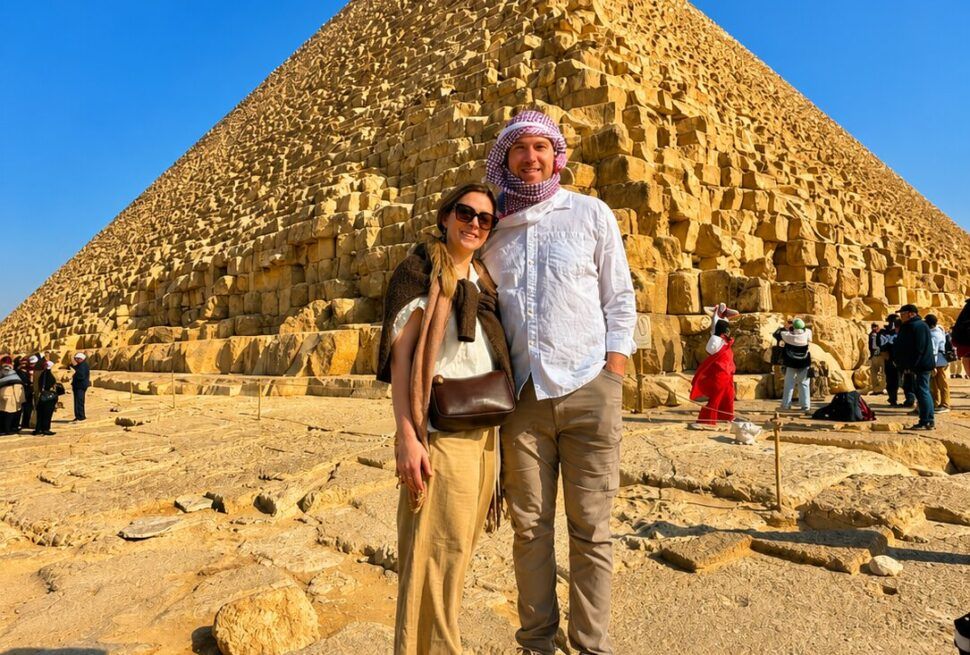
The Queens’ Pyramids are located on the eastern side of the Great Pyramid of Khufu, within the Giza Plateau archaeological site.
Visitors can easily reach the area by:
- Private guided tour
- Taxi
- Ride-hailing services
- Organized tour buses
Walking between the Great Pyramid and the Queens’ Pyramids takes only a few minutes.
Table 1: Transportation Options
| Transportation | Comfort | Flexibility | Recommended For |
|---|---|---|---|
| Private Tour | ⭐⭐⭐⭐⭐ | ⭐⭐⭐⭐⭐ | Couples, families, photographers |
| Taxi | ⭐⭐⭐⭐☆ | ⭐⭐⭐⭐☆ | Independent travelers |
| Ride-Hailing App | ⭐⭐⭐⭐☆ | ⭐⭐⭐⭐☆ | Budget travelers |
| Tour Bus | ⭐⭐⭐☆☆ | ⭐⭐☆☆☆ | Large groups |
Best Time to Visit
The Queens’ Pyramids can be visited throughout the year.
However, weather conditions vary depending on the season.
October to April
This is generally considered the ideal time because temperatures remain comfortable for walking.
Benefits include:
- Cooler weather
- Excellent photography
- Comfortable sightseeing
- Clear visibility
May to September
Summer brings hotter temperatures, making early morning visits the most comfortable.
Table 2: Best Time to Visit
| Season | Weather | Crowd Level | Recommendation |
|---|---|---|---|
| October | Pleasant | Moderate | ⭐⭐⭐⭐⭐ |
| November | Mild | Moderate | ⭐⭐⭐⭐⭐ |
| December | Cool | High | ⭐⭐⭐⭐⭐ |
| January | Cool | High | ⭐⭐⭐⭐⭐ |
| February | Mild | High | ⭐⭐⭐⭐⭐ |
| March | Warm | Moderate | ⭐⭐⭐⭐☆ |
| April | Warm | Moderate | ⭐⭐⭐⭐☆ |
| May–September | Hot | Lower during some periods | ⭐⭐⭐☆☆ |
What Should You Wear?
Comfortable clothing is essential when exploring the Giza Plateau.
Recommended items include:
- Comfortable walking shoes
- Lightweight clothing
- Sunglasses
- Hat
- Sunscreen
- Reusable water bottle (where permitted)
The archaeological site includes uneven limestone surfaces, so sturdy footwear is highly recommended.
Table 3: Visitor Checklist
| Item | Recommended |
|---|---|
| Comfortable Walking Shoes | ✅ |
| Hat | ✅ |
| Sunglasses | ✅ |
| Sunscreen | ✅ |
| Camera | ✅ |
| Portable Charger | ✅ |
| Water Bottle | ✅ |
| Small Backpack | ✅ |
Photography Tips
The Queens’ Pyramids offer unique photographic opportunities because they are less crowded than the main monuments.
The best times for photography are shortly after sunrise and during the golden hour before sunset.
Excellent viewpoints include:
- Eastern Cemetery
- Panorama Point
- Great Pyramid Plaza
- Desert edge
- The walkway beside the Queens’ Pyramids
Table 4: Best Photography Locations
| Location | Best Time | Highlights |
|---|---|---|
| Eastern Cemetery | Morning | Queens’ Pyramids with the Great Pyramid |
| Panorama Point | Sunrise & Sunset | Entire Giza Plateau |
| Desert Edge | Sunset | Panoramic landscape |
| Great Pyramid Plaza | Morning | Close-up architectural views |
| Eastern Walkway | Early Morning | Soft natural lighting |
Nearby Attractions
The Queens’ Pyramids are surrounded by Egypt’s most famous archaeological monuments.
Nearby attractions include:
- Great Pyramid of Khufu
- Pyramid of Khafre
- Pyramid of Menkaure
- Great Sphinx of Giza
- Valley Temple of Khafre
- Grand Egyptian Museum
Many visitors combine all these attractions into a single full-day itinerary.
Table 5: Nearby Attractions
| Attraction | Approximate Distance | Suggested Visit Time |
|---|---|---|
| Great Pyramid | Adjacent | 1–2 hours |
| Pyramid of Khafre | About 500 m | 45–60 minutes |
| Pyramid of Menkaure | About 900 m | 45 minutes |
| Great Sphinx | About 700 m | 45 minutes |
| Valley Temple | About 700 m | 20–30 minutes |
| Grand Egyptian Museum | About 2 km | 2–4 hours |
Expert Travel Tips
To make the most of your visit:
- Arrive early to avoid the midday heat.
- Explore the nearby mastabas as well as the pyramids.
- Wear sturdy walking shoes.
- Bring a zoom lens for detailed architectural photography.
- Hire a licensed Egyptologist guide.
- Stay on designated visitor paths to help protect the monuments.
Table 6: Expert Tips
| Tip | Benefit |
|---|---|
| Visit Early | Cooler weather and fewer crowds |
| Hire an Egyptologist Guide | Better historical understanding |
| Explore the Eastern Cemetery | Discover hidden archaeological treasures |
| Stay Hydrated | Essential during warmer months |
| Visit Panorama Point | Best panoramic photographs |
Frequently Asked Questions
What are the Queens’ Pyramids?
They are smaller pyramids built for queens and female members of Egypt’s royal family during the Fourth Dynasty.
Can visitors enter the Queens’ Pyramids?
Access to the interiors depends on current archaeological regulations and conservation work. Some may occasionally be opened, while others remain closed to protect the monuments.
Who was buried in these pyramids?
Several queens, royal wives, and other female members of the royal family are believed to have been buried here. The ownership of some pyramids is still debated among scholars.
Are the Queens’ Pyramids worth visiting?
Absolutely. They provide valuable insight into the lives of royal women and are usually much less crowded than the three main pyramids.
How much time should I allow?
Most visitors spend 30–60 minutes exploring the Queens’ Pyramids and the surrounding royal cemetery.
Is photography allowed?
Photography is generally permitted in outdoor areas, but visitors should always follow the latest regulations at the archaeological site.
Table 7: Fast Facts
| Feature | Information |
|---|---|
| Location | East of the Great Pyramid |
| Built During | Fourth Dynasty |
| Main Purpose | Royal burials |
| Number | Approximately nine major queens’ pyramids across the Giza complexes |
| Material | Limestone |
| Age | Around 4,500 years |
| UNESCO Status | Part of the Giza Necropolis |
Table 8: Why Visit the Queens’ Pyramids?
| Reason | Experience |
|---|---|
| Ancient History | Learn about Egypt’s royal women |
| Smaller Crowds | Peaceful atmosphere |
| Architecture | Discover elegant pyramid design |
| Archaeology | Explore hidden corners of Giza |
| Photography | Excellent panoramic views |
Table 9: Suggested Giza Itinerary
| Time | Activity |
|---|---|
| 8:00 AM | Great Pyramid of Khufu |
| 9:15 AM | Queens’ Pyramids |
| 10:00 AM | Eastern Cemetery |
| 10:45 AM | Pyramid of Khafre |
| 11:30 AM | Great Sphinx |
| 12:15 PM | Valley Temple |
| 1:00 PM | Lunch |
| 2:30 PM | Grand Egyptian Museum |
Table 10: Compare the Royal Pyramids
| Monument | Builder | Original Height | Primary Purpose |
|---|---|---|---|
| Great Pyramid | Khufu | 146.6 m | Pharaoh’s tomb |
| Pyramid of Khafre | Khafre | 143.5 m | Pharaoh’s tomb |
| Pyramid of Menkaure | Menkaure | 65.5 m | Pharaoh’s tomb |
| Queens’ Pyramids | Royal family | Approximately 20–30 m | Burials of queens and royal women |
Final Thoughts
The Queens’ Pyramids of Giza remind us that the story of Ancient Egypt is not only about its great kings but also about the influential women who stood beside them.
These elegant monuments, together with the surrounding cemeteries and mastabas, reveal a more personal side of Egypt’s Old Kingdom—one that highlights family, faith, and the enduring importance of royal women in one of history’s greatest civilizations.
If you’re planning a visit to the Giza Plateau, don’t overlook these remarkable pyramids. They provide a quieter, richer, and more complete understanding of the Giza Necropolis beyond its most famous landmarks.
Ready to Explore the Queens’ Pyramids of Giza?
Complete your journey through the Giza Plateau with Let’s Explore Egypt.
Our private tours give you the opportunity to explore not only the Great Pyramid and the Great Sphinx, but also the fascinating Queens’ Pyramids, royal cemeteries, and hidden archaeological treasures that many visitors miss.
Why Travel with Let’s Explore Egypt?
- 🏛️ Licensed Egyptian Tour Operator
- 👨🏫 Professional Egyptologist Guides
- 🚗 Private Air-Conditioned Transportation
- 📸 Plenty of Time for Photography
- 🌅 Flexible Sunrise & Sunset Tours
- 👨👩👧 Customized Private Experiences
- 💬 24/7 WhatsApp Support
- ⭐ Trusted by Travelers from Around the World
Book your private Giza Pyramids tour today and discover the remarkable stories of Egypt’s queens with local experts who bring Ancient Egypt to life.
discover the Hidden Side of the Giza Plateau
Most visitors come to see the Great Pyramid—but only a few discover the fascinating stories hidden among the Queens’ Pyramids of Giza.
Join Let’s Explore Egypt for a private guided tour and uncover the history of Egypt’s royal women, explore ancient tombs, admire remarkable architecture, and experience the Giza Plateau beyond the typical tourist route.
Our licensed Egyptologist guides bring these extraordinary monuments to life with engaging stories, historical insights, and personalized experiences tailored to your interests.
Why Choose Let’s Explore Egypt?
- 🏛️ Licensed Egyptian Tour Operator
- 👨🏫 Professional Egyptologist Guides
- 🚗 Private Air-Conditioned Transportation
- 📸 Plenty of Time for Photography
- 🌅 Flexible Sunrise & Sunset Tours
- 🐪 Optional Camel or Horse Ride Experience
- 💬 24/7 WhatsApp Support Before & During Your Trip
- ⭐ Thousands of Happy Travelers Worldwide
- 💳 Transparent Pricing with No Hidden Fees
- 🎯 Fully Customized Private Tours
Make the Most of Your Visit
Combine the Queens’ Pyramids of Giza with Egypt’s most iconic attractions for an unforgettable day:
- 🔺 Great Pyramid of Khufu
- 🔺 Pyramid of Khafre
- 🔺 Pyramid of Menkaure
- 🦁 Great Sphinx of Giza
- 🏛️ Valley Temple of Khafre
- 🏺 Grand Egyptian Museum (GEM)
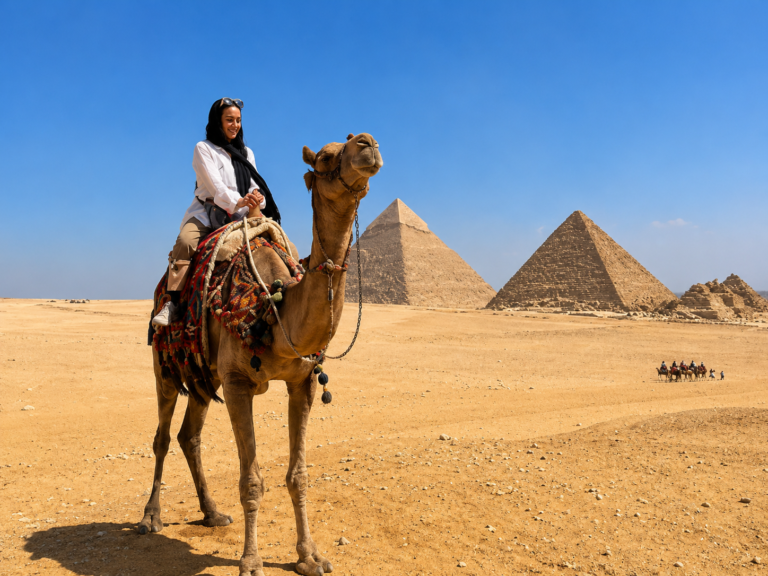
- 🐪 Camel Ride Across the Giza Plateau
- 🌅 Panorama Point for Spectacular Views
Whether you’re visiting Egypt for the first time or returning to explore its hidden treasures, we’ll create a personalized itinerary designed around your interests and schedule.
The Queens’ Pyramids are part of the wider Giza archaeological complex. For a complete overview of the site, see our [Giza Pyramids Visitor Guide].
Start Planning Your Egypt Adventure Today
Experience the wonders of Ancient Egypt with local experts who are passionate about sharing their country’s incredible history.
Get in Touch
📱 WhatsApp: +20 120 323 3365
📧 Email: info@lets-explore-egypt.com
🌐 Website: www.lets-explore-egypt.com
Let’s Explore Egypt – Private Tours, Authentic Experiences, Unforgettable Memories.
Contact us today for a free personalized itinerary and discover Egypt’s ancient wonders with confidence.
Recommended Egypt Tours
Why You Can Trust Let's Explore Egypt
This article was written and reviewed by the Let's Explore Egypt Editorial Team, a licensed Egyptian tour operator specializing in private Egypt tours, Nile cruises, and tailor-made travel experiences since 2009.
- 🏛 Licensed Egyptian Tour Operator Since 2009
- ⭐ Trusted by Thousands of Travelers Worldwide
- 👨🏫 Written & Reviewed by Local Egypt Travel Experts
- 🚐 Private Tours & Tailor-Made Travel Experiences
- 📞 24/7 Customer Support