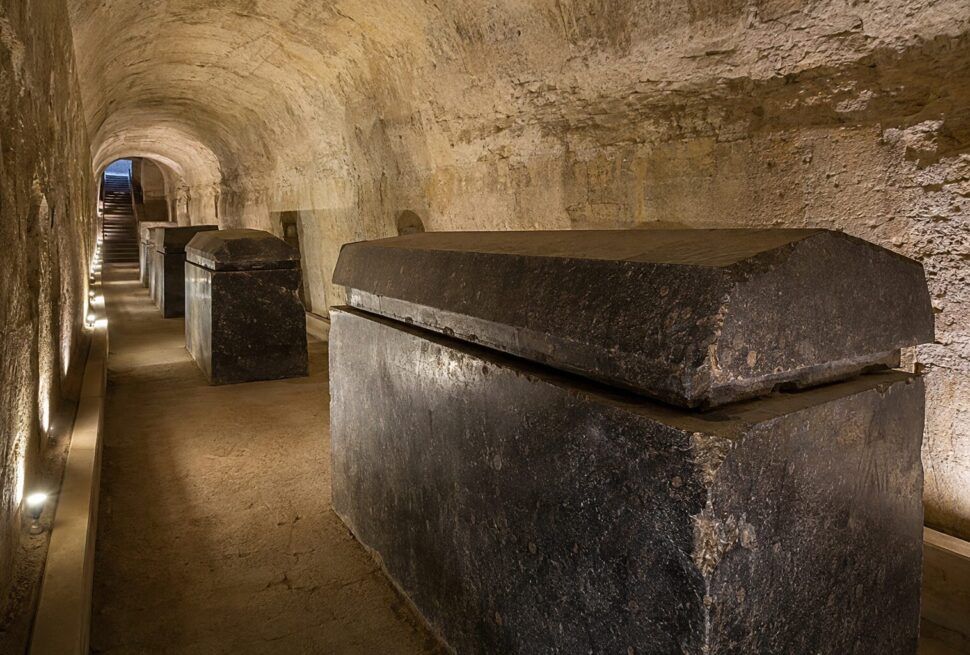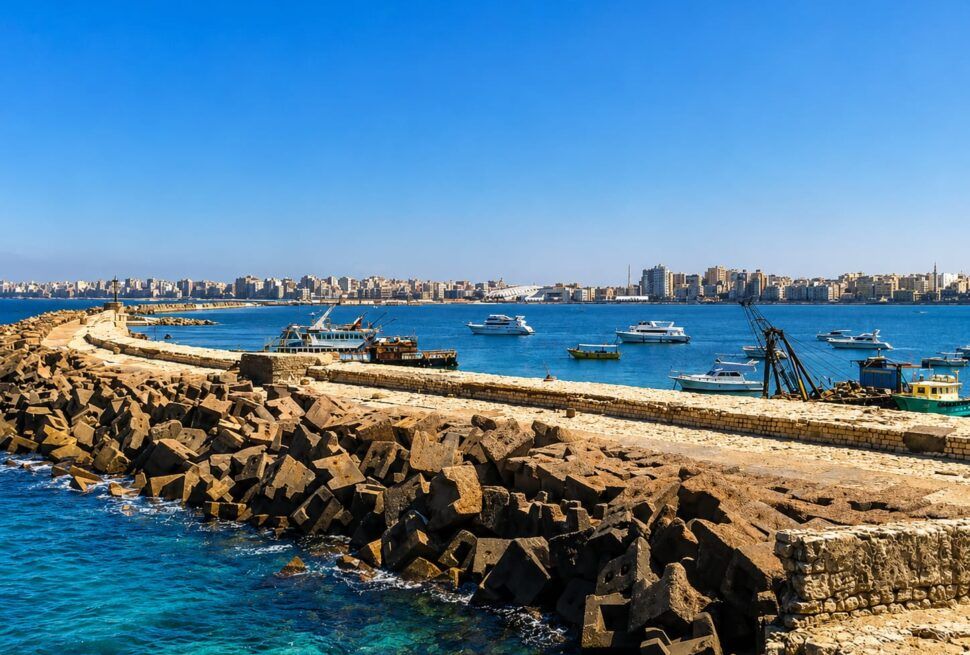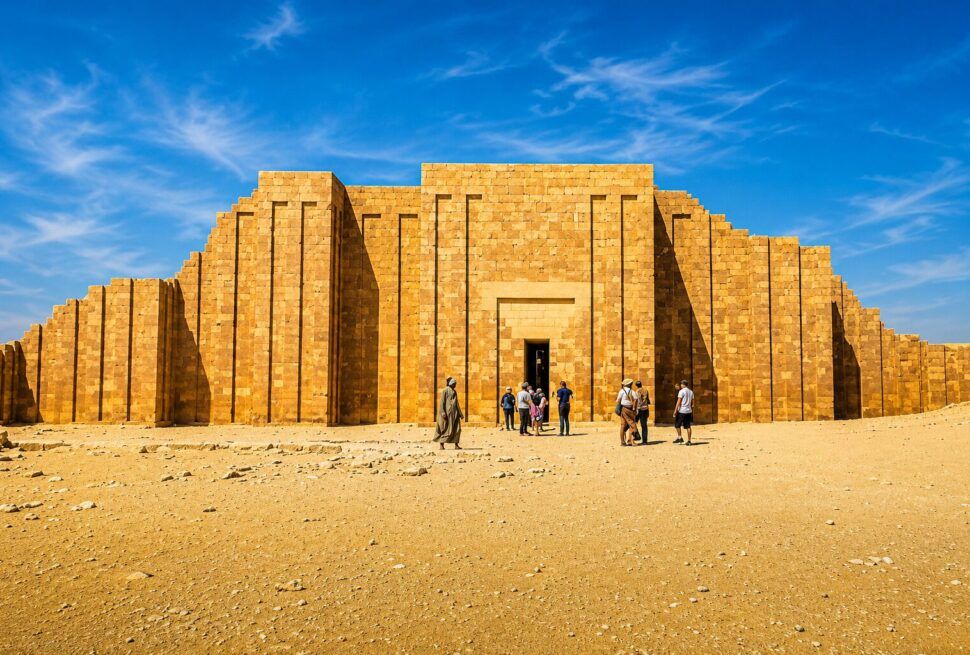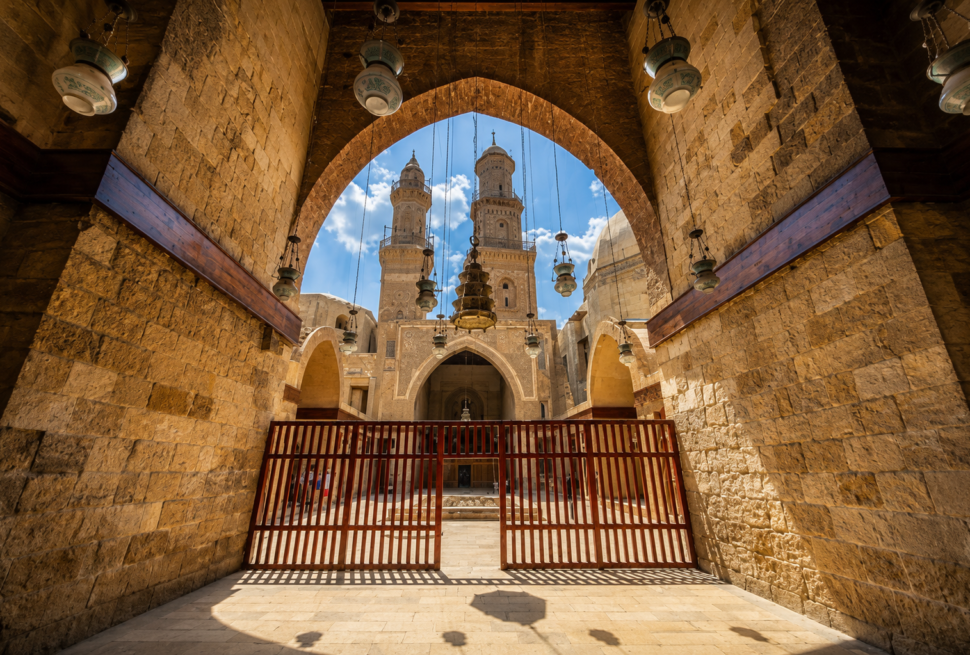


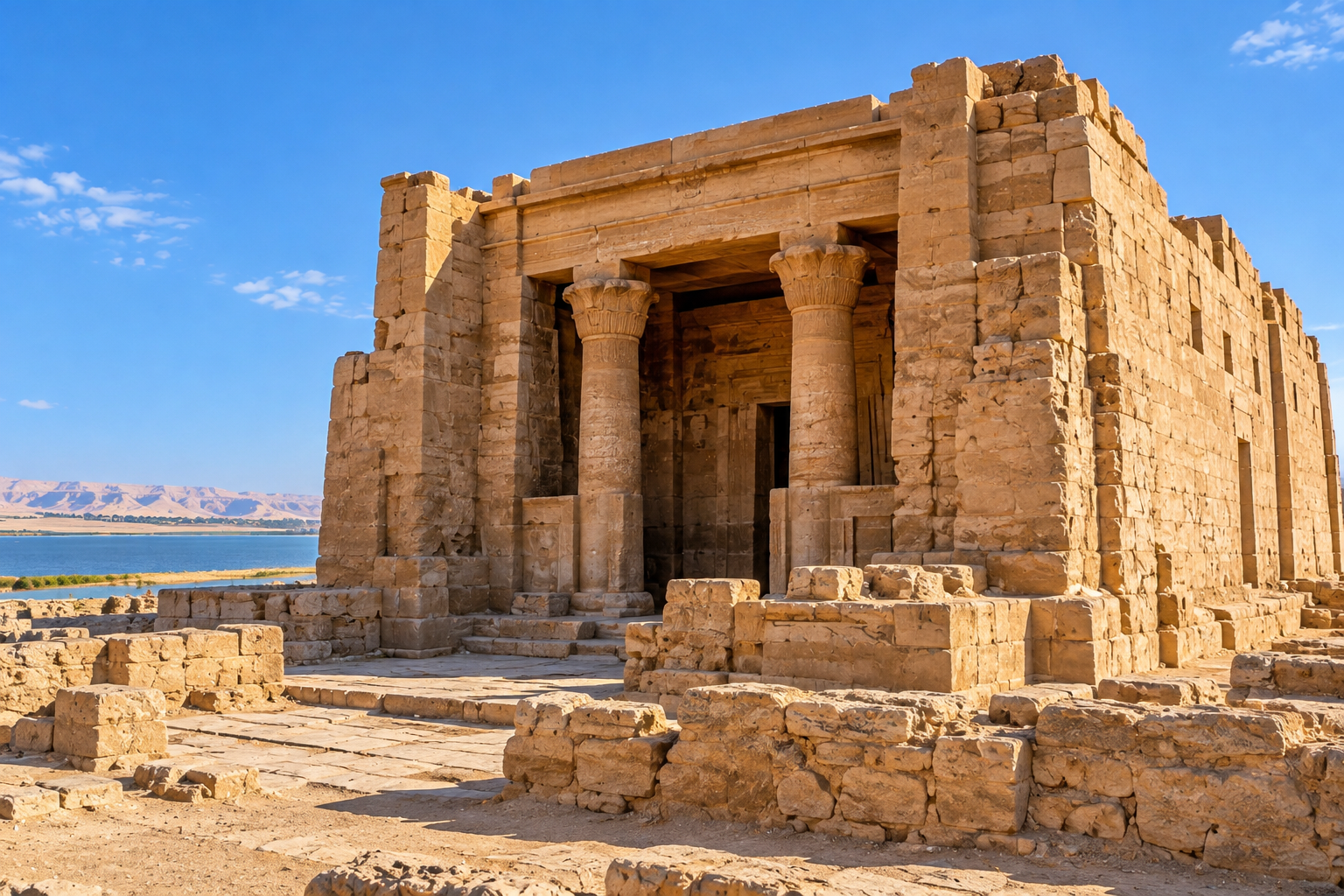
Qasr Qarun Temple is one of the most interesting historical attractions in Fayoum, Egypt. Located near the southwestern side of Lake Qarun, this ancient religious monument offers visitors a glimpse into the region’s Greco-Roman past, traditional architecture, and long history of settlement.
Although its name may suggest a medieval castle, Qasr Qarun is an ancient temple associated with the Greco-Roman period. Its stone walls, internal chambers, and distinctive architectural layout make it a fascinating stop for travelers interested in Egyptian history beyond the famous pyramids and temples of Upper Egypt.
A visit to Qasr Qarun can be combined with other Fayoum attractions, including Lake Qarun, Tunis Village, and selected natural or archaeological sites. This guide covers the temple’s history, what to see, how to get there from Cairo, the best time to visit, and practical tips for planning your trip.
Where Is Qasr Qarun Temple Located?
Qasr Qarun Temple is located in Fayoum Governorate, in the western part of the Fayoum region near Lake Qarun. The surrounding landscape includes desert terrain, agricultural areas, and settlements that reflect the region’s long relationship with the lake and its water resources.
The temple is often included in cultural itineraries exploring Fayoum’s archaeological heritage. Its location makes it possible to combine ancient history with lakeside scenery and visits to nearby villages.
If you are planning your first trip to the region, start with our Fayoum Travel Guide for an overview of the area’s major attractions.
What Is Qasr Qarun Temple Famous For?
Qasr Qarun is known for its ancient temple architecture and its connection to the religious and cultural history of the Fayoum region during the Greco-Roman period.
Its relatively compact structure makes it different from the enormous temple complexes found in Luxor and Aswan. Instead of vast courtyards and monumental avenues, visitors can explore a more enclosed structure with stone corridors and interior chambers.
1. Ancient Egyptian and Greco-Roman Heritage
Fayoum has a long history of settlement, agriculture, and religious activity. During the Greco-Roman period, the region was an important agricultural area with communities connected to the wider political and cultural world of Egypt.
Qasr Qarun is part of this historical landscape. Its architecture reflects the religious traditions and construction practices of its period, offering insight into how ancient communities created and used sacred spaces.
The temple is generally associated with the worship of Sobek, the crocodile deity connected with water and fertility in ancient Egyptian religion, although interpretations of local religious traditions and the site’s history require care.
2. Distinctive Stone Architecture
One of the temple’s most striking features is its stone construction. The building contains a series of internal spaces that visitors can explore while observing the layout and architectural details.
The walls, doorways, and chambers help illustrate how an ancient religious building could be organized around restricted interior spaces rather than a large open complex.
Look carefully at the stonework and the way the rooms connect. These details can make the visit particularly rewarding for travelers interested in archaeology and historic architecture.
3. Interior Chambers and Corridors
Qasr Qarun is often described as a compact temple with an interior layout that can feel maze-like to first-time visitors.
Moving through its chambers offers a different experience from visiting an open-air archaeological site. Light levels may vary between areas, and some spaces can feel narrow or enclosed.
Follow any instructions provided at the site, avoid climbing on ancient structures, and do not enter areas that are closed to visitors.
4. The Temple’s Connection to Lake Qarun
The wider area around Qasr Qarun has long been connected with the landscape and resources of Fayoum. Lake Qarun is one of the region’s most prominent natural landmarks and provides an important geographical reference when planning a visit.
The temple and the lake can form part of a broader itinerary that combines archaeological sightseeing with nature and countryside scenery.
Read our Lake Qarun Egypt guide to discover more about the lake, birdwatching, and nearby attractions.
A Brief History of Qasr Qarun Temple
Qasr Qarun is associated with the Greco-Roman period of Egyptian history, when Fayoum was a productive agricultural region with established settlements and religious traditions.
The area was known in antiquity for its agricultural resources and its connection to the lake and surrounding water systems. Communities relied on the region’s landscape to support farming, settlement, and trade.
The temple reflects the religious and architectural environment of this period. Like other archaeological sites in Egypt, its history is best understood within the wider context of changing political authorities, local religious practices, and the development of settlements.
The name Qasr Qarun is used today for the monument, but the temple should not be confused with a medieval fortress or a palace belonging to the legendary Qarun. Its surviving structure is an archaeological monument rather than a castle.
Visitors who are interested in the history of Fayoum can gain a broader understanding by combining Qasr Qarun with other historical and cultural stops in the region.
What to See at Qasr Qarun Temple
A visit does not require a full day at the temple itself. Instead, focus on its architecture and allow enough time to explore the site respectfully.
The Exterior
Begin by looking at the temple from outside. The exterior gives you an impression of its stone construction and compact form.
Observe the building from permitted viewpoints and take photographs where allowed. The surrounding landscape also helps place the monument within the wider Fayoum environment.
The Entrance and Interior Layout
The entrance leads into the temple’s enclosed spaces. As you explore, pay attention to the arrangement of corridors, rooms, and doorways.
The interior layout is one of the features that makes Qasr Qarun distinctive. Walk slowly and watch your footing, especially in areas with uneven stone surfaces or changing light.
Stonework and Architectural Details
Look for differences in the stone blocks, doorframes, and surviving architectural features.
Avoid touching fragile surfaces unnecessarily or attempting to climb the walls. Ancient masonry can be vulnerable to damage, and preservation rules help protect the monument for future visitors.
The Surrounding Landscape
The temple’s setting is part of the experience. The open landscape around the monument contrasts with the enclosed interior spaces.
Allow time to appreciate the scenery and take photographs from appropriate locations. The quality of light can change throughout the day, influencing how the stone structure appears in photographs.
Best Time to Visit Qasr Qarun Temple
Qasr Qarun can be visited throughout the year, but the weather in Fayoum influences how comfortable it is to explore the site.
Autumn and Winter
The cooler months are generally comfortable for outdoor sightseeing. These seasons are suitable for travelers planning to combine Qasr Qarun with Lake Qarun, Tunis Village, or other archaeological stops.
Bring a light layer for cooler mornings and check the weather before setting out.
Spring
Spring can be a pleasant period for exploring the region. Temperatures may rise later in the season, so plan outdoor activities earlier in the day.
Summer
Summer can be extremely hot in Fayoum. Start early, carry drinking water, wear sun protection, and avoid spending long periods outdoors during the hottest part of the day.
Best Time of Day
Morning is often a practical choice because temperatures are usually lower than at midday. It also leaves more time to explore additional attractions after visiting the temple.
Before traveling, confirm current opening hours and any access restrictions.
How to Get to Qasr Qarun Temple from Cairo
Qasr Qarun Temple can be reached by road from Cairo. The journey generally takes a few hours, depending on traffic, your starting point, and the route selected.
Because the temple is in the wider Fayoum region, it is best to plan your transportation around the other attractions you want to visit.
Option 1: Private Car and Driver
A private vehicle is a convenient choice for visitors who want to explore Qasr Qarun and other destinations in Fayoum in one day.
You can arrange your departure time, spend longer at the archaeological site if desired, and add selected stops according to your interests.
Consider our custom private Fayoum tour if you want a more flexible itinerary.
Option 2: Self-Drive
Travelers with a suitable vehicle can drive from Cairo toward Fayoum and continue to Qasr Qarun.
Check your route in advance and allow extra time for stops. If you plan to visit remote desert attractions afterward, confirm the road conditions and whether your vehicle is appropriate for the route.
Option 3: Public Transportation
Travelers may be able to reach Fayoum city by public transportation, but onward travel to the temple may require an additional local transfer.
Confirm current schedules, local transport availability, and return arrangements before departure. If you are visiting several attractions in a single day, pre-arranged transportation can make the itinerary easier to manage.
Suggested One-Day Qasr Qarun Itinerary from Cairo
This suggested itinerary combines archaeological sightseeing with a cultural stop and time near the lake. Actual timings depend on traffic, opening hours, and the route you choose.
7:00 AM – Depart Cairo
Leave early to make the most of your day. Confirm the route and expected travel time before departure.
9:30 AM – Arrive at Qasr Qarun Temple
Begin your visit by exploring the exterior and the temple’s interior spaces where access is permitted.
10:30 AM – Explore the Temple in More Detail
Spend additional time observing the stonework, chambers, and architectural layout. Follow any instructions given by site staff.
11:30 AM – Continue Toward Lake Qarun
Travel to an accessible lakeside location to enjoy the scenery and take photographs.
12:30 PM – Lunch Break
Stop at a suitable local restaurant or café, depending on your route and availability.
1:30 PM – Visit Tunis Village
Explore the village’s pottery workshops, handmade crafts, and rural atmosphere.
Read our Tunis Village Fayoum guide before your visit.
3:00 PM – Optional Additional Stop
If time permits, choose another nearby attraction based on your interests. Avoid adding distant sites without checking the travel time.
4:00–5:00 PM – Begin the Return Journey
Allow enough time to travel back to Cairo, accounting for traffic and your final stop.
This is a flexible itinerary rather than a fixed schedule. If you prefer to focus on archaeology, you may want to spend more time at historical sites and less time driving between attractions.
Places to Visit Near Qasr Qarun Temple
Fayoum offers several attractions that can complement a visit to Qasr Qarun. Choose your additional stops based on the time available and your preferred travel style.
Lake Qarun
Lake Qarun is one of Fayoum’s major natural landmarks. Visitors can enjoy lakeside scenery, look for birds, and explore selected viewpoints around the lake.
Read our Lake Qarun Egypt travel guide.
Tunis Village
Tunis Village is known for pottery, handmade ceramics, and its artistic community. It offers a cultural contrast to the temple’s ancient architecture.
Explore our Tunis Village Fayoum guide.
Wadi El Rayan Waterfalls
Wadi El Rayan is known for its lakes, waterfalls, and surrounding natural landscape. It can be included in a broader Fayoum itinerary if travel times and road conditions allow.
Read our Wadi El Rayan Waterfalls guide.
Wadi El Hitan
Wadi El Hitan, also called the Valley of the Whales, is famous for fossil remains that document the evolution of whales. It is an important destination for travelers interested in natural history and geology.
Because the journey requires additional planning, check the route and access arrangements before combining it with Qasr Qarun on the same day.
Read our Wadi El Hitan Egypt guide.
Fayoum Desert Safari
If you want to add adventure to your visit, a Fayoum desert safari offers a different experience from archaeological sightseeing.
A safari may involve 4×4 driving and selected desert destinations, depending on the route and conditions. Remote desert travel should be arranged appropriately rather than attempted on an ordinary road itinerary.
Discover more in our Fayoum Safari from Cairo guide.
Practical Tips for Visiting Qasr Qarun Temple
Check opening hours before departure. Confirm current access arrangements and any entry requirements before planning your day.
Carry drinking water. Fayoum can be hot, especially during summer.
Wear comfortable footwear. Stone surfaces and uneven ground may make walking difficult in some areas.
Protect yourself from the sun. Bring sunscreen, a hat, and sunglasses for outdoor sections of the visit.
Respect the archaeological site. Do not climb on ancient walls, remove objects, or touch fragile surfaces unnecessarily.
Follow site instructions. Some areas may be restricted or temporarily inaccessible.
Plan transportation carefully. If you are visiting several places, check the distances and travel times before finalizing your itinerary.
Bring a camera. Photography can help you remember the temple’s architectural details, but follow any restrictions on photography.
Allow time for breaks. A relaxed schedule makes it easier to enjoy both the temple and the surrounding region.
Is Qasr Qarun Temple Worth Visiting?
Qasr Qarun Temple is worth considering if you are interested in ancient architecture, archaeology, and the history of Fayoum.
Its compact structure and interior chambers provide a different experience from Egypt’s largest temple complexes. It can also be combined with Lake Qarun and Tunis Village for a day that includes history, scenery, and local culture.
The temple may be less suitable for travelers expecting a large monument with extensive open courtyards or numerous monumental statues. Its appeal lies in its distinctive structure and its place within Fayoum’s wider historical landscape.
For visitors who enjoy discovering lesser-known archaeological destinations, Qasr Qarun can be a rewarding addition to a Fayoum itinerary.
Frequently Asked Questions About Qasr Qarun Temple
1. Where is Qasr Qarun Temple located?
Qasr Qarun Temple is located in Fayoum Governorate, Egypt, near the southwestern side of Lake Qarun.
2. What is Qasr Qarun Temple famous for?
It is known for its ancient stone architecture, internal chambers, and connection to the Greco-Roman period of Fayoum’s history.
3. Is Qasr Qarun a castle?
No. Despite its name, Qasr Qarun is an ancient temple rather than a medieval castle.
4. How far is Qasr Qarun Temple from Cairo?
The journey takes a few hours by road, depending on traffic, your starting point, and the route. Check your travel arrangements before departure.
5. Can I visit Qasr Qarun Temple on a day trip?
Yes. A day trip is possible, especially if you focus on the temple and one or two nearby attractions. Adding several distant destinations may make the day rushed.
6. What is the best time to visit Qasr Qarun?
The cooler months are generally comfortable for outdoor sightseeing. During summer, an early morning visit can help you avoid the hottest hours.
7. How much time should I spend at the temple?
The time required depends on your interest in archaeology and the site’s access arrangements. Allow enough time to explore the permitted areas without rushing.
8. Can I combine Qasr Qarun with Lake Qarun?
Yes. The temple and lake can be included in the same itinerary. Plan your route according to the specific lakeside location you want to visit.
9. Can I visit Qasr Qarun and Tunis Village in one day?
Yes. These destinations can be combined in a day trip if you organize transportation and leave sufficient time for each stop.
10. Are entrance tickets required?
Entry requirements and fees can change. Confirm current ticket arrangements before visiting.
11. Is Qasr Qarun suitable for children?
Families interested in history and architecture may enjoy the visit. Supervise children closely around stone structures and follow site safety instructions.
12. Can I take photographs inside Qasr Qarun Temple?
Photography rules may vary. Follow the current instructions at the site and respect any restrictions.
Plan Your Fayoum Trip from Cairo
Qasr Qarun Temple offers an opportunity to discover a lesser-known part of Egypt’s ancient heritage. Its distinctive architecture and location near Lake Qarun make it a useful stop for travelers who want to combine history with the landscapes and culture of Fayoum.
Whether you want to focus on archaeological sites, visit Tunis Village, or explore the wider region, planning your route in advance will help you make the most of your time.
Explore our Fayoum Day Trip from Cairo or consider a custom private Fayoum tour to plan a visit around your interests.
Discover Qasr Qarun Temple and experience another side of Fayoum, Egypt.
Recommended Egypt Tours



Why You Can Trust Let's Explore Egypt
This article was written and reviewed by the Let's Explore Egypt Editorial Team, a licensed Egyptian tour operator specializing in private Egypt tours, Nile cruises, and tailor-made travel experiences since 2009.
- 🏛 Licensed Egyptian Tour Operator Since 2009
- ⭐ Trusted by Thousands of Travelers Worldwide
- 👨🏫 Written & Reviewed by Local Egypt Travel Experts
- 🚐 Private Tours & Tailor-Made Travel Experiences
- 📞 24/7 Customer Support