

History, Geography & Everything You Need to Know
Welcome to the Giza Plateau
The Giza Plateau is one of the world’s most extraordinary archaeological sites and the most visited destination in Egypt. Rising on the western edge of Cairo, this ancient limestone plateau is home to the legendary Great Pyramid of Khufu, the Pyramid of Khafre, the Pyramid of Menkaure, the Great Sphinx of Giza, the Queens’ Pyramids, royal cemeteries, temples, and hundreds of ancient tombs.
For more than 4,500 years, the Giza Plateau has fascinated travellers, archaeologists, historians, and explorers. It is the last surviving Wonder of the Ancient World and one of the greatest achievements in human history.
Today, millions of visitors from around the globe come to admire its monumental architecture, learn about Ancient Egyptian civilization, and experience one of UNESCO’s most treasured World Heritage Sites.
Whether you’re planning your first trip to Egypt or simply want to deepen your knowledge of this remarkable place, this guide covers everything you need to know about the Giza Plateau.
Where Is the Giza Plateau?
The Giza Plateau lies on the western bank of the Nile River in Giza Governorate, just southwest of downtown Cairo.
Its elevated limestone bedrock provided ancient Egyptian builders with a stable foundation for constructing the pyramids.
Today, the plateau overlooks modern Cairo, creating one of the world’s most striking contrasts between ancient civilization and modern urban life.
Giza Plateau at a Glance
| Feature | Details |
|---|---|
| Name | Giza Plateau |
| Arabic Name | هضبة الجيزة |
| Location | Giza, Greater Cairo, Egypt |
| Distance from Downtown Cairo | Approximately 15 km (9 miles) |
| Historical Period | Fourth Dynasty (Old Kingdom) |
| Construction Period | c. 2600–2500 BCE |
| UNESCO Status | Giza Necropolis World Heritage Site (1979) |
| Famous For | The Pyramids and the Great Sphinx |
Why Is the Giza Plateau So Famous?
The Giza Plateau is unique because it contains the largest concentration of monumental architecture from Ancient Egypt in one location.
It is home to:
- The Great Pyramid of Khufu
- The Pyramid of Khafre
- The Pyramid of Menkaure
- The Great Sphinx
- Queens’ Pyramids
- Valley Temples
- Mortuary Temples
- Ancient Causeways
- Royal Cemeteries
- Hundreds of Mastabas
No other archaeological site in the world preserves such an extensive royal necropolis from a single period of history.
Main Attractions on the Giza Plateau
| Attraction | Why Visit? |
|---|---|
| Great Pyramid of Khufu | The last surviving Wonder of the Ancient World |
| Pyramid of Khafre | Famous for its original casing stones |
| Pyramid of Menkaure | Known for its granite casing |
| Great Sphinx | World’s largest monolithic statue |
| Queens’ Pyramids | Royal tombs of Fourth Dynasty queens |
| Valley Temple | One of Egypt’s best-preserved Old Kingdom temples |
| Panorama Point | Best panoramic views of all three pyramids |
A Brief History of the Giza Plateau
The history of the Giza Plateau dates back to the Fourth Dynasty of Egypt’s Old Kingdom, when pharaohs sought to build monumental tombs that would guarantee their eternal life.
Construction began with Pharaoh Khufu, who commissioned the Great Pyramid around 2580 BCE. His son Khafre later built the second pyramid, the Great Sphinx, and an impressive temple complex. Finally, Menkaure completed the third and smallest of the great pyramids, creating the royal landscape visitors admire today.
For centuries, priests maintained these monuments, performing rituals and preserving the memory of the pharaohs long after their deaths.
Timeline of the Giza Plateau
| Date | Event |
|---|---|
| c. 2580 BCE | Construction of the Great Pyramid begins |
| c. 2558 BCE | Pyramid of Khafre is built |
| c. 2510 BCE | Pyramid of Menkaure is completed |
| c. 1400 BCE | Restoration of the Great Sphinx by Thutmose IV |
| 1818 | First modern exploration of Khafre’s Pyramid |
| 1837 | Howard Vyse surveys the pyramids |
| 1979 | Giza Necropolis becomes a UNESCO World Heritage Site |
| Today | One of the world’s most visited archaeological sites |
Why Was the Giza Plateau Chosen?
Ancient Egyptian architects selected the plateau for several important reasons.
Stable Limestone Bedrock
The plateau provided a solid natural foundation capable of supporting millions of tons of stone.
Close to the Nile
The nearby Nile River allowed massive limestone and granite blocks to be transported by boat before being moved overland.
Elevated Position
Its high location made the pyramids visible from great distances, reinforcing the pharaohs’ divine status.
Religious Significance
The west bank of the Nile was traditionally associated with the land of the dead because it was the direction of the setting sun.
Why the Giza Plateau Was the Perfect Location
| Reason | Explanation |
|---|---|
| Solid Bedrock | Supported enormous pyramid structures |
| Near the Nile | Easier transportation of building materials |
| Elevated Landscape | Monumental visibility |
| Religious Symbolism | West represented the afterlife |
Geography of the Giza Plateau
The plateau covers a large area of desert overlooking the fertile Nile Valley.
Its natural limestone surface was carefully leveled before construction began.
The landscape includes:
- Desert cliffs
- Limestone bedrock
- Ancient quarries
- Tomb fields
- Temple complexes
- Modern visitor facilities
The plateau offers spectacular panoramic views across both the monuments and the skyline of Cairo.
Table 5: Geographic Facts
| Feature | Information |
|---|---|
| Terrain | Limestone Plateau |
| Elevation | Approximately 60–70 meters above sea level |
| Climate | Hot desert climate |
| Closest City | Cairo |
| River | Nile River (east of the plateau) |
UNESCO World Heritage Site
In 1979, the Giza Necropolis was designated a UNESCO World Heritage Site in recognition of its outstanding universal value.
This designation helps protect the monuments through conservation programs, archaeological research, and sustainable tourism initiatives.
The Giza Plateau remains one of the world’s most important cultural heritage sites and continues to attract researchers from across the globe.
UNESCO Facts
| Feature | Details |
|---|---|
| UNESCO Listing | 1979 |
| Heritage Category | Cultural |
| Official Site | Memphis and its Necropolis – the Pyramid Fields from Giza to Dahshur |
| Protected Monuments | Pyramids, Sphinx, temples, cemeteries |
Amazing Facts About the Giza Plateau
Few archaeological sites can match the significance of the Giza Plateau.
Some fascinating facts include:
- It is home to the last surviving Wonder of the Ancient World.
- More than 4,500 years of history are preserved here.
- Millions of limestone blocks were used to construct the pyramids.
- The Great Sphinx is the world’s largest monolithic statue.
- The site continues to reveal new archaeological discoveries through ongoing research.
Fascinating Facts
| Fact | Details |
|---|---|
| Age | More than 4,500 years |
| Number of Main Pyramids | Three |
| Number of Queens’ Pyramids | Approximately nine |
| Largest Monument | Great Pyramid of Khufu |
| Most Famous Statue | Great Sphinx of Giza |
| UNESCO Status | Since 1979 |
Why Visit the Giza Plateau?
The Giza Plateau offers much more than the famous pyramids.
Visitors can experience:
- Ancient engineering
- Royal tombs
- Stunning desert landscapes
- World-class photography
- Archaeological discoveries
- Egyptologist-guided tours
- Camel and horseback rides
- Panoramic viewpoints
- Nearby museums and cultural attractions
Whether you spend a few hours or an entire day exploring, the Giza Plateau provides an unforgettable journey into one of humanity’s greatest civilizations.
Why Travelers Love the Giza Plateau
| Experience | Rating |
|---|---|
| Historical Importance | ⭐⭐⭐⭐⭐ |
| Architecture | ⭐⭐⭐⭐⭐ |
| Photography | ⭐⭐⭐⭐⭐ |
| Family Friendly | ⭐⭐⭐⭐⭐ |
| Educational Value | ⭐⭐⭐⭐⭐ |
| Cultural Experience | ⭐⭐⭐⭐⭐ |
| Overall Experience | ⭐⭐⭐⭐⭐ |
The Pyramids, Great Sphinx & Must-See Attractions
Focus Keyword: Giza Plateau
Secondary Keywords: Giza Pyramids, Great Sphinx of Giza, Great Pyramid, Pyramid of Khafre, Pyramid of Menkaure, Giza Necropolis, Cairo Attractions
Discover the Wonders of the Giza Plateau
The Giza Plateau is far more than a collection of pyramids. It is a vast archaeological landscape filled with royal tombs, ancient temples, ceremonial causeways, panoramic viewpoints, and hidden treasures that reveal the brilliance of Ancient Egyptian civilization.
Every monument on the plateau was carefully planned as part of a royal funerary complex. Together, they form one of the most impressive archaeological sites ever created.
Let’s explore the highlights you shouldn’t miss during your visit.
The Great Pyramid of Khufu
The Great Pyramid of Khufu is the largest and oldest pyramid on the Giza Plateau and the only surviving Wonder of the Ancient World.
Built around 2580 BCE, it originally stood 146.6 meters (481 feet) tall and remained the world’s tallest man-made structure for nearly 3,800 years.
Originally covered in polished white limestone casing stones, the pyramid would have shone brilliantly in the Egyptian sun and been visible from many kilometers away.
Today, visitors can admire its immense scale and, when available, purchase tickets to explore its fascinating interior.
Great Pyramid Quick Facts
| Feature | Information |
|---|---|
| Builder | Pharaoh Khufu |
| Original Height | 146.6 m |
| Current Height | Approximately 138.8 m |
| Construction Date | c. 2580 BCE |
| Original Casing | White Tura Limestone |
| UNESCO Status | World Heritage Site |
The Pyramid of Khafre
The second pyramid belongs to Pharaoh Khafre, son of Khufu.
Although slightly smaller than the Great Pyramid, it appears taller because it stands on higher natural bedrock.
One of its most distinctive features is the surviving section of original white limestone casing stones near the summit.
Khafre’s pyramid forms part of a magnificent funerary complex that also includes the Great Sphinx, Valley Temple, and Mortuary Temple.
Pyramid of Khafre
| Feature | Information |
|---|---|
| Builder | Pharaoh Khafre |
| Original Height | 143.5 m |
| Current Height | Approximately 136.4 m |
| Famous Feature | Original casing stones |
| Interior | Open periodically for visitors |
The Pyramid of Menkaure
The third and smallest pyramid belongs to Pharaoh Menkaure.
Despite its smaller size, it is famous for its elegant proportions and the red granite casing that once covered much of its lower exterior.
Many travelers appreciate its quieter atmosphere and the opportunity to explore a less crowded section of the plateau.
Pyramid of Menkaure
| Feature | Information |
|---|---|
| Builder | Pharaoh Menkaure |
| Original Height | 65.5 m |
| Current Height | Approximately 61 m |
| Unique Feature | Granite casing blocks |
| Dynasty | Fourth Dynasty |
The Great Sphinx of Giza
Perhaps no monument captures the imagination quite like the Great Sphinx.
Carved from a single limestone outcrop, this colossal statue measures approximately:
- 73 meters (240 ft) long
- 20 meters (66 ft) high
The Sphinx has the body of a lion and the head of a king, symbolizing strength and wisdom.
Most Egyptologists believe it was created during the reign of Pharaoh Khafre.
For thousands of years, it has stood as the eternal guardian of the Giza Plateau.
Great Sphinx Facts
| Feature | Details |
|---|---|
| Length | Approximately 73 m |
| Height | Approximately 20 m |
| Material | Limestone |
| Builder | Generally attributed to Khafre |
| Purpose | Guardian of the royal necropolis |
The Queens’ Pyramids
Beside the Great Pyramid stand several smaller pyramids built for queens and female members of the royal family.
Although much smaller than the kings’ pyramids, these monuments played an important role in the royal funerary complex.
Visitors who explore this quieter area gain valuable insight into the lives of Ancient Egypt’s royal women.
Queens’ Pyramids
| Feature | Details |
|---|---|
| Number | Approximately 9 major queens’ pyramids across the Giza complexes |
| Purpose | Royal female burials |
| Construction | Limestone |
| Location | Beside the three main pyramids |
The Valley Temple of Khafre
One of the best-preserved Old Kingdom temples in Egypt, the Valley Temple served as the place where Khafre’s body was purified before burial.
Built with massive limestone blocks and polished Aswan granite, the temple demonstrates extraordinary craftsmanship.
Many of the famous statues of Khafre were discovered here.
Table 6: Valley Temple Highlights
| Feature | Description |
|---|---|
| Builder | Pharaoh Khafre |
| Function | Mummification and purification rituals |
| Material | Limestone and granite |
| Current Condition | Excellent preservation |
The Mortuary Temples
Each pyramid originally had its own Mortuary Temple where priests performed daily rituals and presented offerings to the deceased king.
These temples included:
- Offering halls
- Courtyards
- Storerooms
- Chapels
- Priest quarters
Although partially ruined today, they remain essential to understanding the complete pyramid complexes.
Mortuary Temple Purpose
| Function | Description |
|---|---|
| Daily Offerings | Food and drink presented to the king |
| Religious Ceremonies | Honoring the deceased pharaoh |
| Priest Activities | Maintenance of the royal cult |
| Festivals | Special ritual celebrations |
Ancient Causeways
Each pyramid complex was connected to its Valley Temple by a long causeway.
These ceremonial roads were used during royal funeral processions.
Originally, many were decorated with relief carvings depicting royal ceremonies, offerings, and religious scenes.
Causeway Facts
| Feature | Details |
|---|---|
| Connected | Valley Temple to Mortuary Temple |
| Material | Limestone |
| Purpose | Funeral processions |
| Decoration | Relief carvings (many now lost) |
Panorama Point
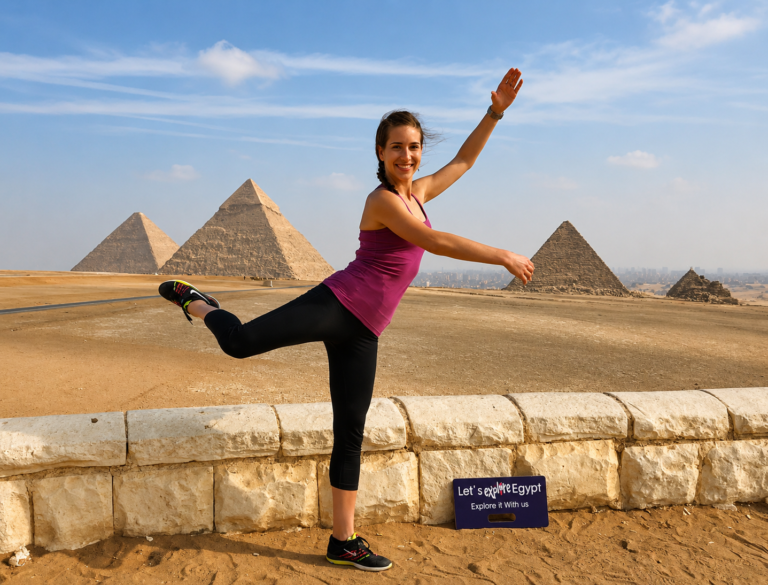
No visit to the Giza Plateau is complete without stopping at Panorama Point.
Located on higher ground southwest of the pyramids, this viewpoint offers spectacular views of:
- Great Pyramid
- Pyramid of Khafre
- Pyramid of Menkaure
- Desert landscape
- Cairo skyline
It is also one of the most popular locations for camel rides and panoramic photography.
Panorama Point
| Best Time | Why Visit? |
|---|---|
| Sunrise | Soft light and fewer crowds |
| Morning | Clear visibility |
| Sunset | Golden light on the pyramids |
| Evening | Beautiful city skyline |
The Khufu Solar Boat Museum
Near the Great Pyramid, archaeologists discovered one of Ancient Egypt’s greatest treasures—a full-size cedar boat buried beside Khufu’s pyramid.
Known as the Khufu Solar Boat, it is believed to have been built to carry the king with the sun god Ra during his journey through the afterlife.
Today, the original boat has been relocated for conservation and display, but its discovery remains one of the most significant archaeological finds at Giza.
Khufu Solar Boat
| Feature | Information |
|---|---|
| Discovery | 1954 |
| Material | Lebanese cedar wood |
| Length | About 43.6 m |
| Purpose | Ceremonial solar boat |
Hidden Archaeological Treasures
Beyond the famous monuments, the Giza Plateau contains hundreds of lesser-known archaeological sites.
These include:
- Royal mastabas
- Workers’ cemeteries
- Ancient quarries
- Tomb chapels
- Offering rooms
- Administrative buildings
Many of these areas receive far fewer visitors, making them ideal for travelers seeking a deeper understanding of Ancient Egypt.
Hidden Gems
| Site | Why Visit |
|---|---|
| Eastern Cemetery | Royal family tombs |
| Western Cemetery | Tombs of high officials |
| Queens’ Pyramids | Royal women of the Fourth Dynasty |
| Mastabas | Beautiful relief carvings |
| Workers’ Cemetery | Evidence of pyramid builders |
Suggested Route Around the Plateau
To avoid backtracking and make the most of your visit, follow this route:
- Visitor Entrance
- Great Pyramid of Khufu
- Queens’ Pyramids
- Eastern Cemetery
- Pyramid of Khafre
- Valley Temple
- Great Sphinx
- Pyramid of Menkaure
- Panorama Point
- Exit through the visitor area
Suggested Walking Route
| Stop | Recommended Time |
|---|---|
| Great Pyramid | 45–60 min |
| Queens’ Pyramids | 20–30 min |
| Eastern Cemetery | 20 min |
| Pyramid of Khafre | 30–45 min |
| Valley Temple | 20 min |
| Great Sphinx | 30 min |
| Pyramid of Menkaure | 30 min |
| Panorama Point | 20–30 min |
Why Explore the Entire Plateau?
Many visitors focus only on the Great Pyramid and miss some of the Giza Plateau’s most remarkable attractions.
By exploring the complete site—including the temples, royal cemeteries, and panoramic viewpoints—you’ll gain a far richer understanding of Ancient Egypt’s engineering, religion, and royal traditions.
Every monument contributes to the story of one of the world’s greatest civilizations.
Tickets, Opening Hours, Transportation & Essential Travel Tips
Planning the Perfect Visit to the Giza Plateau
A visit to the Giza Plateau is one of the highlights of any trip to Egypt. With several major monuments spread across a large archaeological site, planning your visit in advance will help you make the most of your time.
Whether you’re spending a few hours or an entire day exploring the pyramids, knowing the best entrance, ideal visiting hours, transportation options, and practical travel tips will make your experience much more enjoyable.
Giza Plateau Opening Hours
The Giza Plateau is generally open every day of the week.
Opening hours may vary slightly depending on the season, public holidays, Ramadan, conservation work, or special events. It’s always advisable to confirm the latest schedule before your visit.
Most travelers prefer arriving shortly after opening time to enjoy cooler temperatures and smaller crowds.
General Visiting Schedule
| Time of Day | Experience |
|---|---|
| Early Morning | Cool weather, fewer visitors, ideal photography |
| Mid-Morning | Most popular visiting period |
| Afternoon | Warmer temperatures, moderate crowds |
| Sunset | Beautiful golden light and panoramic views |
How Much Time Do You Need?
The amount of time depends on how much you want to explore.
If you only wish to see the main pyramids, a half-day visit may be enough.
However, history lovers often spend a full day exploring the surrounding temples, cemeteries, museums, and panoramic viewpoints.
Suggested Visit Duration
| Experience | Recommended Time |
|---|---|
| Quick Visit | 2–3 hours |
| Standard Visit | 4–5 hours |
| Full Exploration | 6–8 hours |
| Photography Tour | Full day |
| Private Guided Tour | 5–7 hours |
Choosing the Right Entrance
The Giza Plateau has more than one visitor entrance, and the best choice depends on your itinerary.
Some entrances provide faster access to the Great Pyramid, while others are convenient if you plan to begin with the Great Sphinx or Valley Temple.
A private guide or driver can help you choose the most efficient route based on current traffic and visitor flow.
Main Areas of the Plateau
| Area | Main Highlights |
|---|---|
| Great Pyramid Zone | Khufu, Queens’ Pyramids |
| Central Plateau | Khafre Pyramid |
| Southern Plateau | Menkaure Pyramid |
| Eastern Area | Great Sphinx & Valley Temple |
| Panorama Point | Scenic overlook of all three pyramids |
Transportation Options
Reaching the Giza Plateau is easy from downtown Cairo or Giza.
Visitors commonly use:
- Private tours
- Hotel transportation
- Taxi
- Ride-hailing services
- Tour buses
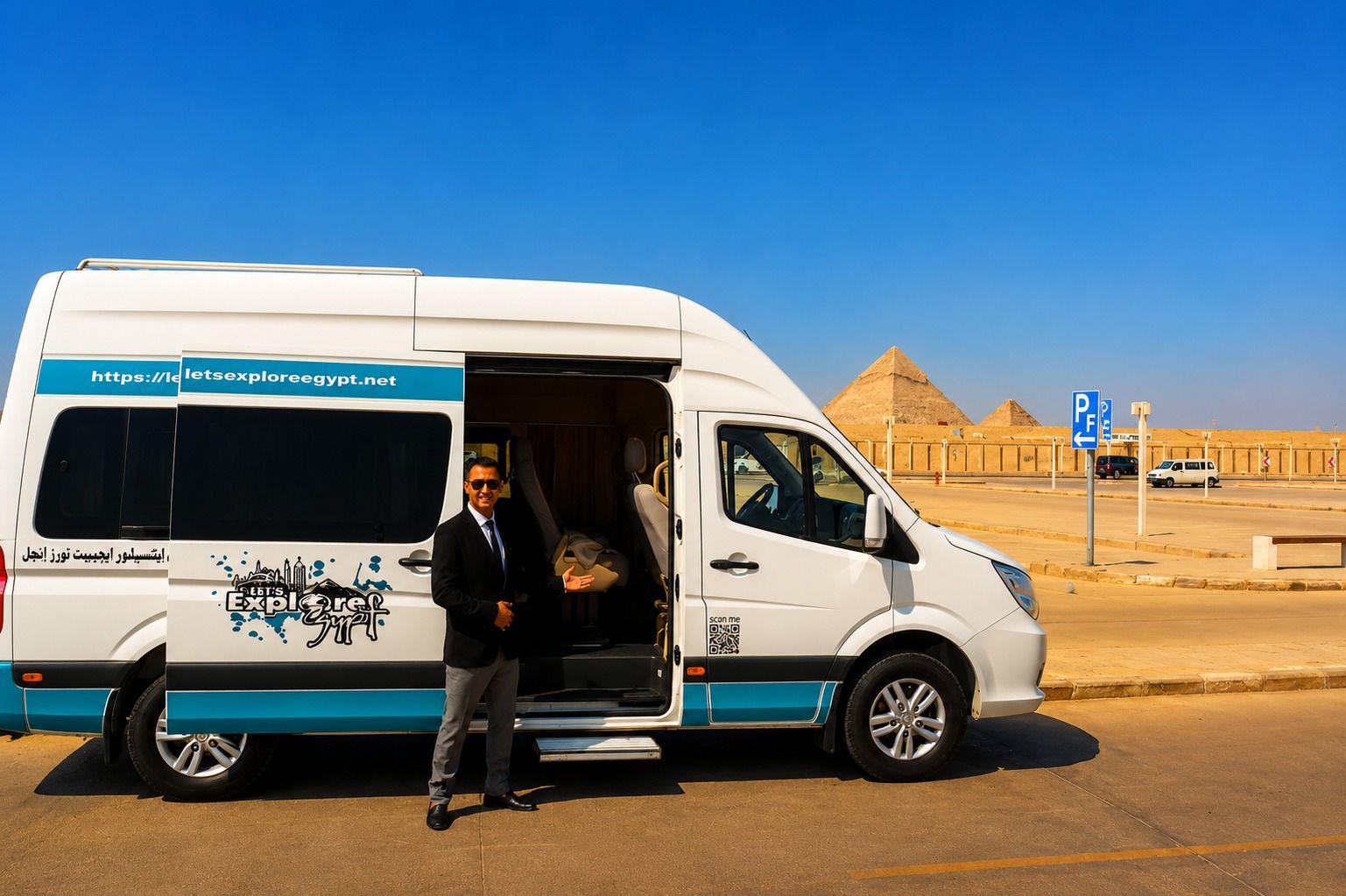
Private transportation offers the greatest flexibility and comfort, especially during busy travel seasons.
Transportation Comparison
| Option | Comfort | Flexibility | Best For |
|---|---|---|---|
| Private Tour | ⭐⭐⭐⭐⭐ | ⭐⭐⭐⭐⭐ | Families, photographers, couples |
| Taxi | ⭐⭐⭐⭐☆ | ⭐⭐⭐⭐☆ | Independent travelers |
| Ride-Hailing App | ⭐⭐⭐⭐☆ | ⭐⭐⭐⭐☆ | Budget travelers |
| Tour Bus | ⭐⭐⭐☆☆ | ⭐⭐☆☆☆ | Large groups |
Walking Around the Plateau
The Giza Plateau is much larger than many first-time visitors expect.
Although walking between monuments is possible, distances can be considerable under the Egyptian sun.
Comfortable footwear is essential.
Many travelers combine walking with short vehicle transfers between major areas.
Approximate Walking Times
| Route | Walking Time |
|---|---|
| Great Pyramid → Queens’ Pyramids | 5 minutes |
| Great Pyramid → Khafre Pyramid | 10–15 minutes |
| Khafre Pyramid → Great Sphinx | 10–15 minutes |
| Sphinx → Menkaure Pyramid | 15–20 minutes |
| Menkaure → Panorama Point | 10 minutes |
Camel and Horse Rides
Camel and horse rides are among the most popular experiences on the Giza Plateau.
These rides allow visitors to explore the desert edge while enjoying spectacular views of all three pyramids.
Available experiences include:
- Short camel rides
- Sunrise rides
- Sunset rides
- Private horseback tours
- Photography-focused rides
Always book through a reputable operator and agree on the price in advance.
Desert Experiences
| Activity | Recommended Duration |
|---|---|
| Camel Ride | 20–60 minutes |
| Horse Ride | 30–90 minutes |
| Sunset Ride | 1–2 hours |
| Private Desert Tour | 2–3 hours |
Photography Guide
The Giza Plateau is one of the most photographed places in the world.
For the best results:
- Visit early in the morning.
- Use Panorama Point for wide-angle views.
- Capture the Great Sphinx before large crowds arrive.
- Photograph the pyramids during golden hour.
- Bring extra camera batteries and memory cards.
Best Photography Locations
| Location | Best Time | Highlights |
|---|---|---|
| Great Pyramid Plaza | Morning | Monumental close-up views |
| Panorama Point | Sunrise & Sunset | All three pyramids together |
| Great Sphinx | Early Morning | Sphinx with Khafre Pyramid |
| Desert Edge | Sunset | Panoramic landscapes |
| Queens’ Pyramids | Morning | Quiet atmosphere |
What Should You Wear?
The Giza Plateau is an outdoor archaeological site exposed to the desert climate.
Recommended clothing:
- Lightweight breathable clothing
- Comfortable walking shoes
- Sunglasses
- Wide-brimmed hat
- Sunscreen
- Reusable water bottle (where permitted)
Layers can be useful during winter mornings and evenings.
Packing Checklist
| Item | Recommended |
|---|---|
| Comfortable Shoes | ✅ |
| Hat | ✅ |
| Sunglasses | ✅ |
| Sunscreen | ✅ |
| Camera | ✅ |
| Portable Charger | ✅ |
| Reusable Water Bottle | ✅ |
| Small Backpack | ✅ |
The Grand Egyptian Museum (GEM)
Located just a short distance from the Giza Plateau, the Grand Egyptian Museum is one of the largest archaeological museums in the world.
Many visitors combine both attractions on the same day.
Highlights include:
- The complete Tutankhamun collection
- Colossal statues
- Royal treasures
- Interactive galleries
- Conservation laboratories
Combine Your Visit
| Attraction | Suggested Time |
|---|---|
| Giza Plateau | 4–6 hours |
| Grand Egyptian Museum | 2–4 hours |
| Lunch | 1 hour |
| Total Full-Day Experience | 7–10 hours |
Safety Tips
The Giza Plateau is a well-established tourist destination, but following basic precautions will help ensure a smooth visit.
- Stay on marked visitor paths.
- Protect yourself from the sun.
- Keep valuables secure.
- Follow instructions from site staff.
- Respect the archaeological monuments.
- Use licensed guides and reputable transportation providers.
Visitor Do’s and Don’ts
| Do | Don’t |
|---|---|
| Wear comfortable shoes | Climb on the pyramids |
| Carry water (where permitted) | Touch or damage ancient stonework |
| Respect site rules | Enter restricted areas |
| Hire a licensed guide | Leave litter behind |
| Take plenty of photos | Ignore safety instructions |
Why Take a Guided Tour?
A licensed Egyptologist can transform your visit by explaining:
- Ancient construction techniques
- Royal family history
- Hidden architectural details
- Religious beliefs
- Archaeological discoveries
- Lesser-known monuments
Private tours also allow greater flexibility and more time for photography.
Benefits of a Private Tour
| Benefit | Why It Matters |
|---|---|
| Personalized Schedule | Explore at your own pace |
| Expert Knowledge | Understand the site’s history |
| Comfortable Transportation | Save time and energy |
| Better Photo Stops | Visit the best viewpoints |
| Flexible Itinerary | Focus on your interests |
Suggested Full-Day Itinerary
| Time | Activity |
|---|---|
| 8:00 AM | Arrive at the Giza Plateau |
| 8:15 AM | Great Pyramid of Khufu |
| 9:15 AM | Queens’ Pyramids |
| 10:00 AM | Pyramid of Khafre |
| 10:45 AM | Valley Temple |
| 11:15 AM | Great Sphinx |
| 12:00 PM | Pyramid of Menkaure |
| 12:45 PM | Panorama Point |
| 1:30 PM | Lunch |
| 3:00 PM | Grand Egyptian Museum |
FAQs, Nearby Attractions, Expert Tips & Complete Visitor Guide
Focus Keyword: Giza Plateau
Secondary Keywords: Giza Plateau Guide, Visit Giza Pyramids, Giza Attractions, Cairo Travel Guide, Egypt Tourism
Why the Giza Plateau Should Be on Every Traveler’s Bucket List
Few places on Earth inspire the imagination like the Giza Plateau. Standing before the Great Pyramid, watching the sunrise over the Great Sphinx, or admiring the three pyramids from Panorama Point is an unforgettable experience that connects visitors with one of humanity’s greatest civilizations.
Whether you’re a history enthusiast, photographer, family travellers, or first-time visitor to Egypt, the Giza Plateau offers something extraordinary.
With thousands of years of history preserved in one location, it’s a destination unlike any other in the world.
Frequently Asked Questions
Is the Giza Plateau worth visiting?
Absolutely. The Giza Plateau is Egypt’s most famous archaeological site and home to the last surviving Wonder of the Ancient World. It combines history, architecture, culture, and unforgettable scenery.
How long should I spend at the Giza Plateau?
Most visitors spend 4–6 hours, while those combining the Grand Egyptian Museum or a private desert experience often enjoy a full-day tour.
Can you enter the pyramids?
Yes. Entry to certain pyramid interiors is available with the appropriate ticket, subject to current opening schedules and conservation policies.
Can you ride a camel?
Yes. Camel and horse rides are available around designated areas of the plateau through local operators.
Is the Giza Plateau suitable for children?
Yes. Families often enjoy the site, though comfortable shoes, water, and sun protection are important.
What is the best time of year to visit?
October through April generally offers the most comfortable weather for sightseeing.
Is the Giza Plateau wheelchair accessible?
Some outdoor areas are accessible, but uneven terrain, sand, and ancient stone pathways may limit access in certain sections.
Can I visit without a guide?
Yes, but a licensed Egyptologist guide can greatly enhance your understanding of the site’s history, architecture, and symbolism.
Table 1: Frequently Asked Questions at a Glance
| Question | Quick Answer |
|---|---|
| Worth Visiting? | ⭐ Absolutely |
| Average Visit | 4–6 hours |
| Family Friendly | ✅ Yes |
| Photography | Excellent |
| Guided Tours | Highly Recommended |
| Best Season | October–April |
Hidden Gems You Shouldn’t Miss
Many visitors only see the Great Pyramid and the Great Sphinx, but the plateau has much more to offer.
Look for:
- Queens’ Pyramids
- Eastern Cemetery
- Western Cemetery
- Mastabas of royal officials
- Valley Temple of Khafre
- Panorama Point
- Menkaure’s Pyramid
- Ancient causeways
These lesser-known sites provide a deeper understanding of the Giza Necropolis while offering quieter surroundings and excellent photography opportunities.
Hidden Gems
| Hidden Attraction | Why Visit |
|---|---|
| Queens’ Pyramids | Royal women of the Fourth Dynasty |
| Eastern Cemetery | Beautiful mastabas and family tombs |
| Western Cemetery | Tombs of elite officials |
| Panorama Point | Best panoramic views |
| Valley Temple | Outstanding Old Kingdom architecture |
Nearby Attractions
The Giza Plateau is close to several of Egypt’s most important landmarks.
Many visitors combine these attractions into a one- or two-day itinerary.
Nearby Attractions
| Attraction | Distance | Recommended Visit Time |
|---|---|---|
| Grand Egyptian Museum | About 2 km | 2–4 hours |
| Downtown Cairo | About 15 km | Half day |
| Saqqara | About 30 km | Half day |
| Memphis | About 35 km | 1–2 hours |
| Dahshur | About 40 km | Half day |
Suggested One-Day Giza Itinerary
If you have one full day, consider the following schedule:
Table 4: One-Day Itinerary
| Time | Activity |
|---|---|
| 8:00 AM | Arrive at the Giza Plateau |
| 8:15 AM | Great Pyramid of Khufu |
| 9:15 AM | Queens’ Pyramids |
| 10:00 AM | Pyramid of Khafre |
| 10:45 AM | Great Sphinx |
| 11:30 AM | Valley Temple |
| 12:15 PM | Pyramid of Menkaure |
| 1:00 PM | Lunch |
| 2:30 PM | Grand Egyptian Museum |
Compare the Main Attractions
Monument Comparison
| Attraction | Historical Importance | Photography | Family Friendly |
|---|---|---|---|
| Great Pyramid | ⭐⭐⭐⭐⭐ | ⭐⭐⭐⭐⭐ | ⭐⭐⭐⭐⭐ |
| Great Sphinx | ⭐⭐⭐⭐⭐ | ⭐⭐⭐⭐⭐ | ⭐⭐⭐⭐⭐ |
| Khafre Pyramid | ⭐⭐⭐⭐⭐ | ⭐⭐⭐⭐⭐ | ⭐⭐⭐⭐⭐ |
| Menkaure Pyramid | ⭐⭐⭐⭐☆ | ⭐⭐⭐⭐⭐ | ⭐⭐⭐⭐⭐ |
| Queens’ Pyramids | ⭐⭐⭐⭐☆ | ⭐⭐⭐⭐☆ | ⭐⭐⭐⭐⭐ |
Visitor Checklist
Before leaving your hotel, make sure you have:
- Comfortable walking shoes
- Passport or identification (if required)
- Camera or smartphone
- Sunscreen
- Hat
- Sunglasses
- Portable charger
- Cash or card for tickets and small purchases
- Reusable water bottle (where permitted)
: Packing Checklist
| Item | Bring? |
|---|---|
| Comfortable Shoes | ✅ |
| Camera | ✅ |
| Sunglasses | ✅ |
| Sunscreen | ✅ |
| Hat | ✅ |
| Portable Charger | ✅ |
| Water Bottle | ✅ |
| Small Backpack | ✅ |
Expert Tips
To enjoy the best possible experience:
- Arrive early to avoid the midday heat.
- Wear comfortable shoes suitable for uneven terrain.
- Bring plenty of water, especially during warmer months.
- Visit Panorama Point for the best panoramic photographs.
- Consider entering one pyramid if interior access is available.
- Hire a licensed Egyptologist guide for a deeper understanding of the site.
- Respect the archaeological monuments and follow all visitor regulations.
Table 7: Expert Recommendations
| Tip | Benefit |
|---|---|
| Visit Early | Cooler temperatures |
| Hire a Guide | Better historical insights |
| Explore Beyond the Main Pyramids | Discover hidden treasures |
| Stay Hydrated | More comfortable visit |
| Visit Panorama Point | Iconic panoramic photos |
Fast Facts
Table 8: Giza Plateau Facts
| Feature | Information |
|---|---|
| Age | More than 4,500 years |
| UNESCO Status | Since 1979 |
| Main Pyramids | Three |
| Great Sphinx | World’s largest monolithic statue |
| Visitors Each Year | Millions from around the world |
| Historical Period | Old Kingdom, Fourth Dynasty |
Why Visit the Giza Plateau?
Table 9: Top Reasons
| Reason | Experience |
|---|---|
| Ancient History | Walk among monuments over 4,500 years old |
| Architecture | Admire incredible engineering achievements |
| Photography | Capture world-famous landmarks |
| Family Adventure | Suitable for all ages |
| Cultural Heritage | Experience one of UNESCO’s greatest sites |
Compare Giza with Other Ancient Egyptian Sites
Egypt’s Top Archaeological Destinations
| Destination | Best Known For | Suggested Visit |
|---|---|---|
| Giza Plateau | Pyramids & Great Sphinx | Full Day |
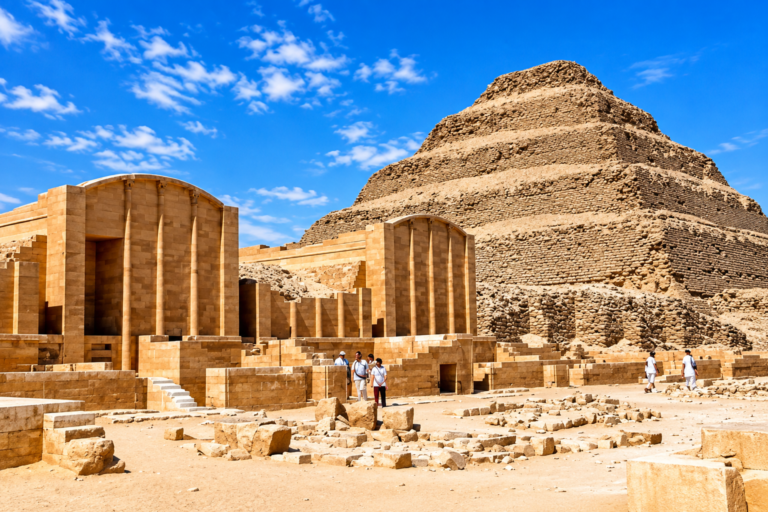
| Saqqara | Step Pyramid of Djoser | Half Day |
| Dahshur | Bent & Red Pyramids | Half Day |
| Luxor | Karnak & Valley of the Kings | 2–3 Days |
| Abu Simbel | Rock-cut Temples | Full Day |
Final Thoughts
The Giza Plateau is more than just a collection of ancient monuments—it is a timeless symbol of human ambition, innovation, and creativity. From the towering Great Pyramid and the mysterious Great Sphinx to the elegant Queens’ Pyramids and hidden royal cemeteries, every corner of the plateau tells a story that has captivated travelers for millennia.
Whether you’re visiting Egypt for the first time or returning to uncover more of its treasures, the Giza Plateau promises an unforgettable journey through one of the greatest civilizations in history.
Ready to Explore the Giza Plateau?
Turn your dream trip into reality with Let’s Explore Egypt.
Our private Giza tours are designed to help you experience every highlight of this incredible archaeological site with the comfort, flexibility, and expert guidance you deserve.
Why Travel with Let’s Explore Egypt?
- 🏛️ Licensed Egyptian Tour Operator
- 👨🏫 Professional Egyptologist Guides
- 🚗 Private Air-Conditioned Transportation
- 📸 Plenty of Time for Photography
- 🌅 Sunrise & Sunset Tour Options
- 🐪 Optional Camel & Horse Riding Experiences
- 💬 24/7 WhatsApp Support
- ⭐ Thousands of Satisfied Travelers Worldwide
- 🎯 Fully Customized Private Tours
- 💳 Transparent Pricing with No Hidden Fees
Get in Touch
📱 WhatsApp: +20 120 323 3365
📧 Email: info@lets-explore-egypt.com
Let’s Explore Egypt – Discover the Wonders of Ancient Egypt with Local Experts.
Contact us today for a free personalized itinerary and experience the Giza Plateau like never before.
Recommended Egypt Tours

Why You Can Trust Let's Explore Egypt
This article was written and reviewed by the Let's Explore Egypt Editorial Team, a licensed Egyptian tour operator specializing in private Egypt tours, Nile cruises, and tailor-made travel experiences since 2009.
- 🏛 Licensed Egyptian Tour Operator Since 2009
- ⭐ Trusted by Thousands of Travelers Worldwide
- 👨🏫 Written & Reviewed by Local Egypt Travel Experts
- 🚐 Private Tours & Tailor-Made Travel Experiences
- 📞 24/7 Customer Support