

Discover Egypt’s Most Peaceful City on the Nile

Introduction
Nestled along the southern stretch of the Nile River, Aswan is one of Egypt’s most enchanting destinations. Known for its tranquil atmosphere, stunning river views, ancient temples, and rich Nubian heritage, Aswan offers a completely different experience from the bustling streets of Cairo or the grand monuments of Luxor.
For centuries, Aswan served as Egypt’s southern gateway, connecting ancient Egypt with the kingdoms of Nubia and the heart of Africa. Today, it remains a favourite destination for travellers seeking a combination of history, culture, luxury, and relaxation.
Whether you’re planning a Nile cruise, exploring magnificent temples, sailing on a traditional felucca, or simply watching the sunset over the Nile, Aswan promises unforgettable memories.
Why Visit Aswan?

Unlike many Egyptian cities, Aswan moves at a slower pace. Life revolves around the Nile, where colourful feluccas glide across the water, palm trees sway in the breeze, and ancient monuments rise from islands surrounded by crystal-clear waters.
Visitors come to Aswan for many reasons:
- Home to the beautiful Philae Temple
- Gateway to the world-famous Abu Simbel Temples
- Authentic Nubian culture and colourful villages
- Incredible Nile cruises
- Spectacular desert landscapes
- Beautiful islands and botanical gardens
- Relaxed atmosphere away from large crowds
- Luxury hotels with breathtaking Nile views
Aswan perfectly blends history with natural beauty, making it one of Egypt’s most photogenic destinations.
Where is Aswan?

Aswan is located in Upper Egypt, approximately 870 kilometres south of Cairo.
It sits beside the First Cataract of the Nile, where ancient Egyptians once marked the southern border of their kingdom.
Distances from Major Cities
| Destination | Distance | Travel Time |
|---|---|---|
| Cairo | 870 km | 1.5-hour flight |
| Luxor | 220 km | 3–4 hours |
| Abu Simbel | 280 km | 3–4 hours |
| Hurghada | 500 km | 7 hours |
Its location makes Aswan the perfect starting point for Nile cruises and southern Egypt adventures.
A Brief History of Aswan
Aswan’s history stretches back more than 5,000 years.
Known as Swenett in ancient Egypt, the city was famous for:
- Granite quarries
- Gold trade
- Ivory trade
- Military importance
- Commerce with Nubia
Many of Egypt’s most famous obelisks, statues, and temple columns were carved from the high-quality pink granite found around Aswan.
The city later became an important centre during the Greek, Roman, Christian, and Islamic periods, creating the unique blend of cultures visitors experience today.
The Importance of the Nile in Aswan
The Nile is the heart and soul of Aswan.
Everything revolves around the river:
- Transportation
- Agriculture
- Tourism
- Local life
- Fishing
- Traditional sailing
Unlike other cities where the Nile flows between busy urban districts, Aswan’s river is dotted with beautiful granite islands, palm groves, sandy banks, and colourful Nubian villages.
Watching the sunset over the Nile from a riverside café or aboard a traditional felucca is one of the city’s greatest pleasures.
Best Time to Visit Aswan
Choosing the right season can greatly enhance your experience.
October to April (Best Season)
This is considered the ideal time to visit.
Average temperatures range from 20°C to 30°C, making sightseeing comfortable throughout the day.
Perfect for:
- Temple visits
- Nile cruises
- Desert excursions
- Walking tours
- Abu Simbel trips
May
Temperatures begin to rise but remain manageable during the morning and evening.
This month offers:
- Fewer tourists
- Better hotel prices
- Pleasant evenings
June to September
Summer in Aswan is extremely hot.
Daytime temperatures often exceed 40°C, sometimes reaching 45°C.
However, travellers willing to brave the heat will enjoy:
- Lower accommodation rates
- Less crowded attractions
- Excellent photography with clear skies
Early morning sightseeing is strongly recommended during summer.
Top Attractions in Aswan
Aswan offers an incredible variety of historical, cultural, and natural attractions.
Let’s explore the city’s must-see landmarks.
Philae Temple
One of Egypt’s most breathtaking temples, Philae Temple is dedicated to the goddess Isis, one of the most important deities in ancient Egyptian religion.
The temple originally stood on Philae Island.
However, after the construction of the Aswan High Dam, rising waters threatened to submerge the monument forever.
Thanks to an international UNESCO rescue project, every stone was carefully dismantled and reconstructed on nearby Agilkia Island, preserving this masterpiece for future generations.
Today, visitors reach the temple by boat, creating one of Egypt’s most scenic archaeological experiences.
Highlights of Philae Temple
- First Pylon
- Temple of Isis
- Birth House (Mammisi)
- Trajan’s Kiosk
- Beautiful hieroglyphics
- Roman additions
- Sacred courtyards
The peaceful setting surrounded by the Nile makes Philae one of the most romantic temples in Egypt.
The Story of Goddess Isis
The Temple of Philae is deeply connected with the legendary story of Isis and Osiris.
According to ancient Egyptian mythology:
- Osiris was murdered by his brother Seth.
- Isis searched across Egypt to recover her husband’s body.
- She used her magical powers to resurrect him long enough to conceive Horus.
- Horus later defeated Seth and became the rightful ruler of Egypt.
Because of this story, Philae became one of the most sacred pilgrimage sites of the ancient world.
Pilgrims travelled from across Egypt and neighbouring lands to worship Isis for over a thousand years.
Visiting Philae Temple
Visitors begin their journey at the marina, where small motorboats transport guests across the Nile to Agilkia Island.
The short boat ride offers spectacular views of:
- Granite boulders
- Palm trees
- Calm blue waters
- Desert hills
- Ancient temple walls rising from the island
Arriving by water creates an unforgettable first impression, much like ancient worshippers would have experienced thousands of years ago.
Sound and Light Show at Philae
One of the most memorable experiences in Aswan is the evening Sound and Light Show at Philae Temple.
After sunset, the temple is illuminated with colourful lights while narrators tell the fascinating story of Isis, Osiris, and the history of ancient Egypt.
The reflections on the Nile create an atmosphere unlike any other archaeological site in the country.
Many travellers consider it one of the best night-time experiences in Egypt.
Ancient Wonders and Must-Visit Attractions
Aswan is home to some of Egypt’s most remarkable archaeological sites and engineering achievements. From the colossal temples of Abu Simbel to the impressive High Dam, every attraction tells a fascinating chapter of Egypt’s long history.
Abu Simbel Temples
Egypt’s Greatest Monument
Located around 280 kilometres south of Aswan near the Sudanese border, Abu Simbel is one of the most iconic archaeological sites in the world. Built by Pharaoh Ramses II during the 13th century BC, these magnificent rock-cut temples were designed to demonstrate the power of Egypt and honour the gods.
The complex consists of two temples carved directly into the sandstone cliffs overlooking Lake Nasser.
The larger temple is dedicated to:
- Ramses II
- Amun-Ra
- Ra-Horakhty
- Ptah
The smaller temple honours Queen Nefertari, Ramses II’s beloved wife, and the goddess Hathor.
Few ancient monuments are as visually impressive as the four colossal statues of Ramses II that guard the entrance to the Great Temple. Each statue stands approximately 20 metres (66 feet) tall.
The UNESCO Rescue Mission
When construction of the Aswan High Dam began in the 1960s, the rising waters of Lake Nasser threatened to submerge Abu Simbel forever.
In one of history’s greatest archaeological rescue projects, UNESCO coordinated an international effort to save the temples.
Between 1964 and 1968:
- The temples were cut into over 1,000 massive stone blocks.
- Each block weighed up to 30 tonnes.
- Every piece was carefully numbered.
- The entire complex was rebuilt 65 metres higher and about 200 metres inland.
Without this extraordinary operation, Abu Simbel would have disappeared beneath the lake.
The Sun Festival
One of Abu Simbel’s most extraordinary events takes place twice each year.
On 22 February and 22 October, the rising sun shines through the temple entrance and illuminates three statues deep inside the sanctuary:
- Ramses II
- Amun-Ra
- Ra-Horakhty
The fourth statue, representing Ptah—the god associated with the underworld—remains in darkness.
Thousands of visitors gather for this remarkable solar alignment, which showcases the precision of ancient Egyptian architecture.
How to Visit Abu Simbel
Most visitors leave Aswan before sunrise to avoid the midday heat.
Options include:
- Private vehicle
- Shared coach
- Domestic flight
- Guided day tour
The journey by road takes approximately three to four hours each way, while flights take around 40 minutes.
The Unfinished Obelisk
Among Aswan’s most fascinating attractions is the Unfinished Obelisk, located inside the city’s ancient granite quarries.
If completed, this enormous monument would have become the largest obelisk ever created in ancient Egypt.
Estimated dimensions:
| Feature | Measurement |
|---|---|
| Length | 42 metres |
| Estimated Weight | Approximately 1,200 tonnes |
Unfortunately, cracks appeared in the granite before completion, forcing ancient workers to abandon the project.
Today, visitors can clearly see the carving techniques used more than 3,000 years ago.
Why It Matters
The Unfinished Obelisk provides archaeologists with valuable insight into ancient Egyptian engineering.
Visitors can observe:
- Quarry marks
- Stone-cutting channels
- Ancient tool marks
- Granite extraction methods
It offers one of the best opportunities to understand how Egypt’s famous obelisks were created before being transported to temples throughout the country.
Aswan High Dam
The Aswan High Dam is one of Egypt’s greatest modern engineering achievements.
Completed in 1970, it transformed agriculture, electricity production, and flood control across the nation.
Before the dam, annual Nile floods could either destroy crops or leave insufficient water for farming.
Today, the High Dam regulates the river throughout the year.
Why the High Dam Was Built
The project aimed to:
- Prevent destructive flooding
- Store water during drought years
- Generate hydroelectric power
- Improve agricultural production
- Support Egypt’s growing population
The construction also created Lake Nasser, one of the largest artificial lakes in the world.
Facts About the High Dam
| Feature | Details |
|---|---|
| Completion | 1970 |
| Length | 3.8 km |
| Height | 111 metres |
| Lake Created | Lake Nasser |
| Electricity Production | Hydroelectric power for millions of people |
From the viewing platform, visitors enjoy panoramic views across the dam, the Nile, and the vast waters of Lake Nasser.
Lake Nasser
Stretching over 500 kilometres, Lake Nasser extends from southern Egypt into northern Sudan.
The lake is famous for:
- Sport fishing
- Birdlife
- Luxury cruises
- Remote archaeological sites
- Stunning desert scenery
Several ancient temples rescued during the UNESCO campaign now sit along its shores.
Elephantine Island
Situated in the middle of the Nile opposite Aswan city, Elephantine Island has been inhabited for thousands of years.
The island once served as Egypt’s southern frontier and an important centre for trade with Nubia.
Today, it combines archaeological treasures with traditional Nubian life.
Things to See on Elephantine Island
Visitors can explore:
- Ancient Temple of Khnum
- Nilometer used to measure the Nile’s flood levels
- Archaeological ruins
- Nubian villages
- Local cafés overlooking the river
Walking through the island offers a peaceful escape from the busy city centre.
The Nilometer
One of Elephantine Island’s most fascinating historical features is the ancient Nilometer.
For thousands of years, officials measured the annual Nile flood using stone staircases and marked columns.
The water level determined:
- Crop forecasts
- Tax collection
- Food production
- Irrigation planning
The Nilometer demonstrates how closely ancient Egyptian civilisation depended upon the Nile.
Kitchener’s Island (Botanical Garden)
Just a short boat ride from Elephantine Island lies Kitchener’s Island, home to Aswan’s Botanical Garden.
The island was presented to Lord Kitchener in the late nineteenth century, who transformed it into a lush garden filled with exotic plants collected from around the world.
Today, visitors can stroll beneath shaded pathways surrounded by tropical vegetation.
Plants Found in the Garden
The Botanical Garden contains hundreds of plant species, including:
- Royal palms
- Date palms
- Giant bamboo
- African acacia
- Rare flowering plants
- Tropical fruit trees
Birdwatchers also enjoy spotting kingfishers, herons, and other wildlife among the gardens.
Why Visit the Botanical Garden?
It offers a refreshing contrast to the surrounding desert landscape.
Perfect for:
- Nature lovers
- Families
- Birdwatching
- Photography
- Relaxing walks
- Sunset views
The combination of greenery, river scenery, and peaceful surroundings makes it one of Aswan’s hidden gems.
Nubian Culture, Nile Experiences & Local Life
One of the biggest reasons travellers fall in love with Aswan isn’t just its ancient monuments—it’s the city’s warm atmosphere and vibrant Nubian culture. From colourful villages along the Nile to peaceful felucca rides at sunset, Aswan offers experiences that can’t be found anywhere else in Egypt.
Discover the Nubian Village
No visit to Aswan is complete without spending time in one of its famous Nubian villages.
Located along the west bank of the Nile, these villages are known for their brightly painted houses, welcoming residents, handcrafted souvenirs, and centuries-old traditions.
The Nubians have lived in southern Egypt and northern Sudan for thousands of years, preserving their unique language, customs, music, and architecture despite major historical changes.
Many villages were relocated after the construction of the Aswan High Dam, but they continue to celebrate and share their rich cultural identity.
What Makes Nubian Villages Special?
Walking through a Nubian village feels completely different from visiting other Egyptian towns.
You’ll notice:
- Colourful homes decorated with geometric patterns
- Doors painted in vibrant shades of blue, yellow, pink, and green
- Friendly locals greeting visitors
- Handmade crafts displayed outside homes
- Traditional music echoing through narrow streets
- Peaceful views of the Nile
Every street offers fantastic opportunities for photography.
Meet the Local Community
One of the highlights of visiting a Nubian village is interacting with local families.
Many residents welcome visitors into their homes to enjoy traditional hospitality.
You may have the opportunity to:
- Drink authentic Nubian tea
- Learn about local customs
- Watch traditional bread baking
- Discover family traditions
- Listen to Nubian music
- Learn a few Nubian words
These authentic experiences often become the most memorable part of a trip to Aswan.
Traditional Nubian Food
Nubian cuisine reflects the region’s agricultural heritage and proximity to the Nile.
Popular dishes include:
- Grilled Nile fish
- Slow-cooked chicken
- Rice with local spices
- Fresh vegetables
- Homemade bread
- Lentil soup
- Molokhia
- Stuffed vegetables
Local restaurants also serve refreshing drinks such as:
- Hibiscus tea (Karkadeh)
- Fresh mango juice
- Sugarcane juice
- Mint tea
Many family-run restaurants overlook the Nile, creating a relaxed dining experience.
Visit the Nubian Museum
The Nubian Museum is considered one of Egypt’s finest museums and is an essential stop for anyone interested in understanding the history of southern Egypt.
Opened in 1997, the museum was created to preserve the heritage of Nubia after many archaeological sites were relocated due to the construction of Lake Nasser.
Its modern design blends beautifully with the surrounding granite landscape.
What You’ll See Inside
The museum features thousands of fascinating artefacts covering thousands of years of history.
Highlights include:
- Ancient statues
- Mummies
- Pottery
- Jewellery
- Weapons
- Religious artefacts
- Traditional Nubian clothing
- Models of ancient temples
Interactive displays explain how Nubian civilisation developed alongside ancient Egypt.
Outdoor Museum Area
The museum’s landscaped gardens contain reconstructed monuments and archaeological remains.
Visitors can explore:
- Ancient inscriptions
- Stone carvings
- Traditional houses
- Native plants
- Scenic walking paths
It’s an excellent place for both history lovers and photographers.
Explore Aswan Souk
One of the liveliest places in the city is the traditional Aswan Souk.
Stretching through the centre of town, the market is filled with colourful stalls selling local products from Egypt and Africa.
Unlike many tourist markets, Aswan Souk retains a genuine local atmosphere.
What Can You Buy?
Popular souvenirs include:
- Handwoven scarves
- Nubian jewellery
- Leather goods
- Traditional clothing
- Handmade baskets
- Wooden carvings
- Egyptian spices
- Essential oils
- Incense
- Papyrus artwork
- Hibiscus flowers
- Dates and dried fruits
Don’t hesitate to bargain politely—it’s part of the shopping experience.
Famous Egyptian Spices
The aroma of spices fills the narrow streets of the market.
You’ll commonly find:
- Cumin
- Coriander
- Cardamom
- Cinnamon
- Turmeric
- Black cumin
- Dried hibiscus
- Saffron
- Cloves
Many visitors purchase spice mixes to recreate Egyptian dishes at home.
Felucca Sailing on the Nile
A felucca ride is one of the most relaxing experiences in Egypt.
These traditional wooden sailboats have been used on the Nile for thousands of years.
Unlike motorboats, feluccas rely entirely on the wind, allowing passengers to enjoy complete tranquillity while sailing between Aswan’s islands.
Best Time for a Felucca Ride
The most popular times are:
- Sunrise
- Late afternoon
- Sunset
- Early evening
Sunset cruises are especially magical as the golden light reflects across the Nile and the surrounding granite rocks.
What You’ll See During Your Cruise
Depending on your route, you may pass:
- Elephantine Island
- Botanical Garden
- Aga Khan Mausoleum
- Desert cliffs
- Palm groves
- Nubian villages
- Luxury hotels
- Traditional fishing boats
Every journey offers unique views of the Nile.
Visit the Aga Khan Mausoleum
Perched on a hill overlooking the Nile, the Aga Khan Mausoleum is one of Aswan’s most recognisable landmarks.
Built from elegant pink limestone, it serves as the resting place of Sir Sultan Muhammad Shah, the Aga Khan III.
Although visitors cannot enter the mausoleum, the exterior and surrounding views are spectacular, particularly at sunset.
Many felucca tours sail beneath the hill, providing excellent photo opportunities.
Enjoy a Nile Cruise
Aswan is one of the main departure points for luxury Nile cruises travelling to Luxor.
Cruises typically last:
| Cruise Length | Route |
|---|---|
| 3 Nights | Aswan → Luxor |
| 4 Nights | Luxor → Aswan |
| 7 Nights | Round Trip |
Along the journey, travellers visit some of Egypt’s most famous ancient sites, including:
- Kom Ombo Temple
- Edfu Temple
- Esna Lock
- Luxor Temple
- Karnak Temple
- Valley of the Kings
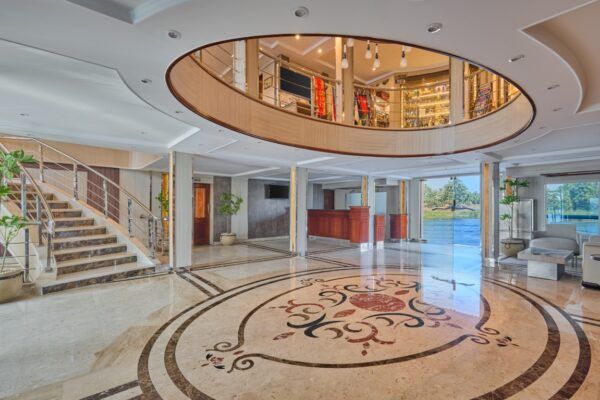
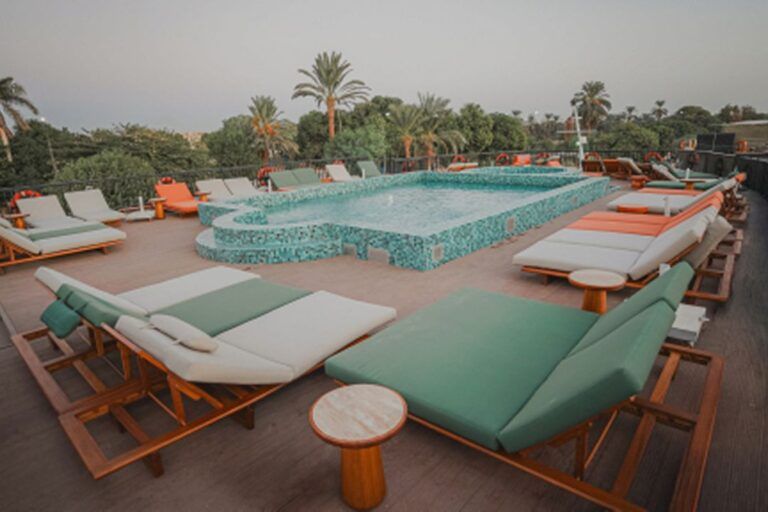
A Nile cruise combines sightseeing with the comfort of a floating hotel.
Sunset Along the Nile
Aswan is renowned for having some of Egypt’s most beautiful sunsets.
Top sunset spots include:
- Corniche promenade
- Felucca on the Nile
- Old Cataract Hotel terrace
- Botanical Garden
- Elephantine Island
- Nubian Village riverbank
The changing colours of the sky reflecting on the river create unforgettable scenes for photographers.
Evening Entertainment
After dark, Aswan remains peaceful but offers several enjoyable activities.
Visitors can:
- Enjoy traditional Nubian music performances
- Dine at riverside restaurants
- Watch the Sound & Light Show at Philae Temple
- Take an evening felucca ride
- Stroll along the Corniche
- Shop at the evening market
The slower pace makes Aswan an ideal place to unwind after busy days of sightseeing.
Where to Stay, Travel Tips & Everything You Need to Know
Aswan is more than a destination—it’s an experience. Whether you’re spending two days exploring its ancient temples or using it as the starting point for a Nile cruise, careful planning will help you make the most of your visit.
In this final part of our Aswan Travel Guide, you’ll find practical advice, suggested itineraries, safety tips, accommodation recommendations, and answers to the most frequently asked questions.
Where to Stay in Aswan
Aswan offers accommodation for every type of traveller, from luxury riverside resorts to charming Nubian guesthouses.
Luxury Hotels
If you’re looking for exceptional service and unforgettable Nile views, consider staying at one of Aswan’s luxury hotels.
Expect features such as:
- Nile-view rooms
- Infinity swimming pools
- Fine dining restaurants
- Spa and wellness facilities
- Private boat docks
- Historic architecture
Luxury hotels are perfect for honeymooners and travellers celebrating special occasions.
Mid-Range Hotels
Mid-range accommodation provides excellent value while still offering comfortable rooms and convenient locations.
Many include:
- Complimentary breakfast
- Swimming pools
- Nile-view terraces
- Airport transfers
- Organised excursions
These hotels are ideal for families and couples looking for comfort without the premium price.
Nubian Guesthouses
For a more authentic experience, stay in a traditional Nubian guesthouse.
Benefits include:
- Colourful traditional architecture
- Home-cooked meals
- Friendly local hosts
- Peaceful riverside setting
- Cultural experiences
Many guesthouses are located on Elephantine Island or in nearby Nubian villages.
How to Get Around Aswan
Getting around Aswan is relatively easy thanks to its compact size.
Taxi
Taxis are widely available and are one of the quickest ways to travel between attractions.
Tip: Agree on the fare before starting your journey if the taxi doesn’t use a meter.
Felucca
Traditional feluccas remain one of the most enjoyable ways to travel between the islands.
Perfect for:
- Sightseeing
- Sunset cruises
- Photography
- Relaxing afternoons
Motorboats
Motorboats provide faster transportation to attractions such as:
- Philae Temple
- Botanical Garden
- Elephantine Island
- Nubian Village
Horse Carriages (Hantoor)
Horse-drawn carriages continue to operate throughout the city and offer a nostalgic way to explore Aswan’s streets.
Private Tours
Many visitors prefer booking private guided tours that combine transportation, entrance tickets, and an Egyptologist guide.
Advantages include:
- Comfortable air-conditioned vehicles
- Flexible itineraries
- Expert historical insights
- Hotel pick-up and drop-off
- Time-saving travel
What to Eat in Aswan
Aswan’s cuisine reflects both Egyptian and Nubian traditions.
Must-try dishes include:
Grilled Nile Fish
Fresh fish caught daily from the Nile and seasoned with local herbs.
Fatta
A festive dish made with rice, bread, meat, garlic, and tomato sauce.
Molokhia
A traditional Egyptian green soup served with chicken or rabbit and rice.
Kebab and Kofta
Perfectly grilled meat served with fresh salads and warm Egyptian bread.
Nubian Tagine
Slow-cooked meat or vegetables with fragrant spices, prepared in a clay pot.
Desserts
Don’t miss:
- Basbousa
- Konafa
- Om Ali
- Fresh dates
- Local honey
Best Restaurants in Aswan
Visitors can enjoy dining at:
- Riverside cafés
- Traditional Nubian restaurants
- International hotel restaurants
- Seafood restaurants
- Rooftop terraces overlooking the Nile
Many restaurants offer spectacular sunset views, making dinner one of the highlights of an Aswan visit.
Suggested 3-Day Aswan Itinerary
Day 1
Morning
- Visit Philae Temple
- Explore the High Dam
- See the Unfinished Obelisk
Afternoon
- Lunch overlooking the Nile
- Visit the Botanical Garden
Evening
- Felucca sunset cruise
- Dinner at a riverside restaurant
Day 2
Early Morning
- Drive to Abu Simbel
Afternoon
- Return to Aswan
- Relax at your hotel
Evening
- Explore Aswan Souk
- Sample traditional Nubian cuisine
Day 3
Morning
- Visit the Nubian Museum
- Explore Elephantine Island
Afternoon
- Tour a colourful Nubian Village
- Shop for handmade souvenirs
Evening
- Watch the sunset from the Corniche
- Enjoy a traditional music performance
Family Travel Tips
Aswan is an excellent destination for families.
Children often enjoy:
- Boat rides on the Nile
- Colourful Nubian villages
- Botanical Garden
- Wildlife around the islands
- Camel rides near local attractions
- Open-air archaeological sites
Families should carry plenty of water, especially during warmer months.
Photography Tips
Aswan is one of Egypt’s most photogenic destinations.
Best photography locations include:
- Philae Temple
- Abu Simbel
- Elephantine Island
- Botanical Garden
- Nubian Village
- Aga Khan Mausoleum viewpoint
- Felucca at sunset
- Nile Corniche
The best lighting is typically just after sunrise and before sunset.
Is Aswan Safe?
Yes. Aswan is widely regarded as one of Egypt’s safest and most welcoming tourist destinations.
General safety tips:
- Stay hydrated, particularly in summer.
- Wear sunscreen and a hat.
- Dress respectfully when visiting villages and religious sites.
- Keep valuables secure in crowded markets.
- Book tours through licensed operators.
- Carry some cash for smaller shops and cafés.
Useful Travel Tips
To make the most of your visit:
- Start sightseeing early to avoid the midday heat.
- Wear lightweight, breathable clothing.
- Comfortable walking shoes are essential.
- Carry a reusable water bottle.
- Bring sunglasses and sunscreen.
- Keep your camera fully charged—you’ll find photo opportunities everywhere.
- Learn a few Arabic greetings; locals appreciate the effort.
- Plan your Abu Simbel visit in advance, especially during peak travel seasons.
Frequently Asked Questions
How many days should I spend in Aswan?
Two to three days is ideal for exploring the city’s main attractions. If you’re also planning a Nile cruise or a visit to Abu Simbel, consider staying four days.
Is Abu Simbel worth visiting?
Absolutely. It is one of Egypt’s most impressive archaeological sites and is considered a highlight of any trip to Upper Egypt.
What is Aswan famous for?
Aswan is renowned for:
- Philae Temple
- Abu Simbel excursions
- Nubian culture
- Felucca sailing
- Elephantine Island
- The High Dam
- Beautiful Nile scenery
Can I visit Aswan without joining a Nile cruise?
Yes. Many travellers stay in Aswan independently and explore its attractions through day tours or private guides.
When is the best time to visit?
The best months are October through April, when temperatures are pleasant for sightseeing and outdoor activities.
Is Aswan suitable for honeymooners?
Definitely. The city’s peaceful atmosphere, luxury hotels, romantic felucca rides, and spectacular sunsets make it one of Egypt’s most romantic destinations.
Can I combine Aswan with Luxor?
Yes. Many travellers visit both cities together, either by road, train, domestic flight, or as part of a Nile cruise.
Final Thoughts
Aswan offers a unique side of Egypt that combines timeless history, breathtaking landscapes, and genuine hospitality. Whether you’re admiring the beauty of Philae Temple, sailing peacefully along the Nile, exploring colourful Nubian villages, or standing before the colossal temples of Abu Simbel, every moment in Aswan feels unforgettable.
Its relaxed pace, rich cultural heritage, and remarkable archaeological treasures make it an essential stop on any Egyptian itinerary. From first-time visitors to seasoned travellers, Aswan continues to captivate everyone who experiences its charm.
Ready to Explore Aswan?
Let Let’s Explore Egypt Travel help you discover the very best of Aswan with expertly guided private tours, comfortable transportation, and carefully planned itineraries tailored to your interests.
Whether you’re visiting for a day, embarking on a Nile cruise, or exploring Upper Egypt in depth, our experienced local team is here to create a seamless and memorable journey.
Book your Aswan adventure today and experience the magic of southern Egypt with confidence.
Ready to Explore Aswan?
Whether you’re dreaming of sailing the Nile on a traditional felucca, discovering the magnificent Philae Temple, visiting the legendary Abu Simbel Temples, or experiencing authentic Nubian culture, Let’s Explore Egypt Travel is here to make your journey unforgettable.
We offer:
- ✅ Private Aswan tours
- ✅ Abu Simbel day trips
- ✅ Nile Cruise packages
- ✅ Private airport transfers
- ✅ Licensed Egyptologist guides
- ✅ Comfortable air-conditioned vehicles
- ✅ Flexible itineraries
- ✅ No hidden costs
Our local travel experts are available 24/7 to help you plan the perfect Aswan itinerary.
📲 Book Your Aswan Tour on WhatsApp
Have questions or ready to book?
Chat with our travel experts directly on WhatsApp for instant assistance, personalised itineraries, and the best prices.
📱 WhatsApp: +20 120 323 3365
Whether you’re travelling solo, as a couple, with family, or in a group, we’ll help you create an unforgettable experience in Aswan and throughout Egypt.
Start planning your Aswan adventure today with Let’s Explore Egypt Travel—your trusted local experts for unforgettable journeys across Egypt.
Recommended Egypt Tours
Why You Can Trust Let's Explore Egypt
This article was written and reviewed by the Let's Explore Egypt Editorial Team, a licensed Egyptian tour operator specializing in private Egypt tours, Nile cruises, and tailor-made travel experiences since 2009.
- 🏛 Licensed Egyptian Tour Operator Since 2009
- ⭐ Trusted by Thousands of Travelers Worldwide
- 👨🏫 Written & Reviewed by Local Egypt Travel Experts
- 🚐 Private Tours & Tailor-Made Travel Experiences
- 📞 24/7 Customer Support