

Discover Dahshur, Egypt’s hidden pyramid treasure. Explore the Red Pyramid, Bent Pyramid, tickets, opening hours, history, travel tips, and visitor guide.
| Information | Details |
|---|---|
| Location | Dahshur, Giza Governorate |
| Distance from Cairo | ~40 km |
| Best Time | October–April |
| Visit Duration | 2–3 hours |
| UNESCO Site | Part of the Memphis and its Necropolis World Heritage Site |
| Famous For | Bent Pyramid & Red Pyramid |
| Pyramid | Built By | Height | Can You Enter? |
|---|---|---|---|
| Bent Pyramid | Sneferu | 105 m | Yes |
| Red Pyramid | Sneferu | 104 m | Yes |
| Black Pyramid | Amenemhat III | Mostly ruins | No |
| Time | Activity |
|---|---|
| 8:00 | Leave Cairo |
| 9:00 | Bent Pyramid |
| 10:00 | Enter Bent Pyramid |
| 11:00 | Red Pyramid |
| 12:30 | Interior Visit |
| 1:30 | Lunch |
| 2:30 | Continue to Saqqara or Memphis |
| Essential | Recommended |
|---|---|
| Water | Camera |
| Hat | Sunglasses |
| Sunscreen | Power bank |
| Comfortable shoes | Light snacks |
Dahshur Travel Guide: Everything You Need to Know Before Visiting Egypt’s Ancient Pyramids
Few places in Egypt capture the excitement of archaeological discovery quite like Dahshur. While millions of visitors flock to the famous Giza Pyramids every year, Dahshur remains one of Egypt’s best-kept secrets. Located just south of Cairo, this peaceful desert necropolis offers travellers the rare opportunity to explore magnificent pyramids without the crowds.
Home to the remarkable Bent Pyramid and the impressive Red Pyramid, Dahshur tells the fascinating story of how ancient Egyptian architects perfected pyramid construction more than 4,600 years ago. These monuments represent a critical turning point in architectural history and ultimately paved the way for the construction of the Great Pyramid of Giza.
Unlike many of Egypt’s archaeological sites, Dahshur provides a quiet and immersive experience. Visitors can walk through the desert landscape, admire ancient engineering up close, and even climb inside some of the world’s oldest pyramids. Whether you’re passionate about history, photography, archaeology, or simply looking to experience a less crowded side of Egypt, Dahshur deserves a place on your itinerary.
In this complete travel guide, you’ll discover everything you need to know about visiting Dahshur, including its fascinating history, ticket information, opening hours, transportation options, visitor tips, nearby attractions, and practical advice to help you make the most of your trip.
Quick Facts About Dahshur
| Information | Details |
|---|---|
| Location | Giza Governorate, Egypt |
| Distance from Cairo | Approximately 40 km (25 miles) |
| UNESCO Status | Part of the Memphis and its Necropolis World Heritage Site |
| Famous For | Bent Pyramid, Red Pyramid, Black Pyramid |
| Built During | Fourth and Twelfth Dynasties |
| Best Visit Duration | 2–3 Hours |
| Suitable For | Families, history lovers, photographers, independent travellers |
| Best Season | October to April |
Where Is Dahshur?
Dahshur lies approximately 40 kilometres (25 miles) south of central Cairo, on the western bank of the Nile. It forms part of the vast ancient necropolis that stretches from Giza through Abusir, Saqqara, and finally to Dahshur.
This entire region served as the royal burial ground of Memphis, the ancient capital of Egypt for thousands of years. Today, the area is recognised as one of the world’s most important archaeological landscapes and is protected as a UNESCO World Heritage Site.
Although Dahshur is geographically close to the bustling capital, the atmosphere feels completely different. Instead of busy tourist buses and long queues, visitors are greeted by wide-open desert scenery, peaceful surroundings, and remarkably well-preserved monuments.
Its convenient location also makes Dahshur easy to combine with nearby attractions such as:
- Saqqara
- Memphis
- Giza Pyramids
- Grand Egyptian Museum
Many visitors choose a full-day excursion covering all four destinations, offering a comprehensive journey through more than a thousand years of ancient Egyptian history.
Why Visit Dahshur?
Many travellers wonder whether Dahshur is worth visiting when Egypt already offers iconic sites like the Pyramids of Giza and the Valley of the Kings. The answer is a definite yes.
Dahshur offers an experience unlike any other archaeological site in Egypt. Here are some of the reasons why it should be on your itinerary.
Experience Ancient Egypt Without the Crowds
Unlike Giza, where thousands of tourists arrive every day, Dahshur remains relatively quiet. This peaceful atmosphere allows visitors to appreciate the monuments at their own pace and capture stunning photographs without large crowds in the background.
Explore the Birthplace of Pyramid Engineering
The pyramids of Dahshur represent one of the most important stages in architectural history.
Before the Great Pyramid of Giza could be built, ancient engineers experimented with different construction techniques here. The Bent Pyramid reveals the challenges they encountered, while the Red Pyramid demonstrates their eventual success in creating the world’s first true smooth-sided pyramid.
Walking through Dahshur is like witnessing the evolution of one of humanity’s greatest engineering achievements.
Go Inside Ancient Pyramids
One of Dahshur’s biggest attractions is the opportunity to enter both the Red Pyramid and the Bent Pyramid.
Visitors descend through narrow passageways before reaching impressive internal chambers that have survived for over four millennia.
Unlike many famous pyramids elsewhere in Egypt, entry is often less crowded, making the experience feel far more authentic.
Incredible Photography Opportunities
Photographers love Dahshur because of its:
- Wide desert landscapes
- Minimal tourist traffic
- Dramatic sunsets
- Panoramic pyramid views
- Clear sightlines
- Beautiful golden-hour lighting
The Red Pyramid glowing under the afternoon sun creates one of Egypt’s most memorable photographic scenes.
Perfect for History Enthusiasts
Dahshur provides valuable insight into the reign of King Sneferu, one of Egypt’s greatest builders.
Rather than seeing only finished masterpieces, visitors can observe how Egyptian architects experimented, adapted, and refined their techniques before constructing later monuments at Giza.
For anyone interested in archaeology or ancient engineering, Dahshur is an essential destination.
The History of Dahshur
The story of Dahshur begins more than 4,600 years ago, during Egypt’s Old Kingdom.
At that time, the country was ruled by powerful pharaohs who believed their tombs should reflect their divine status. Monumental pyramid construction became the ultimate expression of royal power, religious belief, and engineering ambition.
Dahshur emerged as one of the principal royal cemeteries, serving several Egyptian dynasties over many centuries.
The site’s greatest period of development occurred during the reign of King Sneferu, founder of the Fourth Dynasty.
Sneferu inherited centuries of architectural knowledge but sought something even more ambitious than the earlier Step Pyramid at Saqqara.
His engineers faced a difficult challenge:
Could they transform the stepped pyramid into a perfectly smooth-sided monument?
The answer would forever change architectural history.
King Sneferu: The Pharaoh Who Changed Everything
King Sneferu ruled Egypt around 2613–2589 BC and is widely regarded as one of ancient Egypt’s greatest builders.
Rather than constructing a single pyramid, Sneferu commissioned multiple monumental projects, each contributing valuable lessons in design and construction.
His building programme included:
| Pyramid | Location | Importance |
|---|---|---|
| Meidum Pyramid | Meidum | Early design experiment |
| Bent Pyramid | Dahshur | Transition in pyramid engineering |
| Red Pyramid | Dahshur | First successful true pyramid |
Together, these monuments transformed pyramid architecture forever.
Historians estimate that Sneferu ordered the movement of millions of limestone blocks throughout his reign—an extraordinary logistical achievement that laid the groundwork for later masterpieces, including the Great Pyramid built by his son, Khufu.
Without Sneferu’s experiments at Dahshur, the pyramids of Giza might never have been possible.
Dahshur’s Place in Ancient Egypt
During the Old Kingdom, Dahshur was not simply a burial site.
It formed part of a much larger sacred landscape connected to the nearby capital of Memphis. Royal funerary temples, causeways, cemeteries for nobles, and administrative buildings surrounded the pyramids, creating a thriving religious and ceremonial complex.
Over the centuries, additional rulers continued building in Dahshur, particularly during the Middle Kingdom, when pharaohs such as Amenemhat III constructed the Black Pyramid.
Although many of these later monuments suffered damage over time, they remain important evidence of the site’s continued significance throughout Egyptian history.
Today, ongoing archaeological excavations continue to uncover tombs, artefacts, inscriptions, and burial chambers, revealing new details about life and death in ancient Egypt.
Why Dahshur Matters Today
For archaeologists, Dahshur is more than a collection of ancient monuments—it is a record of human innovation.
The site documents the trial-and-error process that led to one of the greatest engineering achievements in history. Every stone, corridor, and chamber provides clues about how ancient builders solved complex structural challenges without modern machinery.
For visitors, Dahshur offers something equally valuable: the chance to experience these extraordinary monuments in a calm, authentic setting, away from the busiest tourist crowds.
Its combination of historical importance, architectural innovation, and peaceful atmosphere makes it one of Egypt’s most rewarding archaeological destinations.
The Pyramids of Dahshur – Egypt’s Greatest Architectural Revolution
The pyramids of Dahshur are far more than ancient tombs. They represent one of the most remarkable periods of experimentation in human history, when Egyptian architects transformed pyramid construction forever. Every monument at Dahshur tells part of the story of innovation, problem-solving, and engineering excellence that eventually led to the construction of the Great Pyramid of Giza.
Today, visitors can explore three principal pyramids at Dahshur: the Bent Pyramid, the Red Pyramid, and the remains of the Black Pyramid. Each offers unique insights into different periods of ancient Egyptian history and showcases the incredible ambition of the pharaohs who commissioned them.
The Bent Pyramid

The Bent Pyramid is undoubtedly one of Egypt’s most unusual monuments. Built during the reign of King Sneferu around 2600 BC, it earned its modern name because of its distinctive shape.
Unlike the perfectly straight sides of the pyramids at Giza, the Bent Pyramid changes angle approximately halfway up the structure. The lower section rises at about 54 degrees, while the upper section continues at a gentler angle of around 43 degrees.
This sudden change creates the unmistakable “bent” appearance that has fascinated travellers and archaeologists for centuries.
Why Is the Bent Pyramid Bent?
For many years, historians debated why the pyramid changes angle.
Today, most archaeologists believe the builders encountered structural problems during construction.
Possible reasons include:
- The steep original angle created excessive pressure on the foundation.
- Small cracks began appearing inside the structure.
- Engineers feared a possible collapse.
- Construction methods were still evolving.
- Builders wanted to complete the monument safely before the pharaoh’s death.
Rather than abandoning the project, the architects reduced the angle of the upper section, creating a much more stable structure.
This decision demonstrates the practical engineering skills of ancient Egyptian builders, who were willing to adapt their designs when faced with unexpected challenges.
A Rarely Preserved Limestone Casing
One of the Bent Pyramid’s most extraordinary features is its original polished limestone casing.
Most Egyptian pyramids lost their smooth outer stones centuries ago, as the blocks were removed for use in later buildings throughout Cairo.
The Bent Pyramid, however, still retains much of its original casing, allowing visitors to appreciate how pyramids originally appeared over 4,500 years ago.
When newly completed, the brilliant white limestone would have reflected the Egyptian sun, making the pyramid visible from many kilometres away.
Can You Enter the Bent Pyramid?
Yes.
The Bent Pyramid is one of the few ancient pyramids in Egypt that visitors can enter.
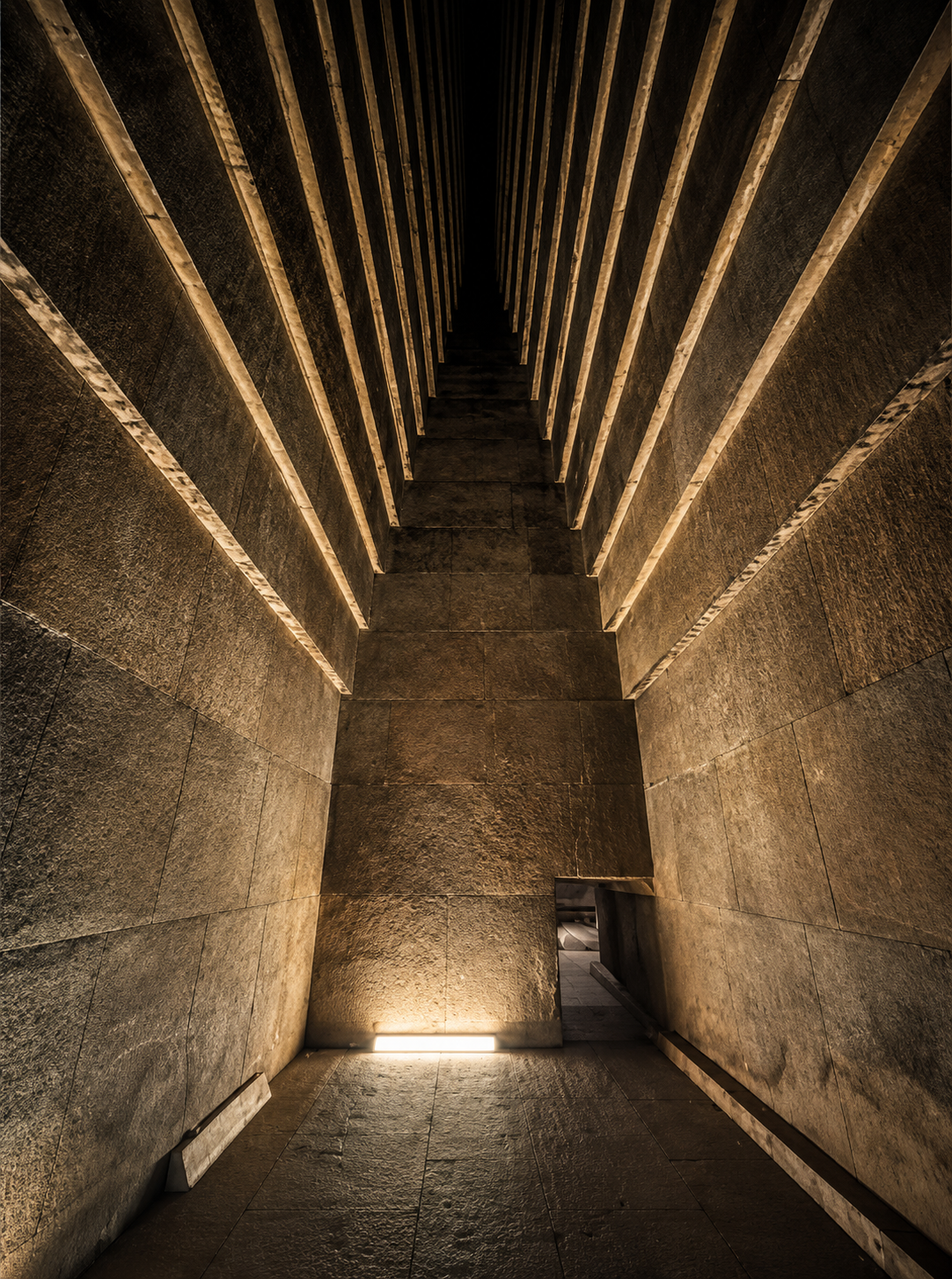
Inside, travellers descend a long wooden staircase through a narrow passage before reaching a series of impressive chambers.
Highlights include:
- High corbelled ceilings
- Ancient stone passages
- Massive limestone blocks
- Original construction techniques
- Upper burial chambers connected by wooden stairways
Although the climb can be physically demanding, the experience offers a fascinating glimpse into ancient pyramid interiors.
Visitors should be aware that the passageways are narrow, steep, and occasionally require bending over for extended periods.
Bent Pyramid Facts
| Feature | Details |
|---|---|
| Builder | King Sneferu |
| Dynasty | Fourth Dynasty |
| Construction Date | Around 2600 BC |
| Original Height | 105 metres |
| Base Length | Approximately 189 metres |
| Unique Feature | Two different angles |
| Interior Access | Yes |
| Limestone Casing | Largely preserved |
The Red Pyramid

Only a short distance from the Bent Pyramid stands one of Egypt’s greatest engineering triumphs—the Red Pyramid.
Although less famous than the pyramids at Giza, many Egyptologists consider it one of the most important monuments ever constructed.
Why?
Because it is widely recognised as the world’s first successful true smooth-sided pyramid.
Everything learned during the construction of the Bent Pyramid was applied here, resulting in a stable and elegant monument that would become the model for future pyramids across Egypt.
Why Is It Called the Red Pyramid?
Despite its name, the Red Pyramid does not actually appear bright red.
Its colour comes from the reddish limestone used in its construction, particularly noticeable during sunrise and sunset when the desert light enhances the stone’s warm tones.
Earlier travellers referred to it as the “North Pyramid” because of its location, but the modern name has become universally accepted.
Architectural Perfection
Unlike its predecessor, the Red Pyramid was built with a consistent angle of approximately 43 degrees from base to summit.
This produced a remarkably stable structure that has survived for more than four millennia with relatively little structural damage.
The pyramid measures:
| Measurement | Value |
|---|---|
| Height | 104 metres |
| Base Length | 220 metres |
| Construction Angle | 43° |
| Estimated Stone Blocks | More than 1 million |
| Builder | Sneferu |
Its enormous size makes it the third-largest pyramid in Egypt, after the Great Pyramid of Khufu and the Pyramid of Khafre.
Inside the Red Pyramid
For many visitors, entering the Red Pyramid is the highlight of a trip to Dahshur.
A long wooden staircase leads down through a descending corridor measuring over 60 metres in length.
The journey may feel challenging, but the reward is unforgettable.
Inside are three magnificent chambers featuring:
- Exceptionally high corbelled ceilings
- Massive limestone construction
- Excellent preservation
- Impressive acoustics
- Ancient engineering techniques still visible today
Standing inside these enormous rooms, it is difficult not to wonder how workers transported and positioned such vast stone blocks over 4,600 years ago.
The Climb
The entrance requires descending and later climbing back up the same steep tunnel.
Before entering, visitors should consider that:
- The corridor is narrow.
- The ceiling is low.
- Temperatures can be warm.
- The climb back requires moderate fitness.
Nevertheless, most travellers describe the experience as one of the highlights of their Egyptian adventure.
The Black Pyramid

The third major monument at Dahshur belongs to a much later period of Egyptian history.
Known as the Black Pyramid, it was built approximately 700 years after Sneferu’s pyramids during the reign of Amenemhat III of the Twelfth Dynasty.
Unlike the earlier pyramids, this monument was constructed primarily from mudbrick rather than solid limestone.
Although this allowed for faster construction, it also made the pyramid much more vulnerable to structural problems.
Over time, groundwater weakened the foundation, causing the monument to collapse.
Today, visitors see only a large mound surrounded by archaeological remains, but the site remains extremely important for understanding the evolution of pyramid construction.
Why Is It Called the Black Pyramid?
The name comes from the dark appearance of the weathered mudbricks and blackened stone debris scattered around the site.
Originally, however, the pyramid would have been covered in polished white limestone, much like earlier royal pyramids.
Archaeological Importance
Although visitors cannot enter the Black Pyramid, archaeologists continue to study the site because it preserves valuable evidence about Middle Kingdom royal burial practices.
Excavations have revealed:
- Underground burial chambers
- Royal tombs
- Princesses’ tombs
- Stone sarcophagi
- Temple remains
- Causeways
- Administrative buildings
These discoveries help historians understand how pyramid complexes evolved long after the Old Kingdom.
Comparing Dahshur’s Three Main Pyramids
| Pyramid | Builder | Dynasty | Height | Can You Enter? | Famous For |
|---|---|---|---|---|---|
| Bent Pyramid | Sneferu | Fourth | 105 m | Yes | Unique change in angle |
| Red Pyramid | Sneferu | Fourth | 104 m | Yes | First true smooth-sided pyramid |
| Black Pyramid | Amenemhat III | Twelfth | Originally 75 m | No | Mudbrick construction |
How Dahshur Changed Pyramid Construction Forever
Before Dahshur, pyramid building was still experimental.
Architects had progressed from mastabas to the Step Pyramid at Saqqara, but they had not yet perfected the smooth-sided pyramid.
Dahshur became the proving ground where Egyptian engineers:
- Improved foundation design.
- Reduced structural stress.
- Refined construction angles.
- Developed stronger internal chambers.
- Enhanced weight distribution.
- Perfected smooth-sided pyramid architecture.
Without these innovations, later masterpieces such as the Great Pyramid of Giza would likely never have been possible.
Many historians therefore regard Dahshur as the birthplace of the classic Egyptian pyramid.
A Living Archaeological Site
Although the pyramids dominate the landscape, Dahshur continues to reveal new discoveries.
Archaeological missions regularly uncover:
- Ancient tombs
- Burial shafts
- Wooden coffins
- Statues
- Jewellery
- Pottery
- Hieroglyphic inscriptions
- Human remains
Each excavation adds another piece to the story of one of the world’s greatest ancient civilisations.
These ongoing discoveries remind visitors that Dahshur is not merely a historical attraction—it remains an active archaeological site where the secrets of ancient Egypt continue to emerge from the desert sands.
Planning Your Visit to Dahshur
Planning your visit in advance will help you make the most of your time at Dahshur. Although the site is quieter than many of Egypt’s famous attractions, knowing when to visit, how to get there, and what to expect can make your experience much more enjoyable.
Whether you’re visiting independently or as part of a guided tour, this section covers everything you need to know before arriving at one of Egypt’s most remarkable archaeological sites.
Opening Hours
Dahshur is generally open every day of the week, including weekends and public holidays.
| Information | Details |
|---|---|
| Opening Time | 8:00 AM |
| Closing Time | 5:00 PM (may vary seasonally) |
| Best Arrival Time | 8:00–9:00 AM |
| Average Visit Length | 2–3 hours |
Arriving early in the morning has several advantages:
- Cooler temperatures
- Softer lighting for photography
- Fewer visitors
- More comfortable exploration inside the pyramids
- Better opportunities to enjoy the peaceful desert atmosphere
Entrance Tickets
Visitors need an entrance ticket to access the Dahshur archaeological zone.
Admission policies and prices may change periodically, so it is always advisable to check the latest information before your visit or book through a licensed tour operator.
Your ticket generally includes access to:
- Dahshur Archaeological Site
- Bent Pyramid
- Red Pyramid
- Visitor facilities
Some areas undergoing archaeological excavation may occasionally be closed to the public.
What’s Included in the Ticket?
Your admission normally allows visitors to:
✔ Walk around the archaeological complex
✔ Enter the Bent Pyramid (when open)
✔ Enter the Red Pyramid (when open)
✔ Visit surrounding monuments
✔ Take photographs for personal use
Professional photography equipment or commercial filming may require additional permits.
Best Time to Visit Dahshur
Egypt enjoys sunshine throughout most of the year, but certain seasons provide a much more comfortable experience.
| Season | Weather | Recommendation |
|---|---|---|
| October–November | Warm and pleasant | ★★★★★ |
| December–February | Mild and cool | ★★★★★ |
| March–April | Comfortable | ★★★★★ |
| May | Becoming hot | ★★★★☆ |
| June–August | Very hot | ★★☆☆☆ |
| September | Warm | ★★★★☆ |
The ideal months are October through April, when daytime temperatures are comfortable for walking and exploring.
Best Time of Day
| Time | Experience |
|---|---|
| 8:00–10:00 AM | Excellent |
| 10:00–12:00 PM | Very Good |
| 12:00–2:00 PM | Hot |
| 2:00–4:00 PM | Good |
| Sunset | Beautiful photography |
Morning visits are particularly recommended if you plan to climb inside the pyramids, as the interior passageways can become warm later in the day.
How to Get to Dahshur
Located approximately 40 kilometres south of Cairo, Dahshur is easily accessible from the capital.
By Private Car
Hiring a private vehicle is the most convenient option.
Travel time:
- Downtown Cairo: 45–60 minutes
- Giza: 35–45 minutes
- Cairo International Airport: 60–90 minutes
Advantages:
- Flexible schedule
- Air-conditioned comfort
- Direct access
- Easy combination with nearby attractions
By Taxi or Ride-Hailing Apps
Services such as Uber and local taxis can take visitors to Dahshur.
However, availability for the return journey may be limited because the archaeological site is located away from busy urban areas.
If travelling independently, arrange your return transport in advance.
By Organised Tour
For many travellers, a guided tour offers the most convenient and informative experience.
Typical tours include:
- Hotel pickup and drop-off
- Private transportation
- Professional Egyptologist guide
- Flexible itinerary
- Multiple archaeological sites in one day
Many tours combine:
- Dahshur
- Saqqara
- Memphis
- Giza Pyramids
This combination provides an excellent overview of Egypt’s pyramid development.
Suggested Half-Day Itinerary
| Time | Activity |
|---|---|
| 8:00 AM | Depart Cairo |
| 9:00 AM | Arrive at Dahshur |
| 9:15 AM | Visit Bent Pyramid |
| 10:15 AM | Explore Bent Pyramid Interior |
| 11:00 AM | Visit Red Pyramid |
| 12:00 PM | Enter Red Pyramid |
| 1:00 PM | Photography and Desert Views |
| 1:30 PM | Depart for Lunch |
Suggested Full-Day Itinerary
Many visitors combine Dahshur with nearby archaeological sites.
| Time | Activity |
|---|---|
| 8:00 AM | Pickup from hotel |
| 9:00 AM | Dahshur |
| 11:30 AM | Saqqara |
| 2:00 PM | Lunch |
| 3:00 PM | Memphis |
| 5:00 PM | Return to Cairo |
This itinerary allows travellers to experience more than 1,000 years of pyramid evolution in a single day.
What to Wear
The site involves walking across sandy and uneven terrain, so comfortable clothing is recommended.
Recommended Clothing
- Lightweight breathable clothing
- Comfortable walking shoes
- Hat or cap
- Sunglasses
- Light jacket during winter mornings
- Modest attire suitable for cultural sites
Avoid:
- High heels
- Heavy backpacks
- Thick winter clothing during summer
What to Bring
| Essential Items | Optional Items |
|---|---|
| Passport or ID | Binoculars |
| Water bottle | Camera tripod (if permitted) |
| Sunscreen | Guidebook |
| Sunglasses | Snacks |
| Comfortable shoes | Portable charger |
| Cash | Small first-aid kit |
Staying hydrated is particularly important, especially between May and September.
Photography Tips
Dahshur is one of Egypt’s most photogenic archaeological sites.
The absence of large crowds allows photographers to capture uninterrupted views of the pyramids against the desert landscape.
Best Photography Locations
- In front of the Bent Pyramid
- At the entrance of the Red Pyramid
- Desert viewpoint between both pyramids
- Elevated sand dunes
- Wide-angle panorama overlooking the complex
Best Lighting
| Time | Photography Quality |
|---|---|
| Sunrise | ★★★★★ |
| Early Morning | ★★★★★ |
| Midday | ★★★☆☆ |
| Late Afternoon | ★★★★★ |
| Sunset | ★★★★★ |
Golden hour creates warm colours that beautifully highlight the limestone blocks.
Accessibility
Visitors should be aware that Dahshur presents some physical challenges.
Suitable For
- Families
- History enthusiasts
- Photographers
- Independent travellers
- Small groups
Challenges
- Uneven ground
- Sandy pathways
- Steep pyramid entrances
- Narrow internal corridors
- Long climbs inside the pyramids
Those with mobility issues may still enjoy the exterior monuments, but entering the pyramids can be difficult.
Visitor Facilities
Facilities at Dahshur are more limited than those at larger tourist sites like Giza.
Available services may include:
- Parking area
- Security checkpoints
- Basic restrooms
- Ticket office
- Tourist information
- Small souvenir stalls (availability varies)
It is advisable to bring water and any personal essentials before arriving.
Safety Tips
Dahshur is generally considered a safe destination for visitors. Following a few simple precautions will help ensure a comfortable visit.
- Stay on marked visitor paths.
- Follow instructions from site staff.
- Watch your footing on uneven stone surfaces.
- Carry enough drinking water.
- Protect yourself from the sun with a hat and sunscreen.
- Wear sturdy footwear suitable for sand and stone.
- Be cautious in the narrow interior passages if you are uncomfortable with confined spaces.
Nearby Attractions
One of Dahshur’s greatest advantages is its proximity to several of Egypt’s most important archaeological sites.
| Attraction | Distance | Suggested Visit |
|---|---|---|
| Saqqara | 10 km | Same Day |
| Memphis | 15 km | Same Day |
| Giza Pyramids | 35 km | Same or Separate Day |
| Grand Egyptian Museum | 40 km | Same Day |
| Egyptian Museum (Cairo) | 45 km | Separate Day |
Combining these destinations creates an unforgettable journey through the evolution of ancient Egyptian civilisation.
Why Include Dahshur in Your Egypt Itinerary?
Many travellers focus only on the famous landmarks of Giza, but Dahshur offers something equally valuable: space, tranquillity, and a deeper understanding of how pyramid architecture developed.
By visiting Dahshur, you’ll not only stand before some of the world’s oldest true pyramids but also gain a richer appreciation of the ingenuity and ambition that shaped ancient Egypt. With fewer crowds and the rare opportunity to enter both the Bent and Red Pyramids, Dahshur delivers an experience that feels both authentic and unforgettable.
Frequently Asked Questions About Visiting Dahshur (20 FAQs)
1. Where is Dahshur located?
Dahshur is located approximately 40 km (25 miles) south of Cairo in the Giza Governorate. It forms part of the ancient necropolis of Memphis, which also includes Saqqara, Abusir, and the Giza Pyramids.
2. Why is Dahshur famous?
Dahshur is famous for its Bent Pyramid and Red Pyramid, both built by Pharaoh Sneferu around 2600 BC. The Red Pyramid is considered the world’s first successful smooth-sided pyramid, while the Bent Pyramid showcases an important stage in the evolution of pyramid engineering.
3. Is Dahshur worth visiting?
Absolutely. Dahshur offers a quieter and less crowded alternative to Giza, allowing visitors to explore ancient pyramids, enter their interiors, and enjoy spectacular desert scenery. It is one of Egypt’s most rewarding archaeological sites.
4. Can you go inside the Red Pyramid?
Yes. Visitors can enter the Red Pyramid through a long descending passage leading to three impressive internal chambers. It is one of the few major pyramids in Egypt that is regularly open to the public.
5. Can you enter the Bent Pyramid?
Yes. The Bent Pyramid is often open to visitors and features two internal chamber systems connected by passageways. Availability may vary depending on conservation work.
6. Why is the Bent Pyramid bent?
The pyramid changes angle because ancient engineers likely encountered structural stability problems during construction. They reduced the slope to prevent collapse, creating its distinctive bent shape.
7. How much time should I spend in Dahshur?
Most visitors spend 2 to 3 hours exploring Dahshur. If you’re entering both pyramids and taking photographs, allow at least three hours.
8. What is the best time to visit Dahshur?
The best time is between October and April, when temperatures are cooler. Visiting early in the morning provides pleasant weather, softer lighting, and fewer visitors.
9. Is Dahshur included in UNESCO World Heritage Site?
Yes. Dahshur is part of Memphis and its Necropolis – the Pyramid Fields from Giza to Dahshur, a UNESCO World Heritage Site recognised for its outstanding archaeological importance.
10. How far is Dahshur from the Giza Pyramids?
Dahshur is approximately 35–40 km (22–25 miles) south of the Giza Plateau. The drive usually takes 40–60 minutes, depending on traffic.
11. Can I visit Dahshur without a guide?
Yes. Independent visitors are welcome. However, hiring a licensed Egyptologist guide can greatly enhance your experience by explaining the site’s history, architecture, and significance.
12. Is Dahshur suitable for children?
Yes. Families with children can enjoy visiting Dahshur. However, entering the pyramids involves steep, narrow passages that may not be suitable for very young children or anyone uncomfortable with confined spaces.
13. What should I wear when visiting Dahshur?
Wear lightweight clothing, comfortable walking shoes, a hat, sunglasses, and sunscreen. During winter, bring a light jacket for cooler mornings.
14. Is photography allowed at Dahshur?
Yes. Personal photography is generally permitted throughout the archaeological site. Commercial photography or filming may require special permission from the relevant authorities.
15. Are there restaurants or cafés near Dahshur?
There are very limited food options directly at the site. Most visitors choose to have lunch in nearby Saqqara, Giza, or Cairo after completing their visit.
16. Can Dahshur be combined with other attractions?
Yes. Dahshur is commonly combined with:
- Saqqara
- Memphis
- Giza Pyramids
- Grand Egyptian Museum
Many private tours include all of these sites in one full-day itinerary.
17. Is Dahshur crowded?
No. Dahshur is much less crowded than the Giza Pyramids, making it ideal for travellers seeking a quieter and more relaxed archaeological experience.
18. Is Dahshur safe for tourists?
Yes. Dahshur is generally considered safe for visitors. Security personnel are present, and the site is well managed. As with any destination, follow local guidance and take normal travel precautions.
19. What makes the Red Pyramid special?
The Red Pyramid is widely recognised as the first successful true smooth-sided pyramid ever built. It represents the breakthrough in pyramid engineering that paved the way for the construction of the Great Pyramid of Giza.
20. Should I visit Dahshur or the Giza Pyramids?
If time allows, visit both. The Giza Pyramids are Egypt’s most iconic monuments, while Dahshur offers a quieter, more intimate experience and a deeper understanding of how pyramid construction evolved. Together, they provide a complete picture of ancient Egyptian architectural achievement.
Explore Dahshur with a Private Guided Tour
Reading about Dahshur is inspiring—but standing beneath the Bent Pyramid and descending into the Red Pyramid is an experience you’ll never forget. Avoid the stress of arranging transportation and enjoy a seamless journey with a private tour led by a professional Egyptologist.
Whether you’re fascinated by ancient history, passionate about photography, or simply looking to explore beyond the busy Giza Plateau, our Private Dahshur, Saqqara & Memphis Tour is the perfect way to discover Egypt’s oldest pyramid fields.
Why Book with Let’s Explore Egypt?
✅ Private air-conditioned transportation
✅ Professional licensed Egyptologist guide
✅ Flexible hotel pickup and drop-off in Cairo or Giza
✅ Visit the Bent Pyramid and Red Pyramid
✅ Explore Saqqara and the Step Pyramid of Djoser
✅ Discover the ancient capital of Memphis
✅ No forced shopping stops
✅ Family-friendly and fully customizable itinerary
What’s Included
- Private modern air-conditioned vehicle
- Hotel pickup and drop-off
- Professional Egyptologist guide
- Bottled mineral water
- All taxes and service charges
Entrance tickets, lunch, and personal expenses can be included depending on the tour option you choose.
Ready to Discover Egypt’s Hidden Pyramids?
Experience one of Egypt’s most fascinating archaeological sites with expert local guides who bring over 4,600 years of history to life.
Book your Private Dahshur, Saqqara & Memphis Tour today and uncover the birthplace of pyramid engineering—far from the crowds and full of unforgettable moments.
Book Your Tour
👉 Private Dahshur, Saqqara & Memphis Tour
📱 WhatsApp: +20 120 323 3365
📧 Email: info@lets-explore-egypt.com
🌐 Website: https://lets-explore-egypt.com
Why Thousands of Travellers Choose Let’s Explore Egypt
- ⭐ 100% Private Tours
- 🏛 Licensed Egyptian Travel Company
- 👨🏫 Experienced Egyptologist Guides
- 🚐 Comfortable, Modern Vehicles
- 💳 Secure Booking with Flexible Payment Options
- 📞 24/7 Customer Support via WhatsApp
- ⭐ Trusted by Travellers from Around the World
Let us take you beyond the famous landmarks and introduce you to the hidden wonders of ancient Egypt. Reserve your Dahshur adventure today and create memories that will last a lifetime!
Popular Packages
Recommended Tours
Turn a traditional Egyptian meal into an exciting team-building culinary adventure. The Egyptian Food Challenge invites participants to taste authentic…
The Egyptian Treasure Hunt is an interactive team-building experience that transforms sightseeing into an exciting competition. Instead of simply following…
Experience the thrill of riding an ATV quad bike through the Egyptian desert on an exciting outdoor adventure designed for…
Take your team to the desert for a fun and memorable Camel Race Challenge at the Giza Pyramids. This unique…
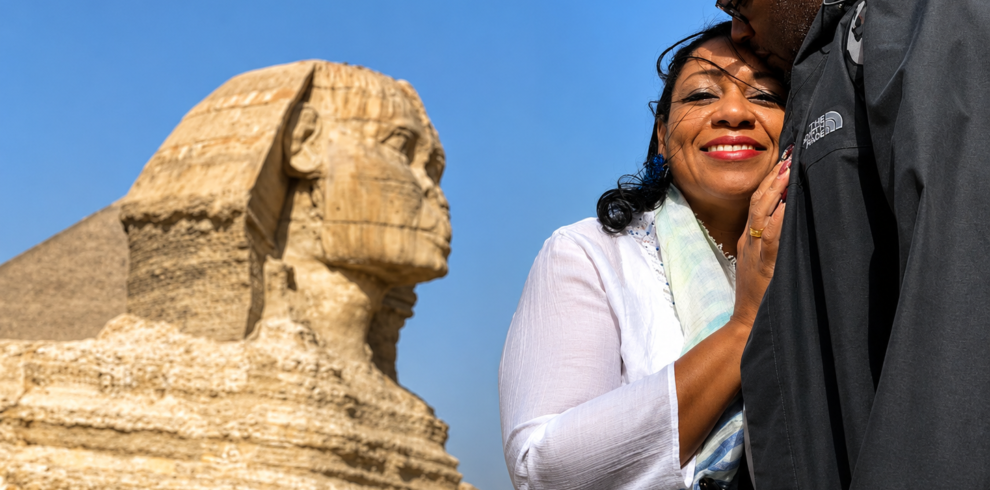
Discover Egypt on an unforgettable 16-Day Egypt Tour Package: Pyramids, Nile Cruise, Sinai & Red Sea, a private journey combining…
Discover Egypt on an unforgettable 16-Day Egypt Vacation Package: Pyramids, Luxor, Aswan, Sinai & Hurghada, a private journey combining ancient…
Recommended Egypt Tours
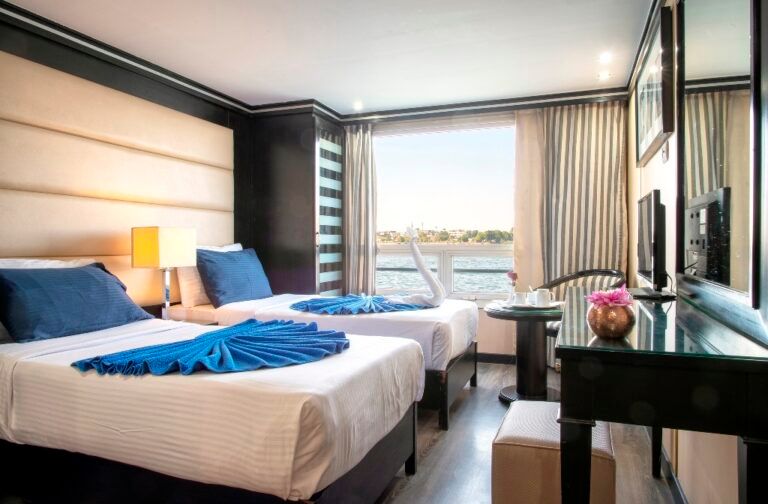
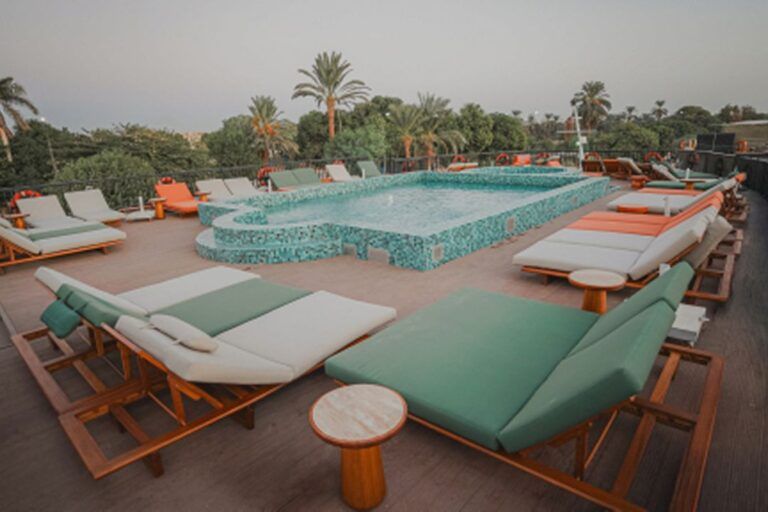
Why You Can Trust Let's Explore Egypt
This article was written and reviewed by the Let's Explore Egypt Editorial Team, a licensed Egyptian tour operator specializing in private Egypt tours, Nile cruises, and tailor-made travel experiences since 2009.
- 🏛 Licensed Egyptian Tour Operator Since 2009
- ⭐ Trusted by Thousands of Travelers Worldwide
- 👨🏫 Written & Reviewed by Local Egypt Travel Experts
- 🚐 Private Tours & Tailor-Made Travel Experiences
- 📞 24/7 Customer Support