

Hawara Pyramid at a Glance
- Location: Hawara, Fayoum Governorate, Egypt.
- Pharaoh: Amenemhat III.
- Period: Middle Kingdom, 12th Dynasty.
- Original Height: Approximately 58 metres.
- Construction: A mudbrick core originally covered with limestone.
- Historical Significance: Known for its unusual pyramid structure and its association with the famous ancient Labyrinth described by classical writers.
- What to See: The remains of the pyramid and the surrounding archaeological landscape.
- Best For: History lovers, archaeology enthusiasts, and travellers exploring lesser-known ancient Egyptian sites.
- Travel Tip: Check local access conditions before visiting and consider combining Hawara Pyramid with other attractions in Fayoum.
The Hawara Pyramid is one of the most fascinating ancient monuments in Fayoum, Egypt. Built for Pharaoh Amenemhat III during the Twelfth Dynasty of the Middle Kingdom, the pyramid is famous for its unusual mudbrick structure, sophisticated burial design, and connection to the legendary Labyrinth of Egypt.
Although much of the original complex has disappeared, Hawara remains an important archaeological site for travelers interested in ancient Egyptian history beyond the famous pyramids of Giza.
Located near the modern city of Fayoum, the site offers an opportunity to explore the region’s ancient royal heritage and understand how Egyptian rulers developed new architectural techniques during the Middle Kingdom.
In this guide, you will learn about the history of Hawara Pyramid, the mystery of the Labyrinth, how to plan a visit, and which nearby attractions you can combine with your trip.
Where Is Hawara Pyramid?
Hawara Pyramid is located in the village of Hawara, southeast of the city of Fayoum in Egypt. It stands near the Bahr Yusuf canal, which carries Nile water into the Fayoum Depression.
The location makes it a possible stop for travelers exploring Fayoum’s archaeological sites, rural landscapes, and natural attractions.
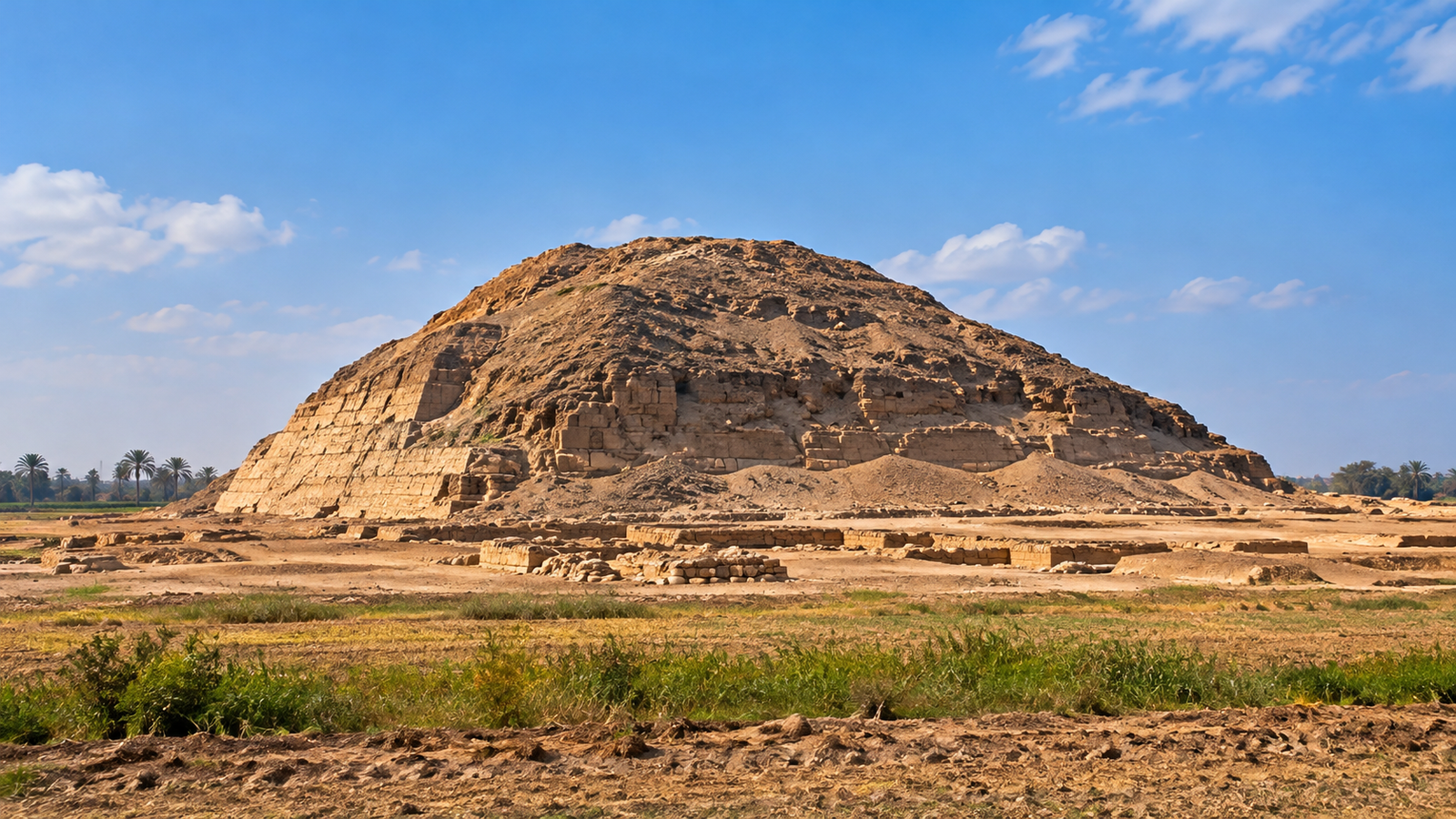
Unlike the pyramids of Giza, Hawara is not a large, smooth-sided limestone monument today. Much of its original outer casing has disappeared, leaving a weathered structure that reveals the mudbrick core beneath.
Visitors should check current access arrangements before traveling, particularly if they want to combine the pyramid with other sites in the region.
Who Built the Hawara Pyramid?
The Hawara Pyramid was built for Pharaoh Amenemhat III, one of the important rulers of Egypt’s Twelfth Dynasty.
Amenemhat III ruled during the Middle Kingdom, a period associated with political stability, economic activity, and major construction projects. Fayoum received considerable attention during this era because of its agricultural potential and connection to the Nile’s water system.
The king is associated with two pyramid projects: one at Dahshur and another at Hawara. The Hawara monument is generally understood to have become his principal royal burial complex.
Its design reflects the architectural challenges faced by builders of Middle Kingdom pyramids, who experimented with different construction techniques and internal security systems.
How Was the Hawara Pyramid Built?
The pyramid originally had a core made largely of mudbrick, with an outer casing of fine limestone. Over time, much of the limestone was removed for reuse in other buildings, leaving the structure in a heavily weathered condition.
The original monument was approximately 58 meters high, although its present appearance is very different from its original form.
One of the most remarkable aspects of Hawara is its internal burial design. The builders developed a complicated system of corridors and blocking mechanisms intended to protect the royal burial chamber.
The chamber was constructed using enormous quartzite blocks, demonstrating the engineering capabilities of ancient Egyptian builders.
Today, the interior is not generally open to ordinary visitors, so do not plan your trip on the assumption that you will be able to enter the pyramid.
The Mystery of the Lost Labyrinth
Hawara is closely associated with the ancient structure known as the Labyrinth of Egypt.
This enormous mortuary temple once stood near the pyramid and was described by classical writers as an extraordinary architectural complex. Herodotus wrote about its many rooms and courtyards, presenting it as a remarkable achievement of ancient Egyptian construction.
The temple was so complex that later writers compared it with the legendary Labyrinth associated with the Greek story of the Minotaur.
Unfortunately, most of the original structure was dismantled over the centuries, and little survives above ground today. Archaeological remains have helped researchers investigate the complex, but its complete original appearance cannot be reconstructed with certainty.
For modern visitors, the Labyrinth is therefore best understood as a lost monument known through ancient descriptions and archaeological investigation rather than as a building that can still be explored in full.
Why Is Hawara Pyramid Important?
Hawara is important for several reasons.
Middle Kingdom architecture: The pyramid provides evidence of the construction methods and engineering solutions used during the Twelfth Dynasty.
Royal burial traditions: Its internal design illustrates the effort ancient builders made to protect royal burial chambers.
The lost Labyrinth: The associated mortuary temple became famous in ancient literature, making Hawara significant to the history of Egyptian architecture.
Fayoum’s archaeological heritage: The site demonstrates that the region was an important center of royal activity, not simply an agricultural landscape.
Fayum mummy portraits: Archaeological excavations in the wider Hawara cemetery uncovered famous Roman-period mummy portraits, which are now held in collections around the world.
These discoveries connect the site with different periods of Egyptian history, from the Middle Kingdom to the Greco-Roman era.
What Can You See at Hawara Today?
Visitors should approach Hawara with realistic expectations. Much of the original pyramid casing and the famous temple complex have disappeared.
The main experience is understanding the surviving monument and imagining its original place within a larger royal complex.
During your visit, you may be able to:
- Observe the remaining pyramid structure from permitted areas.
- Appreciate the contrast between the original mudbrick core and the monument’s lost limestone casing.
- Learn about Amenemhat III and Middle Kingdom architecture.
- Understand the archaeological significance of the lost Labyrinth.
- Explore the surrounding landscape and nearby parts of Fayoum, subject to access arrangements.
Hawara is particularly rewarding for visitors who enjoy archaeological history and are interested in monuments that look very different from the famous pyramids of Giza.
Best Time to Visit Hawara Pyramid
The cooler months, particularly autumn, winter, and spring, are often more comfortable for visiting archaeological sites in Fayoum.
During summer, high temperatures can make outdoor exploration difficult, especially around midday.
For a more comfortable experience:
- Start early in the day.
- Carry drinking water and sun protection.
- Wear comfortable walking shoes.
- Check opening arrangements before leaving.
- Allow enough time for travel between Hawara and other attractions.
Always verify current opening hours and ticket information with the relevant authorities before your visit.
How to Get to Hawara Pyramid from Cairo
Hawara can be visited as part of a trip from Cairo to Fayoum. Travel time depends on traffic, the departure point, and the route taken.
By Private Car
A private car offers flexibility if you want to visit Hawara alongside other archaeological sites. Confirm the approach road and available parking before traveling.
By Private Tour
A private tour can help coordinate transportation and combine Hawara with selected attractions in Fayoum. Before booking, confirm that Hawara is explicitly included in the itinerary and ask about entrance fees and guiding arrangements.
By Public Transportation
Public transportation can take travelers toward Fayoum and nearby towns, but reaching the archaeological site may require additional local transport. Check current services and return arrangements before setting out.
What to Combine with Hawara Pyramid
Qasr Qarun Temple
Qasr Qarun is another important archaeological landmark in Fayoum. It offers a different historical experience and can complement a trip focused on the region’s ancient monuments.
Read our Qasr Qarun Temple guide when planning your archaeological itinerary.
Lake Qarun
Lake Qarun offers a change of scenery after exploring archaeological sites. Its shoreline and surrounding landscapes are suitable for a relaxed stop, depending on your route.
Explore our Lake Qarun Egypt guide for more information.
Tunis Village
Tunis Village is known for its pottery traditions and rural atmosphere. It is a good option for travelers who want to balance history with local culture.
Discover more in our Tunis Village Fayoum guide.
Is Hawara Pyramid Worth Visiting?
Hawara Pyramid is worth considering if you are interested in ancient Egyptian history, Middle Kingdom architecture, and the mysteries of lost monuments.
It does not offer the dramatic appearance of the pyramids at Giza, and much of its associated temple has disappeared. Its value lies in the history behind the surviving structure and its connection to the legendary Labyrinth.
For travelers exploring Fayoum, Hawara can add an archaeological dimension to an itinerary that also includes lakes, villages, and natural landscapes.
Frequently Asked Questions About Hawara Pyramid
Where is Hawara Pyramid located?
It is located near the village of Hawara in Fayoum Governorate, southeast of the city of Fayoum in Egypt.
Who built Hawara Pyramid?
The pyramid was built for Pharaoh Amenemhat III of Egypt’s Twelfth Dynasty during the Middle Kingdom.
What is the Labyrinth of Egypt?
The Labyrinth was the name used by classical writers for the large mortuary temple associated with Hawara Pyramid. Most of the temple has disappeared, and its original layout cannot be fully reconstructed.
Can visitors enter Hawara Pyramid?
Do not assume that the interior is open to visitors. Check current access arrangements with the relevant authorities before planning your visit.
How long should I spend at Hawara Pyramid?
The time required depends on access arrangements and your interest in the site’s history. Allow additional time if you are combining Hawara with other archaeological sites in Fayoum.
Can I visit Hawara Pyramid from Cairo in one day?
Yes, it can be included in a day trip, although the number of other attractions you can visit will depend on your route and available time.
Is Hawara Pyramid similar to the Pyramids of Giza?
Both are ancient Egyptian royal pyramids, but Hawara’s mudbrick core and heavily weathered condition make it look very different from the surviving limestone-cased pyramids at Giza.
Plan Your Fayoum Archaeological Trip
Hawara Pyramid offers a fascinating look at the architectural ambition of Middle Kingdom Egypt and the history of a temple complex that became legendary in antiquity.
If you are planning a wider visit to the region, begin with our Fayoum Travel Guide and select the archaeological and natural attractions that best match your interests.
Plan your route in advance, verify current access arrangements, and leave time to appreciate the history behind this remarkable site.
1. How to Get to Hawara Pyramid from Cairo
If you are planning to visit Hawara Pyramid from Cairo, it is helpful to plan your transportation to Fayoum in advance. Read our guide on how to get from Cairo to Fayoum for useful information about reaching the governorate and organizing your trip.
2. What to Combine with Hawara Pyramid
Hawara Pyramid can be part of a wider day trip exploring the landscapes and archaeological sites of Fayoum. Travellers who want to experience the desert by 4×4 vehicle can discover our Fayoum safari from Cairo and consider combining it with other stops according to their schedule.
3. What to Combine with Hawara Pyramid
If you have more time in Fayoum, consider visiting Wadi El Rayan Waterfalls, a well-known natural attraction in the region. Combining historical sites with Fayoum’s lakes and desert landscapes can make your visit more varied and memorable.
4. Beginning or End of the Article
Planning to explore more than Hawara Pyramid? Read our complete Fayoum travel guide for an overview of the region’s attractions and ideas for organizing your visit.
Recommended Egypt Tours



Why You Can Trust Let's Explore Egypt
This article was written and reviewed by the Let's Explore Egypt Editorial Team, a licensed Egyptian tour operator specializing in private Egypt tours, Nile cruises, and tailor-made travel experiences since 2009.
- 🏛 Licensed Egyptian Tour Operator Since 2009
- ⭐ Trusted by Thousands of Travelers Worldwide
- 👨🏫 Written & Reviewed by Local Egypt Travel Experts
- 🚐 Private Tours & Tailor-Made Travel Experiences
- 📞 24/7 Customer Support