

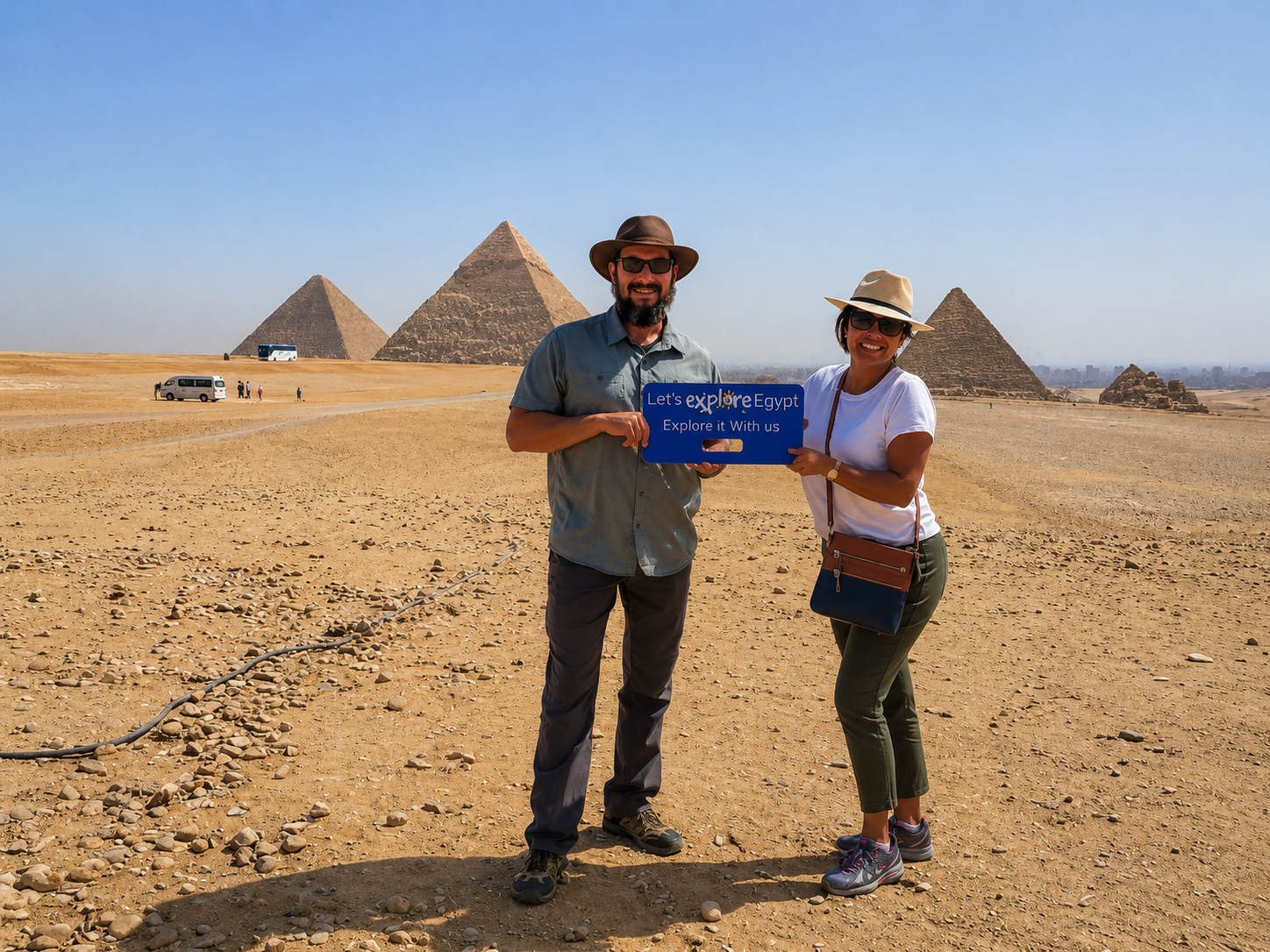
Planning a trip to Egypt? Whether you’re dreaming of standing in front of the Great Pyramids of Giza, sailing along the Nile River, exploring the temples of Luxor, relaxing on the beaches of Hurghada, or diving in the crystal-clear waters of the Red Sea, packing the right items can make your journey far more comfortable.
Egypt is a destination unlike any other. It combines ancient history, vibrant cities, golden deserts, beautiful coastlines, and warm hospitality. Because you’ll likely experience different climates and activities during your trip, knowing what to pack before you arrive is essential.
This complete Egypt packing guide covers everything you need—from clothing and travel documents to electronics, medications, footwear, and useful travel accessories. Whether you’re visiting for a few days or several weeks, this checklist will help you travel with confidence.
Why Packing for Egypt Is Different
Egypt offers a wide variety of experiences. In one trip, you might:
- Walk around the Giza Pyramids under the desert sun.
- Explore ancient tombs in Luxor.
- Enjoy a luxury Nile cruise.
- Visit bustling markets in Cairo.
- Relax at a Red Sea resort.
- Take a desert safari.
- Visit mosques and historical Islamic sites.
Because of this diversity, packing for Egypt requires a little more planning than packing for a typical beach holiday.
Fortunately, you don’t need to bring everything. The key is choosing lightweight, comfortable, and practical items that suit Egypt’s climate and culture.
Understanding Egypt’s Weather
One of the biggest mistakes travelers make is assuming Egypt is always extremely hot. While summers can be very warm, winter months are surprisingly pleasant, especially in Cairo and Upper Egypt.
Spring (March – May)
Spring is one of the best seasons to visit Egypt. Temperatures are warm without being overwhelming.
Average temperatures:
- Cairo: 20–30°C (68–86°F)
- Luxor: 25–37°C (77–99°F)
Pack:
- T-shirts
- Light trousers
- Comfortable walking shoes
- Light jacket for evenings
Summer (June – August)
Summer can be extremely hot, especially in Luxor, Aswan, and the desert.
Temperatures often exceed:
- Cairo: 38°C (100°F)
- Luxor: 45°C (113°F)
Recommended clothing:
- Breathable cotton shirts
- Linen clothing
- Sunglasses
- Wide-brim hat
- High SPF sunscreen
Avoid dark-colored clothing because it absorbs more heat.
Autumn (September – November)
Autumn offers pleasant weather and fewer extreme temperatures.
Bring:
- Light clothing
- Comfortable sneakers
- Thin sweater for evenings
Winter (December – February)
Winter is one of the most popular times to visit Egypt.
Daytime temperatures remain comfortable, while evenings can become chilly.
Average temperatures:
- Cairo: 10–22°C (50–72°F)
- Luxor: 9–26°C (48–79°F)
Pack:
- Jeans
- Long sleeves
- Light jacket
- Scarf
- Closed shoes
Essential Travel Documents
Before leaving home, organize all important travel documents.
Your checklist should include:
✔ Passport (valid for at least six months)
✔ Egyptian visa (if required)
✔ Flight tickets
✔ Hotel reservations
✔ Tour confirmations
✔ Travel insurance
✔ Emergency contact information
✔ Copies of your passport
✔ Credit cards
✔ Some cash in Egyptian Pounds for small purchases
Keep digital copies of all important documents on your phone and in cloud storage.
Clothing Checklist for Egypt
Choosing the right clothing is one of the most important parts of packing.
Egypt is generally conservative, especially outside tourist resorts, so lightweight clothing that covers your shoulders and knees is often the most comfortable and respectful option.
Pack:
- 6–8 lightweight T-shirts
- 2–3 long-sleeve shirts
- 3 pairs of lightweight trousers
- 2 pairs of shorts (for resorts)
- Comfortable dresses
- Light cardigan
- Pajamas
- Underwear
- Socks
- Swimsuit
- Sleepwear
Choose breathable fabrics like cotton and linen whenever possible.
What Women Should Wear in Egypt
Many women wonder if there is a dress code in Egypt.
The answer is simple: tourists are welcome to wear what makes them comfortable, but modest clothing is appreciated, especially when visiting religious sites or local neighborhoods.
Recommended clothing includes:
- Maxi dresses
- Linen trousers
- Midi skirts
- Cotton tops
- Light scarf
- Comfortable sandals
- Sneakers
A scarf is especially useful because it can protect you from both the sun and dust, and it may be needed when entering certain mosques.
Avoid very revealing clothing when visiting historical or religious attractions.
What Men Should Wear in Egypt
Men can dress casually throughout Egypt.
Recommended items:
- Polo shirts
- Cotton T-shirts
- Chino trousers
- Lightweight shorts (at beach resorts)
- Comfortable walking shoes
- Baseball cap
- Sunglasses
Avoid heavy jeans during the summer months.
What Should Kids Pack?
Egypt is a fantastic destination for families.
Children should bring:
- Extra T-shirts
- Comfortable shorts
- Sun hat
- Swimwear
- Reusable water bottle
- Snacks
- Favorite toys
- Sunscreen
- Children’s medications
Lightweight clothing helps children stay comfortable during sightseeing.
The Best Shoes for Egypt
You’ll walk much more than you expect.
Ancient sites often have uneven ground, sand, and stone pathways.
Bring:
✔ Comfortable walking sneakers
✔ Sandals
✔ Flip-flops for hotels
✔ Water shoes (if snorkeling)
Avoid bringing brand-new shoes, as they may cause blisters during long sightseeing days.
What to Wear at the Giza Pyramids
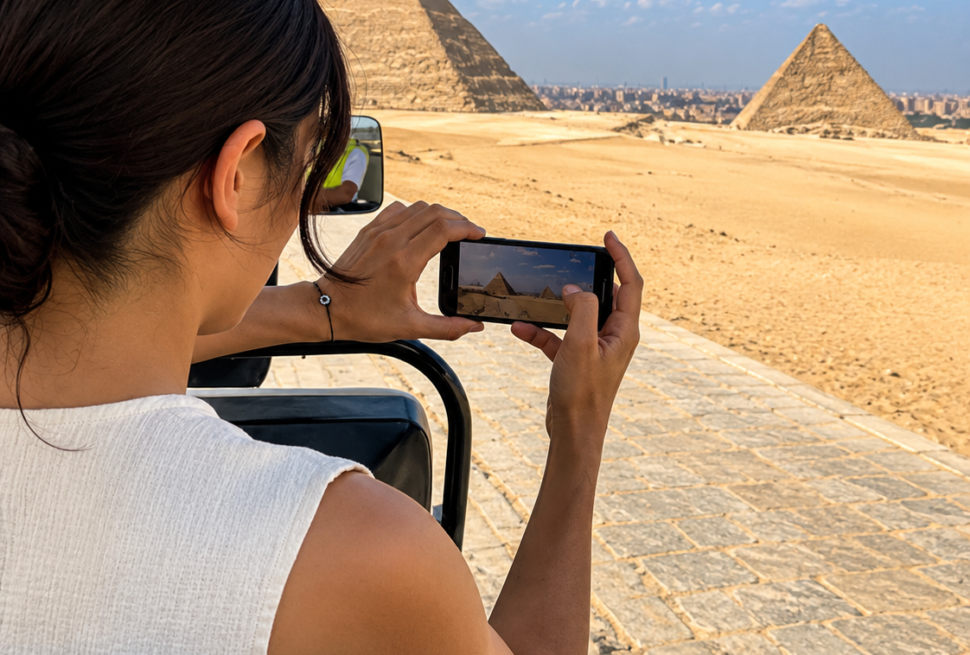
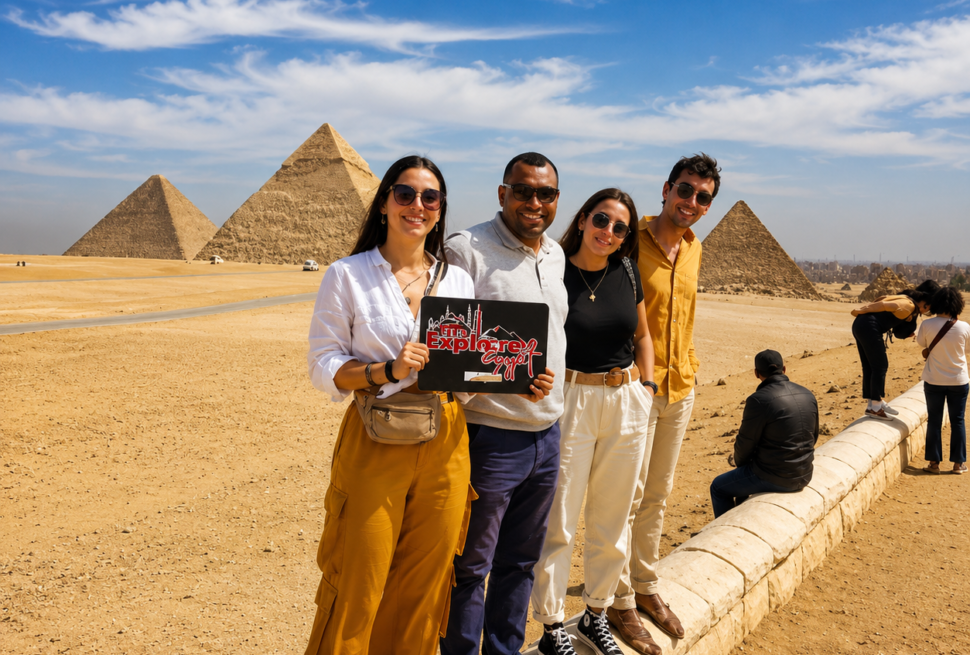
The Giza Pyramids are one of the most visited attractions in the world, and you’ll likely spend several hours walking under the Egyptian sun. The terrain is a mix of sand, rocks, and uneven pathways, so comfort is far more important than fashion.
Recommended Outfit
For the best experience, wear:
- Lightweight cotton or linen clothing
- Breathable T-shirts or long-sleeved shirts
- Comfortable walking shoes or sneakers
- Sunglasses with UV protection
- A wide-brim hat or baseball cap
- A small backpack for essentials
Light-colored clothing reflects sunlight and helps you stay cooler throughout the day.
Photography Tips
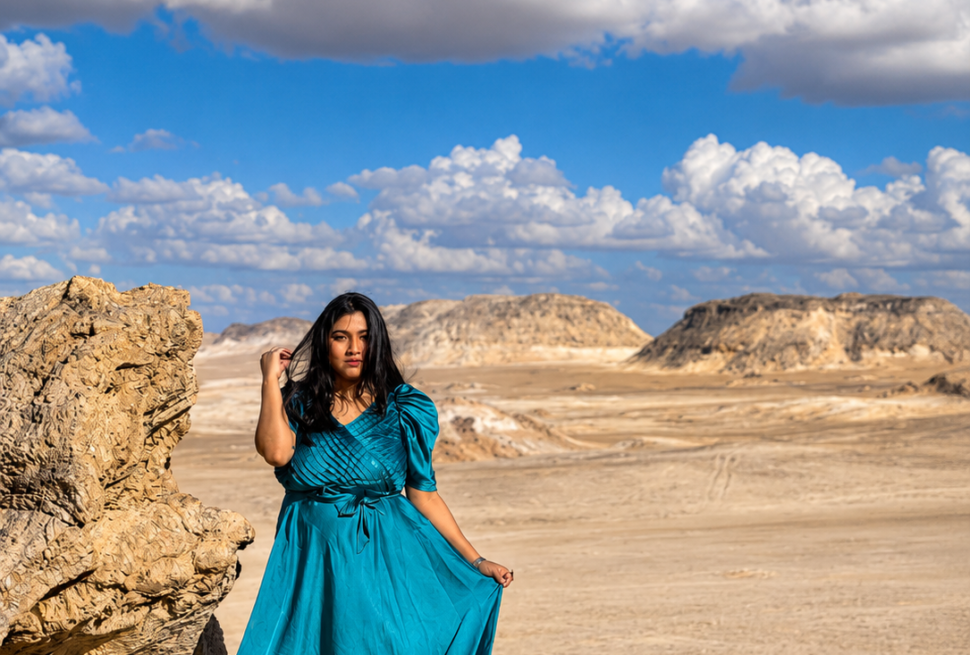
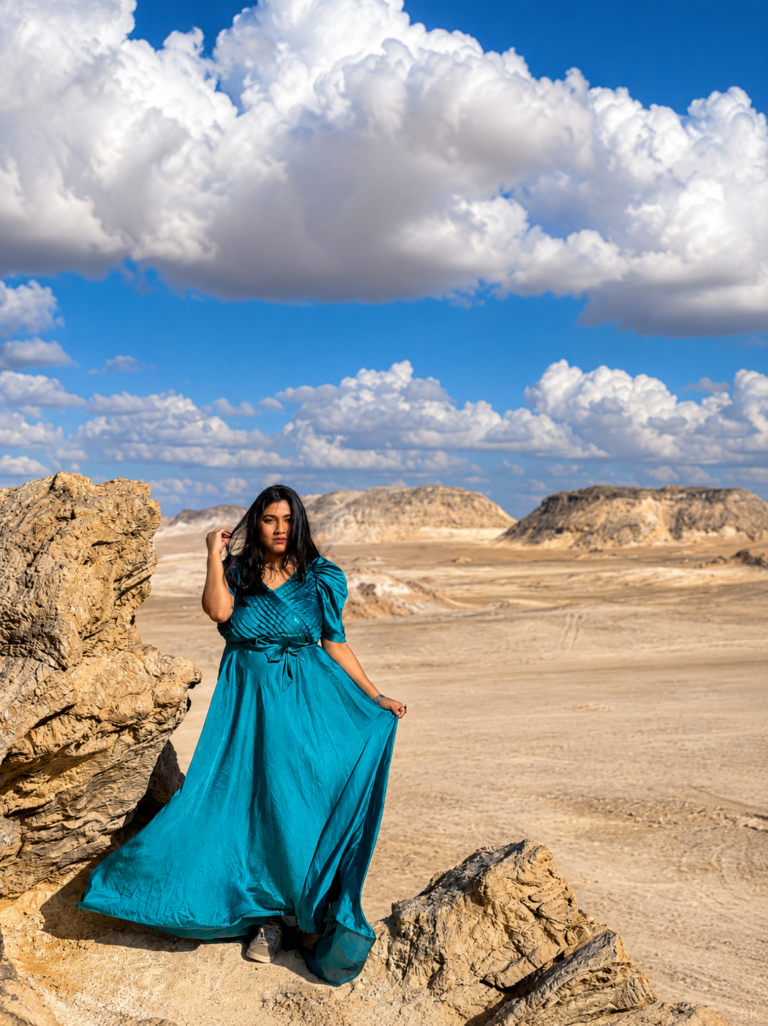
Many travelers plan photo sessions at the pyramids. Neutral colors such as white, beige, cream, light blue, olive green, and soft earth tones photograph beautifully against the golden desert landscape.
Flowing dresses and linen outfits are popular choices because they create elegant movement in photos while remaining comfortable.
What to Avoid
Avoid wearing:
- High heels
- Heavy jackets
- Thick denim
- Dark-colored clothing
- Shoes with poor grip
Remember that you’ll be climbing small hills, walking across sand, and exploring archaeological sites.
What to Wear When Visiting Mosques
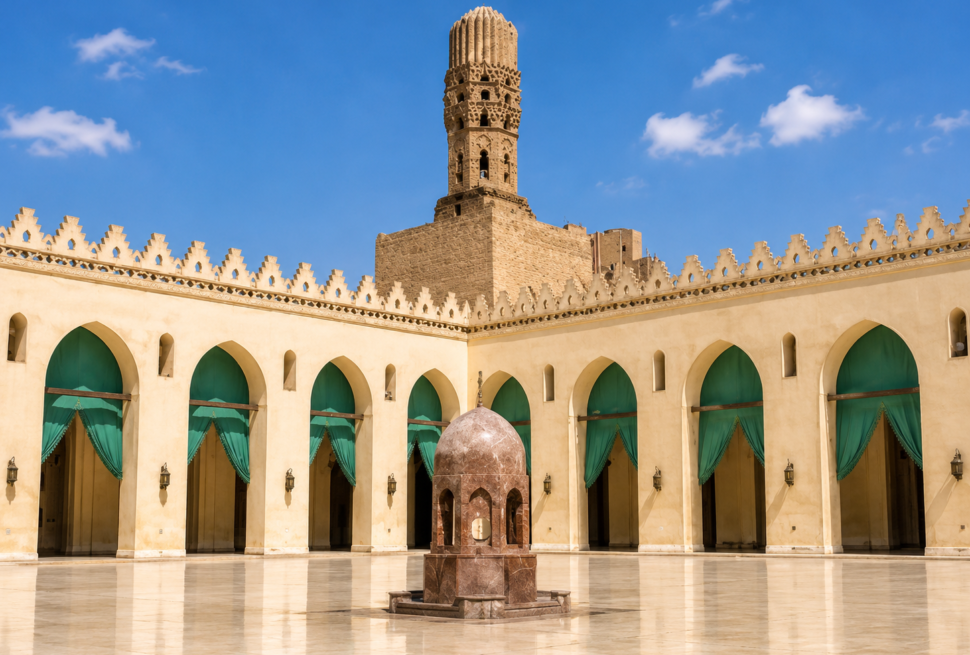
Egypt is home to some of the most beautiful Islamic monuments in the world, including the Mosque of Muhammad Ali, Al-Azhar Mosque, and Sultan Hassan Mosque.
Visitors are welcome, but respectful clothing is expected.
For Women
Women should wear clothing that covers the shoulders and knees. Some mosques may require visitors to cover their hair, so carrying a lightweight scarf is a good idea.
For Men
Men should avoid sleeveless shirts when entering religious sites. Long trousers are recommended.
Shoes
Shoes must be removed before entering the prayer area, so wearing footwear that’s easy to take off is convenient.
Packing for Cairo
Cairo is a lively city where you’ll spend time walking through museums, markets, restaurants, and historical neighborhoods.
Essentials for Cairo
- Comfortable walking shoes
- Crossbody bag or anti-theft backpack
- Reusable water bottle
- Portable charger
- Sunglasses
- Sunscreen
- Hand sanitizer
- Tissues
- Light scarf
If you’re visiting Khan El Khalili Bazaar, it’s also helpful to carry some small cash for souvenirs and local purchases.
Packing for Luxor & Aswan
Luxor and Aswan are warmer than Cairo for most of the year.
You’ll spend hours exploring temples such as Karnak, Luxor Temple, the Valley of the Kings, Philae Temple, and Abu Simbel.
Bring:
- Extra sunscreen
- Cooling towel
- Comfortable walking shoes
- Wide-brim hat
- Electrolyte tablets
- Lightweight backpack
- Refillable water bottle
Start sightseeing early in the morning to avoid the hottest part of the day.
Packing for a Nile Cruise
A Nile cruise combines sightseeing with relaxing evenings on board.
Pack clothing for both activities.
Daytime
- T-shirts
- Shorts (on the ship)
- Linen trousers
- Sandals
- Sunglasses
Evening
Most cruises have smart-casual dinners.
Pack:
- Polo shirts
- Summer dresses
- Light trousers
- Casual shoes
You don’t need formal evening wear unless your cruise specifically requests it.
Packing for the Red Sea
Whether you’re visiting Hurghada, Sharm El Sheikh, Marsa Alam, or El Gouna, beachwear becomes essential.
Don’t Forget
- Swimsuits
- Flip-flops
- Beach towel
- Rash guard
- Snorkeling mask (optional)
- Waterproof phone pouch
- Reef-safe sunscreen
- Beach bag
- Sun hat
Many hotels provide towels, but it’s always worth checking before you travel.
Packing for Desert Tours
A desert safari is completely different from exploring Cairo.
During the day, temperatures can be very high, while evenings become surprisingly cool.
Pack
- Long lightweight trousers
- Breathable shirt
- Closed shoes
- Hat
- Sunglasses
- Sunscreen
- Lip balm
- Light jacket for sunset
- Dust scarf or neck gaiter
Avoid sandals during desert excursions because sand can quickly become uncomfortable.
Sun Protection Essentials
The Egyptian sun is powerful throughout most of the year.
Make sure your bag includes:
- SPF 50 sunscreen
- Lip balm with SPF
- Sunglasses
- Hat
- Cooling towel
- Aloe vera gel
- Reusable water bottle
Apply sunscreen every two hours, especially if you’re spending the day outdoors.
Toiletries to Pack
Although toiletries are available throughout Egypt, bringing your preferred products saves time and ensures comfort.
Recommended Items
- Toothbrush
- Toothpaste
- Shampoo
- Conditioner
- Soap
- Deodorant
- Razor
- Moisturizer
- Face wash
- Wet wipes
- Hand sanitizer
- Tissues
- Hairbrush
- Nail clippers
Travel-sized bottles help save luggage space.
Medicines to Bring
It’s always wise to carry a small personal first-aid kit.
Pack:
- Pain relievers
- Allergy medication
- Anti-diarrheal medicine
- Motion sickness tablets
- Bandages
- Antiseptic wipes
- Insect repellent
- Prescription medications
- Rehydration salts
If you take prescription medication, keep it in its original packaging and carry enough for your entire trip.
Electronics and Travel Gadgets
Modern travelers rely on technology every day.
Your electronics checklist should include:
- Smartphone
- Camera
- Camera batteries
- Memory cards
- Phone charger
- Power bank
- Universal travel adapter
- Laptop or tablet (if needed)
- Smartwatch charger
- Headphones
Egypt uses Type C and Type F electrical plugs with a standard voltage of 220V and a frequency of 50Hz. A universal travel adapter is useful if your country’s plug type is different.
Money & Currency Tips for Traveling in Egypt
Managing your money wisely is just as important as packing the right clothes. While major hotels, shopping malls, and many restaurants accept credit cards, cash is still essential for smaller purchases.
You’ll often need Egyptian Pounds (EGP) for:
- Small cafés
- Street food
- Local markets
- Public restrooms
- Tips (known locally as baksheesh)
- Taxi fares
- Small souvenir shops
Should You Bring Cash?
It’s a good idea to carry a combination of:
- Credit card
- Debit card
- Small amount of cash
- Emergency backup card
Avoid carrying all your money in one place. Divide your cash between your wallet, hotel safe, and luggage for extra security.
SIM Cards & Internet in Egypt
Staying connected makes traveling around Egypt much easier.
You can buy a local SIM card upon arrival at Cairo International Airport or from official stores in major cities.
Popular mobile providers include:
- Vodafone Egypt
- Orange Egypt
- WE
- e& Egypt
Most tourist SIM packages include plenty of data at affordable prices, making it easy to use maps, book transportation, share photos, and stay in touch with family.
If your phone supports eSIM, check whether your carrier or a travel eSIM provider offers coverage in Egypt before your trip.
Food & Water Tips
Egypt offers incredible cuisine, from traditional dishes like koshari and falafel to grilled meats and fresh seafood. While most travelers enjoy the food without issues, a few simple precautions can help you stay healthy.
Drinking Water
Drink bottled or filtered water rather than tap water if you’re not accustomed to the local supply.
Eat Fresh
Choose restaurants with good hygiene and freshly prepared meals.
Stay Hydrated
The warm climate can lead to dehydration, especially during sightseeing. Carry a reusable water bottle and drink regularly throughout the day.
Safety Items Worth Packing
Egypt is generally welcoming to tourists, but it’s always wise to travel prepared.
Consider packing:
- Small first-aid kit
- Hand sanitizer
- Wet wipes
- Reusable shopping bag
- Flashlight or headlamp
- Luggage lock
- Money belt (optional)
- Portable door lock (for extra peace of mind)
- Emergency whistle (optional)
These lightweight items take up little space and can be useful throughout your trip.
Photography Equipment
Egypt is one of the world’s most photogenic destinations. From sunrise over the pyramids to colorful Nubian villages and coral reefs, you’ll likely take hundreds of photos.
Recommended Gear
- Camera
- Smartphone
- Extra memory cards
- Spare batteries
- Portable charger
- Lightweight tripod (where permitted)
- Lens cleaning cloth
- Waterproof pouch for beach trips
If you plan to photograph temples or museums, remember that some locations may have specific photography rules or require an additional camera ticket.
Carry-On Bag Essentials
Your carry-on should contain everything you’ll need during the flight and in case your checked luggage is delayed.
Pack in Your Carry-On
- Passport
- Visa documents
- Boarding pass
- Wallet
- Phone
- Chargers
- Power bank
- Headphones
- Prescription medication
- Toothbrush
- Travel-size toiletries
- Reusable water bottle (empty before security)
- Lightweight sweater
- Snacks
- Book or e-reader
- Pen for arrival forms
Having these essentials with you ensures a smoother travel experience.
Family Packing Tips
Egypt is an excellent destination for families, and packing strategically can make sightseeing much easier.
For Families
Bring:
- Baby wipes
- Snacks
- Refillable water bottles
- Sun hats
- Extra clothing
- Small toys or coloring books
- Lightweight stroller (if needed)
- Children’s medications
- Portable fan
Plan sightseeing in the early morning to avoid the hottest hours, especially with young children.
Solo Traveler Packing Tips
If you’re traveling alone, prioritize convenience and security.
Useful Items
- Anti-theft backpack
- Portable charger
- Crossbody bag
- Digital copies of important documents
- Reusable water bottle
- Lightweight daypack
Share your itinerary with a family member or friend and keep emergency contact details accessible.
Luxury Traveler Packing Tips
If you’re staying at luxury hotels or taking a premium Nile cruise, you may want to pack a few additional items.
Consider bringing:
- Smart-casual evening outfits
- Comfortable loafers or elegant sandals
- Travel steamer
- Lightweight blazer
- Quality camera
- Portable espresso maker (optional)
- Noise-canceling headphones
Even in luxury settings, comfort remains key during daytime excursions.
What NOT to Pack for Egypt
Packing light will make your journey more enjoyable. Many everyday items are readily available in Egypt, so avoid overpacking.
Leave These at Home
- Heavy winter coats (unless traveling to desert areas in winter)
- High heels for sightseeing
- Expensive jewelry
- Too many outfits
- Large hairdryers (most hotels provide one)
- Full-size shampoo bottles
- Excessive electronics
- Bulky books
- Unnecessary valuables
Remember that you’ll likely want extra luggage space for souvenirs!
Quick Printable Egypt Packing Checklist
Documents
- Passport
- Visa (if required)
- Flight tickets
- Hotel confirmations
- Tour bookings
- Travel insurance
- Credit cards
- Cash (EGP)
Clothing
- T-shirts
- Long-sleeved shirts
- Trousers
- Shorts
- Dresses
- Swimsuit
- Underwear
- Socks
- Light jacket
- Hat
Shoes
- Walking sneakers
- Sandals
- Flip-flops
Toiletries
- Toothbrush
- Toothpaste
- Shampoo
- Soap
- Sunscreen
- Deodorant
- Moisturizer
Electronics
- Phone
- Camera
- Chargers
- Power bank
- Universal adapter
- Headphones
Health
- Prescription medication
- Pain relievers
- Allergy medicine
- Rehydration salts
- Bandages
Accessories
- Sunglasses
- Scarf
- Reusable water bottle
- Backpack
- Wet wipes
- Hand sanitizer
Frequently Asked Questions About Packing for Egypt
1. What should I wear in Egypt?
Lightweight, breathable clothing made from cotton or linen is ideal for Egypt’s warm climate. While there is no strict dress code for tourists, modest clothing is recommended when visiting religious sites and local neighborhoods. Comfortable walking shoes are essential, as many attractions involve uneven surfaces.
2. Can tourists wear shorts in Egypt?
Yes. Tourists commonly wear shorts in beach resorts like Hurghada, Sharm El Sheikh, Marsa Alam, and El Gouna. In cities such as Cairo, Luxor, and Aswan, knee-length shorts or lightweight trousers are generally more comfortable and culturally appropriate.
3. Do women have to wear a headscarf?
No. Female tourists are not required to wear a headscarf in public. However, some mosques ask women to cover their hair before entering, so carrying a lightweight scarf is a good idea.
4. What shoes are best for visiting the Pyramids?
Comfortable sneakers or sturdy walking shoes are the best choice. The Giza Plateau has sand, rocks, and uneven ground, making high heels or thin sandals impractical.
5. Is sunscreen necessary in Egypt?
Absolutely. Egypt enjoys sunshine throughout most of the year, and UV levels can be very high. A broad-spectrum SPF 50 sunscreen, sunglasses, and a hat are highly recommended.
6. Can I buy toiletries in Egypt?
Yes. Supermarkets, pharmacies, and convenience stores sell most toiletries, including sunscreen, shampoo, toothpaste, and personal care products. However, travelers with sensitive skin may prefer to bring their favorite brands.
7. Should I bring cash?
Yes. Although many hotels and restaurants accept credit cards, you’ll need Egyptian Pounds (EGP) for small shops, local cafés, markets, tipping, and taxis.
8. What type of power plug is used in Egypt?
Egypt uses Type C and Type F power plugs with a standard voltage of 220V and a frequency of 50Hz. A universal travel adapter is recommended if your country’s plugs differ.
9. Is tap water safe to drink?
Most visitors prefer bottled or filtered water. Bottled water is inexpensive and widely available across Egypt.
10. Should I pack warm clothes?
Yes, if you’re visiting between November and February. While daytime temperatures are pleasant, evenings in Cairo, Luxor, Aswan, and desert areas can become cool.
11. Can I wear sandals while sightseeing?
Sandals are fine for short walks and resorts, but comfortable sneakers provide better support for long days exploring archaeological sites.
12. Do I need insect repellent?
It’s recommended, especially if you’re taking a Nile cruise, visiting gardens, or traveling during warmer months.
13. Is Egypt suitable for family travel?
Absolutely. Egypt offers family-friendly attractions, educational experiences, beach resorts, and private tours that are perfect for travelers of all ages.
14. What bag should I use during sightseeing?
A lightweight backpack or secure crossbody bag is ideal for carrying water, sunscreen, your camera, and personal belongings.
15. What should I avoid packing?
Avoid bringing bulky luggage, expensive jewelry, unnecessary electronics, and heavy winter clothing unless you’re visiting during the colder months.
Final Packing Tips Before You Fly
Before leaving for the airport, take a few minutes to double-check your essentials:
- Confirm your passport validity.
- Check your airline’s baggage allowance.
- Download offline maps of Cairo, Luxor, and other destinations.
- Save digital copies of your travel documents.
- Charge all electronic devices.
- Inform your bank about your travel plans if necessary.
- Leave some extra space in your suitcase for souvenirs, handmade crafts, spices, perfumes, or papyrus artwork.
Packing smart means you’ll spend less time worrying and more time enjoying Egypt’s incredible history, landscapes, and culture.
Ready for an Unforgettable Egyptian Adventure?
Packing is only the first step. The real adventure begins when you arrive in Egypt.
Whether you’re standing in front of the Great Pyramids of Giza, exploring the treasures of the Grand Egyptian Museum, sailing along the Nile River, discovering the ancient temples of Luxor and Aswan, or relaxing by the crystal-clear waters of the Red Sea, every moment in Egypt creates memories that last a lifetime.
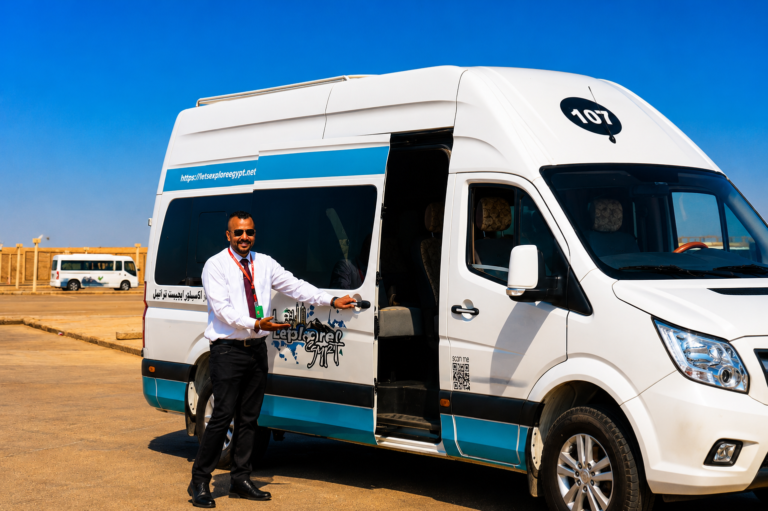
At Let’s Explore Egypt, we specialize in creating unforgettable private tours designed around your interests and schedule. Our experienced Egyptologist guides, comfortable transportation, and personalized service ensure a seamless travel experience from the moment you arrive.
Whether you’re planning a family vacation, honeymoon, solo adventure, or luxury getaway, we’re here to help you experience the very best of Egypt.
Book your Egypt tour today and let us turn your dream
Recommended Egypt Tours
Why You Can Trust Let's Explore Egypt
This article was written and reviewed by the Let's Explore Egypt Editorial Team, a licensed Egyptian tour operator specializing in private Egypt tours, Nile cruises, and tailor-made travel experiences since 2009.
- 🏛 Licensed Egyptian Tour Operator Since 2009
- ⭐ Trusted by Thousands of Travelers Worldwide
- 👨🏫 Written & Reviewed by Local Egypt Travel Experts
- 🚐 Private Tours & Tailor-Made Travel Experiences
- 📞 24/7 Customer Support