

Trip Info
-
Free cancellation up to 24 hour before departure
-
Private Egyptologist
-
English Professional private Egyptologist guiding is included. Other languages: Available upon request, subject to guide availability
-
Luxor, Egypt – Soul of the Nile Dahabiya
-
Luxury Small-Group Nile Dahabiya Cruise
-
Private air-conditioned vehicle
-
1-15
-
Aswan, Egypt
-
1
-
99
Overview
Soul of the Nile Dahabiya offers a refined way to discover Upper Egypt, combining ancient monuments, private guiding, gourmet dining, and slow sailing along the Nile.
This 5-day / 4-night journey from Luxor to Aswan begins in Luxor and travels south through Esna, Edfu, Gebel el-Silsila, and Kom Ombo before reaching Aswan. The cruise departs every Monday and ends in Aswan on Friday.
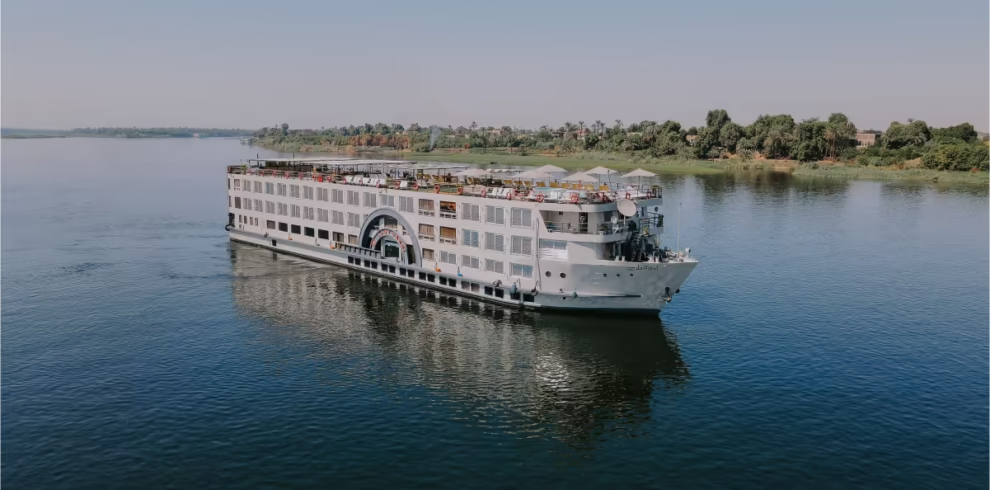
Unlike conventional Nile cruise ships, Soul of the Nile is designed around a quieter and more personal style of travel. The vessel has 12 cabins and 2 suites, with a maximum capacity of 28 guests. Guests can also arrange the entire vessel as a private charter.
The itinerary combines famous attractions such as the Valley of the Kings and Karnak with lesser-visited experiences including Gebel el-Silsila. The journey concludes with an early-morning Abu Simbel excursion, which is included in the Luxor-to-Aswan package.
Highlights
- 5 Days / 4 Nights luxury Dahabiya cruise
- Luxor to Aswan Nile journey
- Small-group luxury sailing experience
- Maximum 28 guests
- Private Egyptologist guide
- Full-board gourmet dining
- Karnak Temple Sound & Light Show
- Valley of the Kings
- Temple of Hatshepsut
- Colossi of Memnon
- Luxor Temple
- Esna Lock
- Edfu Temple
- Gebel el-Silsila
- Kom Ombo Temple
- Philae Temple
- Aswan High Dam
- Abu Simbel excursion included
- Optional sunrise hot-air balloon in Luxor
- Peaceful Nile sailing away from large cruise crowds
- Suitable for couples, honeymooners, families, and private groups
- Private charter available depending on availability
Reviews
Includes/Excludes
Includes
- 4 nights accommodation aboard the Soul of the Nile Dahabiya
- Luxury accommodation in your selected cabin or suite
- Full-board meals throughout the cruise
- Breakfast, lunch, and dinner
- Gourmet dining onboard
- Professional English-speaking Egyptologist
- Private guided sightseeing as mentioned in the itinerary
- Entrance fees to the archaeological sites included in the itinerary
- Karnak Temple Sound & Light Show
- Valley of the Kings
- Temple of Queen Hatshepsut
- Colossi of Memnon
- Luxor Temple
- Edfu Temple
- Gebel el-Silsila
- Kom Ombo Temple
- Philae Temple
- Aswan High Dam
- Unfinished Obelisk
- Abu Simbel excursion
- Boat transportation to Philae Temple
- Horse-drawn carriage transportation in Edfu
- Private air-conditioned transportation during sightseeing
- Arrival transfer in Luxor
- Departure transfer in Aswan
- Daily housekeeping
- Onboard services and facilities
- Mineral water
- Tea and coffee
- Applicable taxes and service charges
Excludes
- International flights
- Domestic flights unless specifically mentioned
- Egypt entry visa
- Travel insurance
- Personal expenses
- Laundry service
- Telephone and internet charges where applicable
- Alcoholic beverages
- Premium or additional drinks
- Tips and gratuities
- Shopping expenses
- Optional tours and activities
- Sunrise hot-air balloon ride in Luxor
- Additional entrance tickets not mentioned in the itinerary
- Private services requested outside the standard program
- Hotel accommodation before or after the cruise
- Any meals or services not specifically mentioned under Includes
More Info
The Soul of the Nile Dahabiya – Luxury Nile Cruise from Luxor to Aswan is an elegant way to explore the ancient treasures of Upper Egypt while enjoying a peaceful and intimate journey along the legendary Nile River. This 5-day, 4-night experience combines luxury accommodation, professional Egyptologist-guided sightseeing, gourmet dining, traditional Nile sailing, and some of the most impressive archaeological sites in Egypt.
Unlike a conventional Nile cruise ship, a Dahabiya offers a smaller and more personal atmosphere. Soul of the Nile accommodates a limited number of guests, allowing travelers to enjoy a quieter journey and more time to appreciate the river, countryside, villages, temples, and landscapes of Upper Egypt.
The journey begins in Luxor and travels south toward Aswan, with carefully selected stops at famous archaeological sites as well as lesser-visited locations. The cruise concludes with an unforgettable excursion to the magnificent temples of Abu Simbel.
Discover Ancient Luxor
Luxor is one of the world’s most important archaeological destinations and the perfect starting point for a Nile adventure. Known in ancient times as Thebes, the city served as a major religious and political center of ancient Egypt.
The Nile divides Luxor into two distinct areas. The East Bank was associated with temples and religious life, while the West Bank became the location of royal tombs and mortuary temples.
Your journey introduces you to both sides of this extraordinary ancient city.
One of the first highlights is the Karnak Temple Sound and Light Show, an atmospheric evening experience that presents the history of ancient Thebes, its rulers, gods, and monumental temples.
The experience provides a memorable introduction to the civilization that flourished along the Nile thousands of years ago.
Explore the Valley of the Kings
The following day, the journey continues to Luxor’s West Bank and the famous Valley of the Kings.
The valley served as a royal burial ground during the New Kingdom. Pharaohs were buried in rock-cut tombs hidden among the desert mountains, where elaborate decorations were created to accompany them into the afterlife.
Many of the tombs contain colorful paintings, hieroglyphic inscriptions, religious texts, and scenes depicting ancient Egyptian beliefs.
Exploring these underground chambers with a professional Egyptologist helps visitors understand the symbolism and religious traditions behind the artwork.
The Valley of the Kings is one of the defining experiences of any journey through Upper Egypt.
Temple of Queen Hatshepsut
After visiting the royal tombs, continue to the spectacular Temple of Queen Hatshepsut at Deir el-Bahari.
The temple was constructed against a dramatic limestone cliff and is arranged across several terraces connected by ramps.
Queen Hatshepsut was one of ancient Egypt’s most notable rulers, and her temple reflects both her political importance and her relationship with the gods.
The location provides excellent photographic opportunities, particularly when the monumental architecture is contrasted with the surrounding desert cliffs.
Colossi of Memnon
The West Bank tour also includes the Colossi of Memnon, two enormous stone statues representing Pharaoh Amenhotep III.
The statues once stood at the entrance of a large mortuary temple. Although much of the original complex has disappeared, the colossal figures remain among Luxor’s most recognizable landmarks.
They offer visitors a sense of the extraordinary scale of ancient Egyptian royal monuments.
Luxor Temple
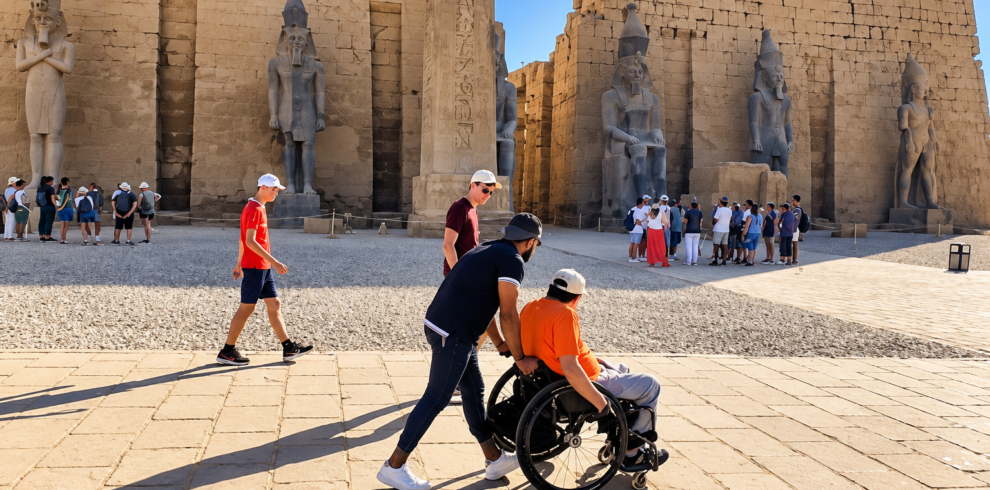
The journey also includes Luxor Temple, located on the East Bank.
The temple contains impressive columns, statues, courtyards, and decorated walls and was closely associated with royal ceremonies and religious traditions.
Its proximity to the Nile and its monumental architecture make it one of the most memorable sites in Luxor.
After exploring the city, return to Soul of the Nile and begin sailing south.
The Magic of Nile Sailing
One of the greatest attractions of a Dahabiya journey is the sailing itself.
Instead of simply traveling between archaeological sites, guests have time to experience the Nile as an important part of the journey.
As the Dahabiya moves south, the landscape changes continuously. Fertile agricultural fields line sections of the river, while palm trees, traditional villages, fishermen, small boats, and desert landscapes create an authentic view of life along the Nile.
The slower rhythm allows travelers to relax between excursions.
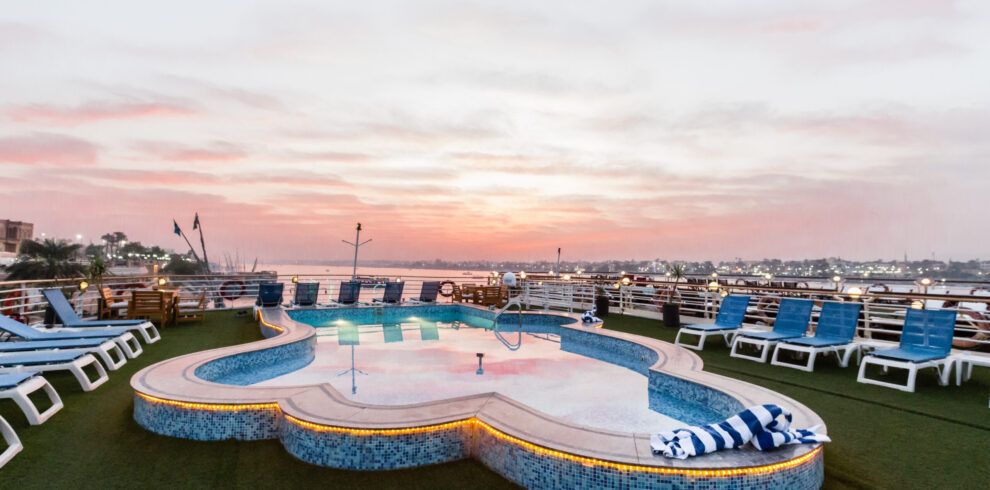
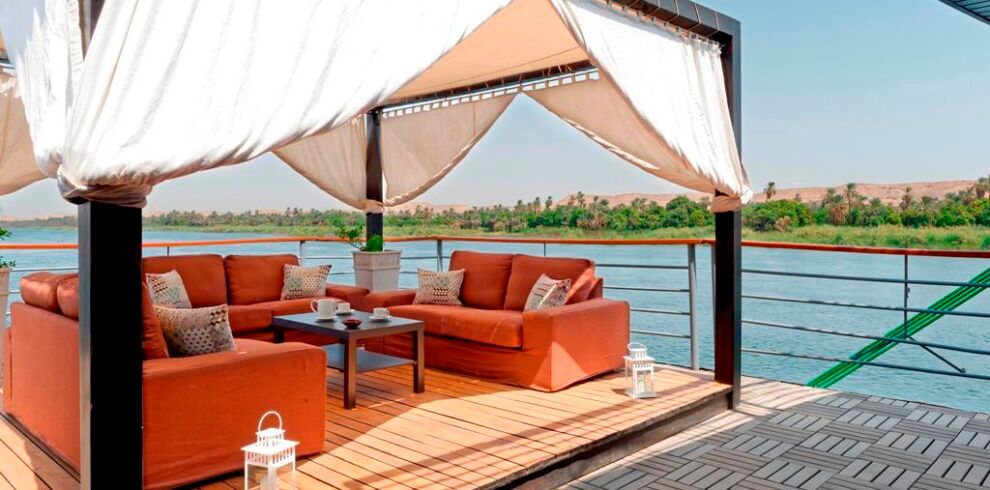
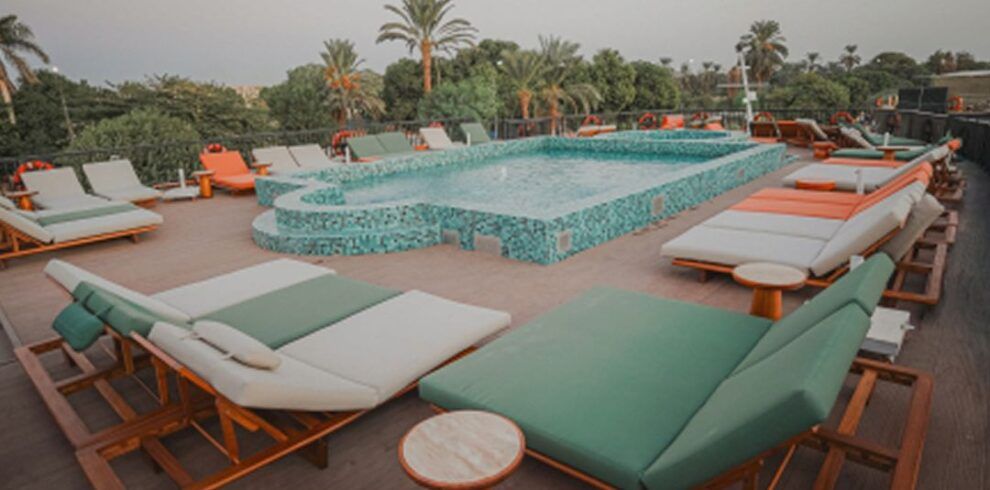
You can spend time on deck, enjoy the scenery, read, take photographs, or simply watch the sunset over the river.
This peaceful atmosphere is one of the main reasons travelers choose a Dahabiya instead of a large cruise ship.
Edfu Temple
One of the major archaeological stops is Edfu Temple, dedicated to the falcon-headed god Horus.
Edfu is considered one of the best-preserved ancient Egyptian temples. Its massive entrance, towering walls, columns, courtyards, and detailed reliefs provide visitors with an excellent example of ancient temple architecture.
The journey to the temple can include a traditional horse-drawn carriage ride through Edfu, adding a distinctive local experience.
Inside the temple, the Egyptologist explains the mythology of Horus, the history of the temple, and the meaning of the reliefs and inscriptions.
After exploring Edfu, return to the Dahabiya and continue the journey south.
Gebel el-Silsila
The journey continues toward Gebel el-Silsila, one of the most interesting and less crowded archaeological areas along the Nile.
Gebel el-Silsila was an important source of sandstone used in the construction of many Egyptian temples and monuments.
The area contains ancient quarries, rock-cut shrines, tombs, inscriptions, and other archaeological remains.
A visit here provides a different perspective on ancient Egyptian civilization because travelers can learn not only about the temples that were built but also about the materials and techniques used to construct them.
The quieter atmosphere makes Gebel el-Silsila particularly enjoyable for travelers who want to experience a less-touristy side of the Nile Valley.
Kom Ombo Temple
The next major stop is Kom Ombo Temple, famous for its unusual dedication to two gods: Sobek, the crocodile god, and Horus the Elder.
The temple’s design reflects this dual dedication, with many architectural elements arranged symmetrically.
Inside the complex, visitors can see impressive reliefs, columns, courtyards, and sanctuaries.
The temple also provides insight into ancient Egyptian religious beliefs and the importance of crocodiles in the culture of the region.
After the visit, return to Soul of the Nile and continue sailing toward Aswan.
Arriving in Aswan
Aswan is one of Egypt’s most beautiful cities and provides a peaceful conclusion to the Nile journey.
The city is surrounded by granite landscapes, islands, palm trees, and beautiful views of the river.
Aswan is also strongly connected with Nubian culture and is an important gateway to southern Egypt.
During the final stage of the cruise, guests explore several important landmarks in and around Aswan.
Philae Temple
One of the highlights is Philae Temple, dedicated primarily to the goddess Isis.
The temple complex is located on an island and is reached by boat, creating a beautiful approach across the Nile.
Philae contains monumental gateways, columns, sanctuaries, and detailed reliefs illustrating ancient Egyptian religious traditions.
The temple also has an extraordinary modern history. Rising water following the construction of the Aswan High Dam threatened the original site, leading to an international preservation project in which the temple complex was carefully dismantled and reconstructed on higher ground.
Aswan High Dam
The Aswan High Dam is one of the most important modern engineering projects in Egypt.
The dam was constructed to regulate the Nile, improve water management, support agriculture, and generate hydroelectric power.
Its construction also had a major impact on Egypt’s archaeological heritage and led to international efforts to protect monuments threatened by rising water.
Visiting the dam provides an interesting contrast between ancient Egyptian engineering and modern infrastructure.
The Unfinished Obelisk
Another important Aswan attraction is the Unfinished Obelisk.
The enormous granite monument remains attached to the bedrock, allowing visitors to see evidence of how ancient craftsmen worked with massive blocks of stone.
Had it been completed, the obelisk would have been one of the largest ever created.
The site provides a fascinating insight into ancient Egyptian engineering, quarrying, and monument construction.
Abu Simbel Excursion
The journey concludes with an excursion to Abu Simbel, one of the most spectacular archaeological sites in Egypt.
The temples were built during the reign of Ramesses II and are famous for their enormous statues carved into the rock.
The Great Temple is dedicated primarily to Ramesses II and contains impressive halls and chambers decorated with reliefs and scenes from ancient Egyptian history and religion.
The smaller temple was dedicated to Queen Nefertari and the goddess Hathor.
The Abu Simbel excursion is a spectacular finale to the Luxor-to-Aswan journey and provides travelers with the opportunity to see one of Egypt’s most iconic monuments.
Luxury Accommodation
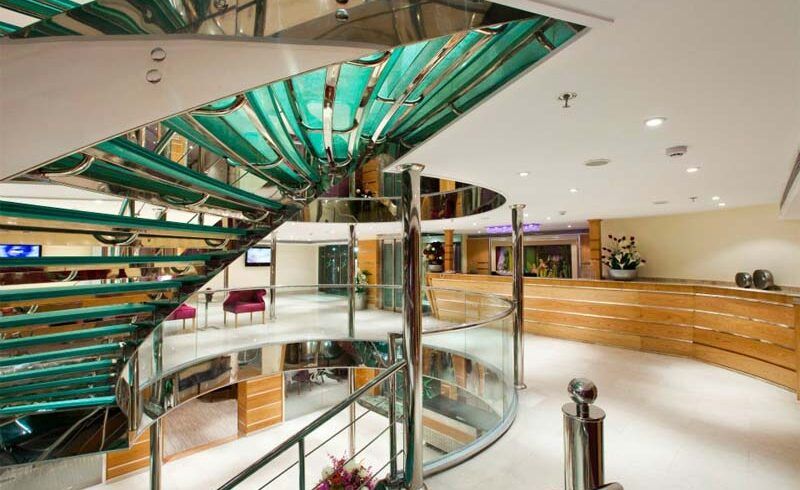
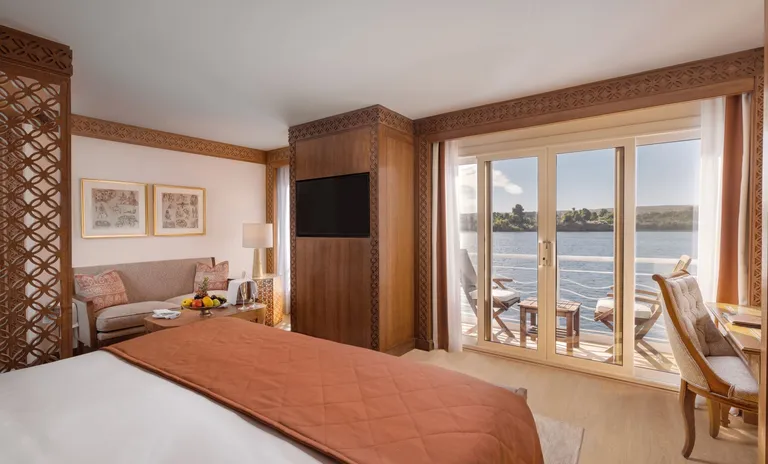
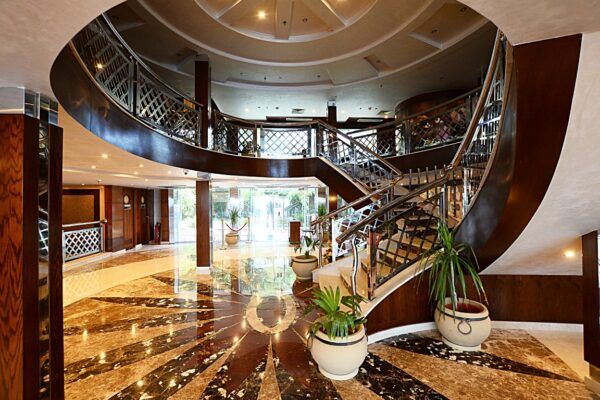
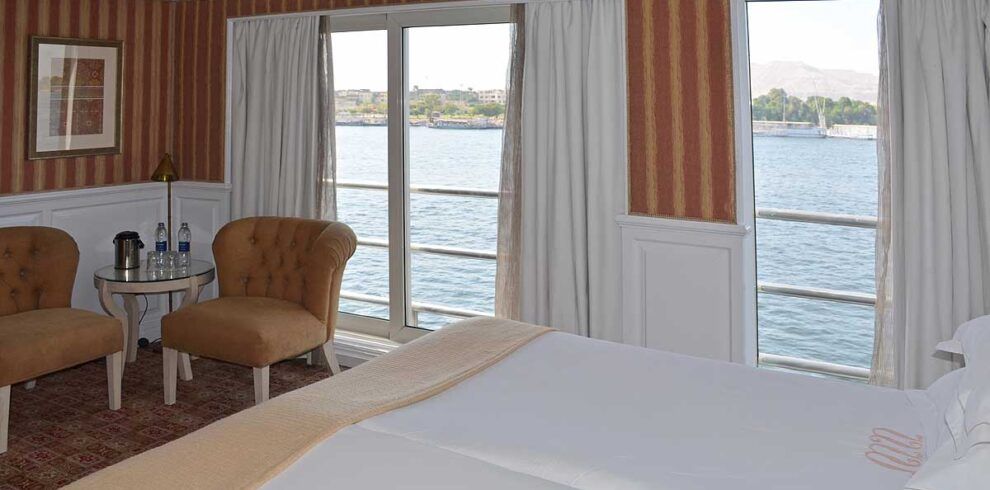
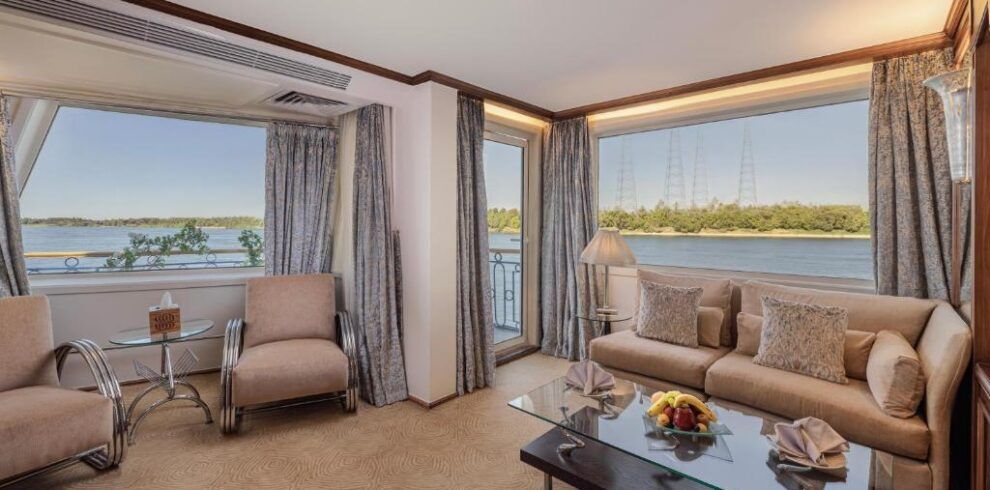
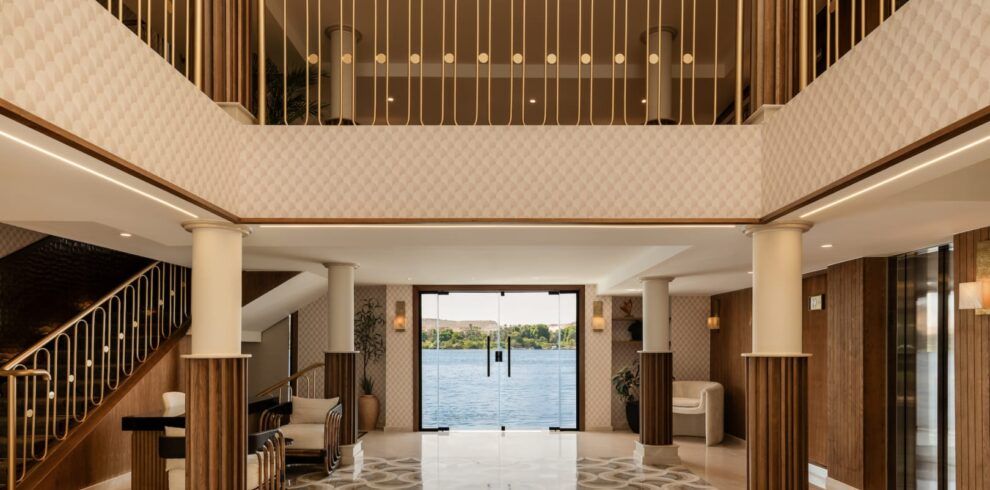
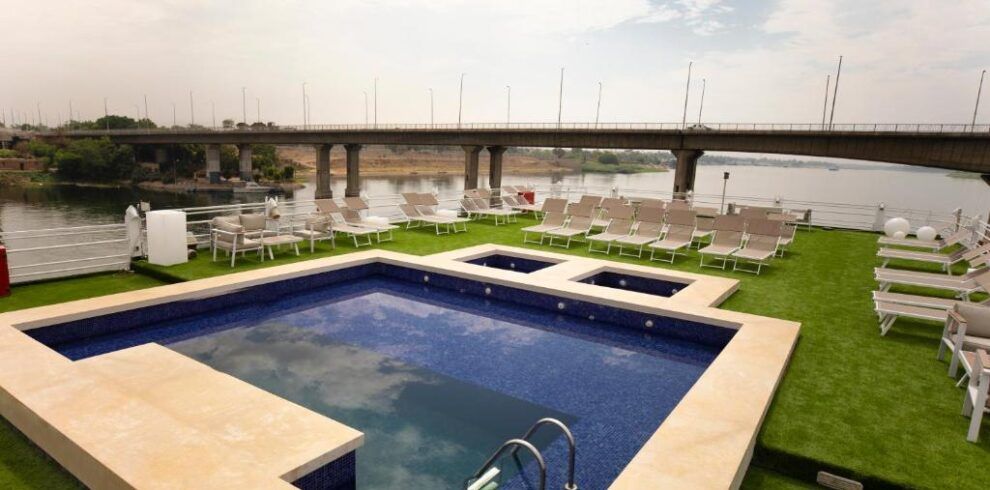
Soul of the Nile provides a boutique accommodation experience designed around comfort and privacy.
The vessel features a limited number of cabins and suites, creating a more intimate environment than large Nile cruise ships.
After a day of exploring temples and tombs, guests can return to their cabin, relax, enjoy the river views, and prepare for the next day’s adventure.
The smaller capacity also contributes to a quieter onboard atmosphere.
Gourmet Dining
Food is an important part of the Soul of the Nile experience.
The cruise provides full-board dining, including breakfast, lunch, and dinner.
Meals combine Egyptian flavors with international cuisine, allowing guests to experience local dishes while still enjoying a variety of familiar options.
Dining onboard while surrounded by the Nile scenery adds another memorable element to the journey.
Private Egyptologist Experience
The archaeological sites along the route are filled with historical details, mythology, symbolism, and ancient inscriptions.
A professional Egyptologist helps bring these sites to life by explaining the stories behind the monuments and the civilizations that built them.
Instead of simply visiting a temple and taking photographs, travelers gain a deeper understanding of the pharaohs, gods, religious traditions, architecture, and daily life of ancient Egypt.
Ideal for Honeymooners
Soul of the Nile is particularly attractive to couples and honeymooners.
The small number of guests, peaceful sailing, elegant accommodation, and beautiful Nile landscapes create a naturally romantic atmosphere.
Couples can enjoy quiet evenings on deck, watch the sunset together, and explore ancient temples during private guided excursions.
The journey can also be combined with luxury stays in Cairo, Luxor, Aswan, or the Red Sea.
Ideal for Families and Small Groups
The Dahabiya is also suitable for families and small groups.
The intimate environment provides a more relaxed alternative to large cruise ships, while private transportation and guiding can make sightseeing more convenient.
For birthdays, anniversaries, family celebrations, and special occasions, a private charter may also be arranged subject to availability.
Optional Hot-Air Balloon Experience
Travelers looking for an additional Luxor adventure can arrange a sunrise hot-air balloon ride.
Flying above the West Bank provides panoramic views of the Nile, agricultural fields, temples, desert landscapes, and ancient monuments.
This experience is optional and available at an additional cost, subject to weather conditions and availability.
Best Time to Take the Cruise
The cooler months are generally the most comfortable for exploring Luxor, Edfu, Kom Ombo, and Aswan.
From autumn through spring, daytime temperatures are usually more pleasant for walking through archaeological sites.
Travelers visiting during warmer months should prepare for higher temperatures by carrying sunscreen, sunglasses, a hat, lightweight clothing, and sufficient water.
What to Pack
For a comfortable Nile cruise, travelers should bring:
- Comfortable walking shoes
- Lightweight clothing
- Sunscreen
- Sunglasses
- Sun hat
- Swimwear
- Light jacket
- Modest clothing for temple visits
- Camera or smartphone
- Small day bag
- Personal travel essentials
Comfortable shoes are particularly important because many archaeological sites involve walking over uneven surfaces.
Combine Soul of the Nile With a Complete Egypt Vacation
The Soul of the Nile Dahabiya can easily be combined with other destinations in Egypt.
A popular itinerary could begin in Cairo with visits to the Giza Pyramids, the Sphinx, and the Egyptian Museum before continuing to Luxor.
After completing the Dahabiya cruise in Aswan and visiting Abu Simbel, travelers can continue to the Red Sea for several days of relaxation.
A complete itinerary could be:
Cairo → Giza → Luxor → Soul of the Nile Dahabiya → Aswan → Abu Simbel → Hurghada
This combination offers an excellent balance of ancient history, luxury sailing, cultural experiences, and beach relaxation.
Why Choose Soul of the Nile Dahabiya?
The greatest advantage of Soul of the Nile is its combination of luxury, intimacy, history, and slow travel.
Instead of spending your entire vacation rushing between attractions, the Dahabiya allows you to slow down and appreciate the Nile itself.
You can wake up beside the river, enjoy breakfast onboard, explore ancient temples with a professional Egyptologist, return to the Dahabiya for a relaxing afternoon, and watch the sunset from the deck.
The journey connects the major archaeological highlights of Upper Egypt with quieter experiences such as Gebel el-Silsila, creating a more balanced and immersive itinerary.
From the temples of Luxor and the royal tombs of the Valley of the Kings to Edfu, Gebel el-Silsila, Kom Ombo, Philae, and the magnificent temples of Abu Simbel, the journey offers an extraordinary introduction to Egypt’s ancient civilization.
Whether you are planning a honeymoon, anniversary, family vacation, private group journey, or luxury adventure, the Soul of the Nile Dahabiya offers an unforgettable way to experience the Nile.
Sail through the heart of ancient Egypt, discover legendary temples and royal tombs, enjoy peaceful Nile landscapes, and experience Upper Egypt in comfort and style aboard Soul of the Nile.
Frequently Asked Questions
The cruise from Luxor to Aswan lasts 5 days and 4 nights
The journey starts in Luxor, where guests board the Dahabiya and begin their Nile adventure.
The cruise ends in Aswan after completing the sightseeing program
The Luxor-to-Aswan journey is scheduled to depart every Monday, subject to availability.
Soul of the Nile has 12 cabins and 2 suites and can accommodate up to approximately 28 guests.
The standard cruise is a small-group luxury experience. A private charter of the entire Dahabiya may also be available for families, couples, friends, or special groups.
Yes. A professional Egyptologist is included to guide you through the major archaeological sites.
The itinerary includes Karnak Temple, Valley of the Kings, Hatshepsut Temple, Colossi of Memnon, Luxor Temple, Edfu Temple, Gebel el-Silsila, Kom Ombo Temple, Philae Temple, Aswan High Dam, and the Unfinished Obelisk.
Yes. The Abu Simbel excursion is included in the Luxor-to-Aswan itinerary.
Yes. The package includes full-board meals, including breakfast, lunch, and dinner.