

Trip Info
-
Free cancellation up to 24 hour before departure
-
Professional Licensed Egyptologist
-
English — The sightseeing program is accompanied by a professional
-
Luxor, Egypt – Jubal Dahabiya
-
Luxury Nile Dahabiya Cruise
-
Private air-conditioned vehicle for sightseeing
-
1-15
-
Aswan, Egypt – Jubal Dahabiya
-
1
-
99
Overview
The Jubal Dahabiya – Luxury Nile Cruise from Luxor to Aswan offers an elegant and intimate way to discover the ancient treasures of Upper Egypt.
This 4-night Nile cruise combines the history of Luxor, Edfu, Kom Ombo, and Aswan with the peaceful atmosphere of traditional Dahabiya sailing. With a maximum capacity of approximately 16 guests, Jubal provides a much smaller and more personalized experience than conventional Nile cruise ships.
The journey begins in Luxor, home to some of Egypt’s most famous temples and royal tombs, and continues south along the Nile toward Aswan. Guests can explore magnificent archaeological sites while enjoying relaxing periods onboard surrounded by the natural beauty of the Nile Valley.
The cruise includes visits to Karnak Temple, Luxor Temple, the Valley of the Kings, Hatshepsut Temple, Edfu Temple, Kom Ombo Temple, Philae Temple, the Aswan High Dam, and the Unfinished Obelisk.
Highlights
- 5 Days / 4 Nights luxury Nile cruise
- Sailing from Luxor to Aswan
- Maximum capacity of 16 guests
- Boutique and intimate Dahabiya experience
- Traditional sailing experience with modern luxury
- Explore Karnak Temple
- Visit Luxor Temple
- Discover the Valley of the Kings
- Visit Temple of Queen Hatshepsut
- See the Colossi of Memnon
- Explore Edfu Temple
- Visit Kom Ombo Temple
- Discover Philae Temple
- Visit the Aswan High Dam
- See the Unfinished Obelisk
- Professional Egyptologist
- Full-board meals
- Peaceful Nile sailing
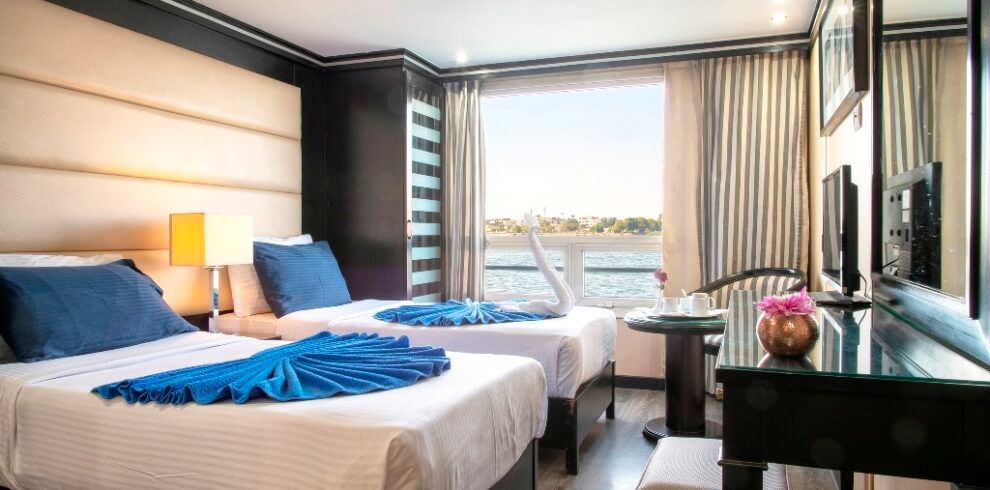
- Comfortable private cabins
- Ideal for couples, honeymooners, families, and small groups
Reviews
Itinerary Description
The Jubal Dahabiya 4-Night Nile Cruise from Luxor to Aswan is designed to combine Egypt's most important ancient monuments with the relaxing atmosphere of traditional Nile sailing.
The journey begins in Luxor, where guests explore the spectacular temples and royal monuments of ancient Thebes. The cruise then travels south through the Nile Valley, stopping at Edfu and Kom Ombo before reaching Aswan.
One of the main advantages of traveling by Dahabiya is the intimate atmosphere. With only a limited number of guests onboard, the journey feels more personal and relaxed than a conventional large Nile cruise.
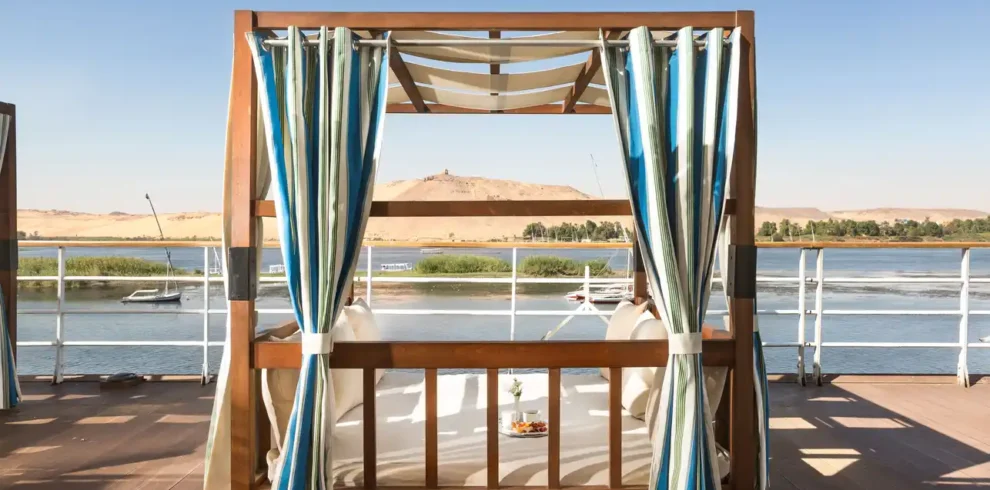
During sailing periods, guests can enjoy the scenery from the deck, watch villages and agricultural landscapes along the river, relax with a drink, or simply enjoy the peaceful rhythm of the Nile.
The journey concludes in Aswan with visits to Philae Temple, the Aswan High Dam, and the Unfinished Obelisk
- Arrive in Luxor
- Embark aboard Jubal Dahabiya
- Check-in and settle into your cabin
- Lunch onboard
- Visit Karnak Temple
- Visit Luxor Temple
- Return to the Dahabiya
- Dinner and overnight onboard
Meals: Lunch & Dinner
- Breakfast onboard
- Visit Valley of the Kings
- Explore selected royal tombs
- Visit Temple of Queen Hatshepsut
- Visit Colossi of Memnon
- Return to the Dahabiya
- Lunch onboard
- Begin sailing south
- Relax and enjoy the Nile scenery
- Dinner and overnight onboard
Meals: Breakfast, Lunch & Dinner
- Breakfast onboard
- Continue sailing toward Edfu
- Visit Temple of Horus at Edfu
- Explore the temple with your Egyptologist
- Return to Jubal Dahabiya
- Lunch onboard
- Continue sailing south
- Enjoy the scenery and peaceful Nile atmosphere
- Dinner and overnight onboard
Meals: Breakfast, Lunch & Dinner
- Breakfast onboard
- Morning sailing
- Visit Kom Ombo Temple
- Explore the temple dedicated to Sobek and Horus
- Return to the Dahabiya
- Lunch onboard
- Continue sailing toward Aswan
- Relax onboard and enjoy the Nile views
- Dinner and overnight onboard
Meals: Breakfast, Lunch & Dinner
- Breakfast onboard
- Visit Aswan High Dam
- Visit Philae Temple
- Visit the Unfinished Obelisk
- Return to Aswan
- Disembark from Jubal Dahabiya
- Private transfer to your hotel, airport, or railway station
- Optional Abu Simbel excursion
Meals: Breakfast
Includes/Excludes
Includes
- 4 nights accommodation aboard Jubal Dahabiya
- Private luxury cabin
- Private bathroom
- Full-board meals
- Breakfast, lunch, and dinner
- Egyptian and international cuisine
- Professional licensed Egyptologist
- Guided sightseeing as mentioned in the itinerary
- Entrance fees to included attractions
- Karnak Temple
- Luxor Temple
- Valley of the Kings
- Hatshepsut Temple
- Colossi of Memnon
- Edfu Temple
- Kom Ombo Temple
- Philae Temple
- Aswan High Dam
- Unfinished Obelisk
- Private transportation during sightseeing
- Boat transportation for Philae Temple
- Daily housekeeping
- Onboard services and facilities
- Mineral water
- Tea and coffee
- Applicable taxes and service charges
Excludes
- International flights
- Domestic flights
- Egypt entry visa
- Airport transfers unless specifically included
- Hotel transfers unless specifically included
- Personal expenses
- Alcoholic beverages
- Additional drinks
- Laundry services
- Travel insurance
- Tips and gratuities
- Optional excursions
- Abu Simbel excursion
- Additional private tours
- Extra hotel nights
- Any entrance fees not mentioned under Includes
- Any service not specifically listed under Includes
More Info
The Jubal Dahabiya – Luxury Nile Cruise from Luxor to Aswan is an exceptional way to discover the ancient wonders of Upper Egypt while enjoying the comfort, privacy, and tranquility of a boutique Nile sailing experience. Designed for travelers who prefer a more intimate journey than a traditional large cruise ship, Jubal combines elegant accommodation, carefully planned sightseeing, professional guiding, and relaxing days on the world’s most famous river.
A 4-night journey from Luxor to Aswan gives you the opportunity to explore some of Egypt’s most important archaeological treasures while also enjoying the scenery and culture of the Nile Valley. The route connects the ancient temples and royal tombs of Luxor with the historic sites of Edfu, Kom Ombo, and Aswan.
A Different Way to Experience the Nile
A Dahabiya is a traditional style of Nile sailing vessel characterized by its elegant design and intimate atmosphere. Instead of traveling with hundreds of passengers, guests aboard Jubal enjoy a much smaller setting, making the journey feel more like a private river retreat.
Jubal accommodates approximately 16 guests, creating a peaceful environment where travelers can enjoy personalized attention and a relaxed schedule.
The experience is not only about visiting temples. The sailing itself is a major part of the adventure. As Jubal moves south along the Nile, you can watch palm-lined riverbanks, agricultural fields, desert landscapes, fishing boats, and traditional villages pass by.
There is time to sit on deck, enjoy a meal, read a book, take photographs, or simply watch the changing landscape.
Starting Your Journey in Luxor
The cruise begins in Luxor, one of the world’s most important archaeological destinations.
Ancient Luxor was known as Thebes and served as a major capital and religious center during important periods of ancient Egyptian history. Today, the city is divided by the Nile into the East Bank and West Bank, each offering a remarkable collection of monuments.
Your journey introduces you to both sides of the ancient city before the Dahabiya begins sailing south.
Discover Karnak Temple
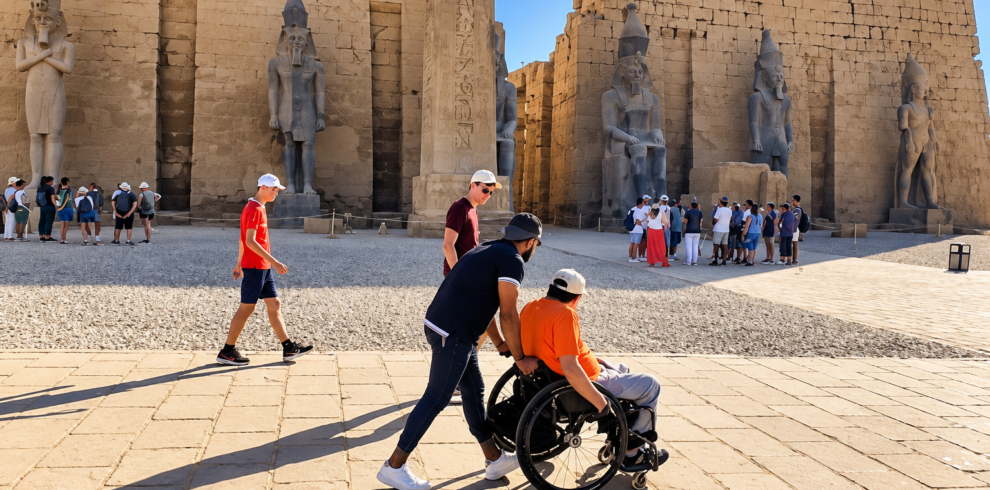
One of the first highlights is Karnak Temple, an enormous temple complex that was developed over many centuries.
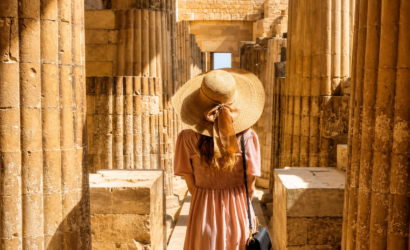
Karnak contains monumental gateways, courtyards, obelisks, statues, sanctuaries, and the famous Great Hypostyle Hall.
The enormous columns and detailed inscriptions demonstrate the architectural and artistic achievements of ancient Egypt.
Exploring Karnak with a professional Egyptologist adds another dimension to the visit. Rather than simply walking through the complex, you can learn about the pharaohs who contributed to its construction, the gods worshipped there, and the ceremonies that took place within its walls.
Luxor Temple
The journey continues to Luxor Temple, another magnificent monument on the East Bank.
The temple is particularly impressive in the evening when its architecture is beautifully illuminated. Its massive statues, columns, courtyards, and decorated walls reflect the importance of Luxor during ancient Egyptian civilization.
Together, Karnak and Luxor Temple provide a fascinating introduction to the religious and royal traditions of ancient Thebes.
The Valley of the Kings
The following stage of the journey takes you to Luxor’s West Bank and the legendary Valley of the Kings.
The valley served as a royal burial ground during the New Kingdom. Instead of constructing large pyramids, pharaohs were buried in hidden rock-cut tombs in the desert mountains.
Many of these tombs contain beautifully preserved paintings, hieroglyphic texts, and scenes depicting the journey to the afterlife.
Your Egyptologist will explain the symbolism behind the decorations and the importance of the royal burial traditions.
The Valley of the Kings is one of the most memorable experiences on the entire Luxor-to-Aswan journey.
Temple of Queen Hatshepsut
Close to the Valley of the Kings is the spectacular Temple of Queen Hatshepsut at Deir El-Bahari.
Built against a dramatic limestone cliff, the temple consists of several terraces connected by ramps and decorated with columns, statues, and reliefs.
Queen Hatshepsut was one of ancient Egypt’s most successful female rulers. Her reign was associated with major building projects and prosperous trade expeditions.
The temple’s architecture and location make it one of Luxor’s most recognizable monuments.
Colossi of Memnon
The Luxor West Bank experience also includes the Colossi of Memnon, two enormous statues of Pharaoh Amenhotep III.
Although much of the original mortuary temple has disappeared, the massive statues remain an impressive landmark.
They also provide an opportunity to learn about the enormous scale of ancient Egyptian royal architecture.
Sailing Toward Edfu
After completing the Luxor sightseeing program, return to Jubal and begin sailing south.
This is where the Dahabiya experience becomes particularly special.
Instead of spending the entire day visiting archaeological sites, travelers have time to relax and appreciate the Nile.
The river has remained central to Egyptian life for thousands of years. Along the banks, you can see fertile agricultural land contrasting dramatically with the surrounding desert.
The scenery changes gradually as the Dahabiya continues toward southern Egypt.
Edfu and the Temple of Horus
One of the major stops is Edfu, home to the remarkably preserved Temple of Horus.
The temple was dedicated to Horus, the falcon-headed god, and was constructed during the Ptolemaic period.
Its enormous entrance, monumental walls, courtyards, columns, and detailed reliefs make it one of the most impressive temples in Egypt.
The Edfu experience may also include transportation through the town by traditional horse-drawn carriage, adding a distinctive local element to the excursion.
Inside the temple, your Egyptologist can explain the mythology of Horus, the significance of the temple’s reliefs, and the rituals that were performed there.
After exploring Edfu, return to Jubal and continue your journey south.
Enjoy the Peaceful Nile
One of the greatest benefits of a Dahabiya cruise is having time to enjoy the river without constantly being on the move.
The deck becomes your viewing platform as the landscape passes by.
You can enjoy breakfast while looking across the water, relax in the afternoon, photograph local villages, or watch the sunset from the Nile.
For couples, these quiet moments can be particularly romantic. For families, they provide time to relax together between sightseeing excursions.
Kom Ombo Temple
The next major archaeological stop is Kom Ombo.
The temple is unusual because it was dedicated to two different deities: Sobek, the crocodile god, and Horus the Elder.
The temple’s design reflects this dual dedication, with many architectural elements arranged around two symmetrical sections.
Detailed reliefs show ancient religious ceremonies, gods, rulers, and medical and astronomical imagery.
The nearby crocodile museum can provide additional insight into the ancient worship of Sobek and the religious importance of crocodiles in the region.
After visiting Kom Ombo, return to Jubal and continue sailing toward Aswan.
Arriving in Aswan
Aswan is one of the most beautiful destinations along the Nile.
Located in southern Egypt, the city is known for its granite islands, palm trees, traditional sailing boats, and relaxed atmosphere.
It is also an important gateway to Nubia and Abu Simbel.
The final day of the Jubal journey allows you to explore some of Aswan’s most important landmarks.
Aswan High Dam
The Aswan High Dam is one of modern Egypt’s most important engineering projects.
Completed in the twentieth century, it transformed water management along the Nile and helped regulate flooding, support agriculture, and generate electricity.
The dam also had a major impact on Egypt’s archaeological heritage because rising water threatened numerous ancient monuments.
This led to one of the world’s most important archaeological preservation campaigns.
The Unfinished Obelisk
The Unfinished Obelisk provides an opportunity to understand how ancient Egyptians worked with enormous blocks of granite.
The monument remains attached to the bedrock, allowing visitors to see evidence of the ancient stone-working process.
If completed, it would have been one of the largest obelisks ever created.
The site gives an excellent perspective on the technical challenges faced by ancient craftsmen.
Philae Temple
The final major attraction is Philae Temple, dedicated primarily to the goddess Isis.
The temple complex contains monumental gateways, columns, sanctuaries, and beautifully preserved reliefs.
Its island setting makes the experience particularly scenic.
Reaching the temple by boat adds another memorable element to the excursion.
Philae’s modern history is also remarkable. Because the original location was threatened by rising water following the construction of the Aswan High Dam, the temple complex was carefully dismantled and relocated to higher ground.
Accommodation Aboard Jubal
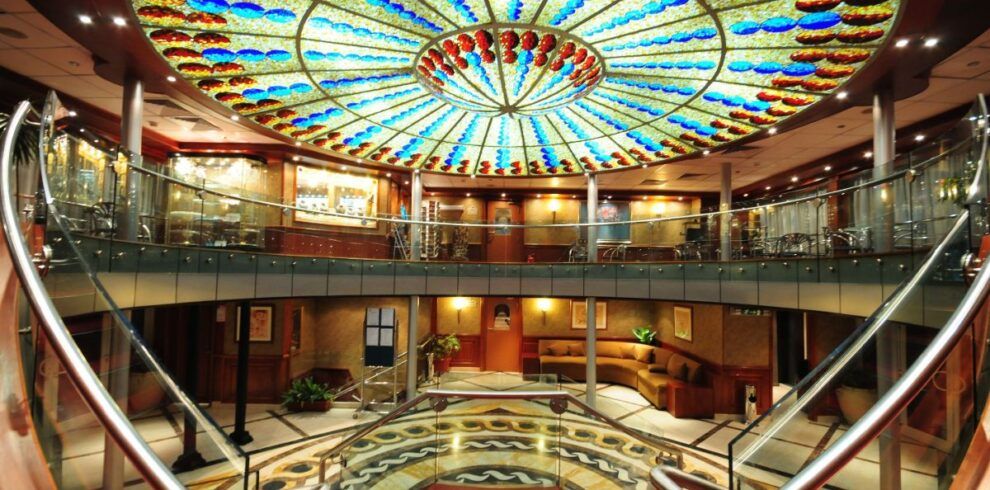
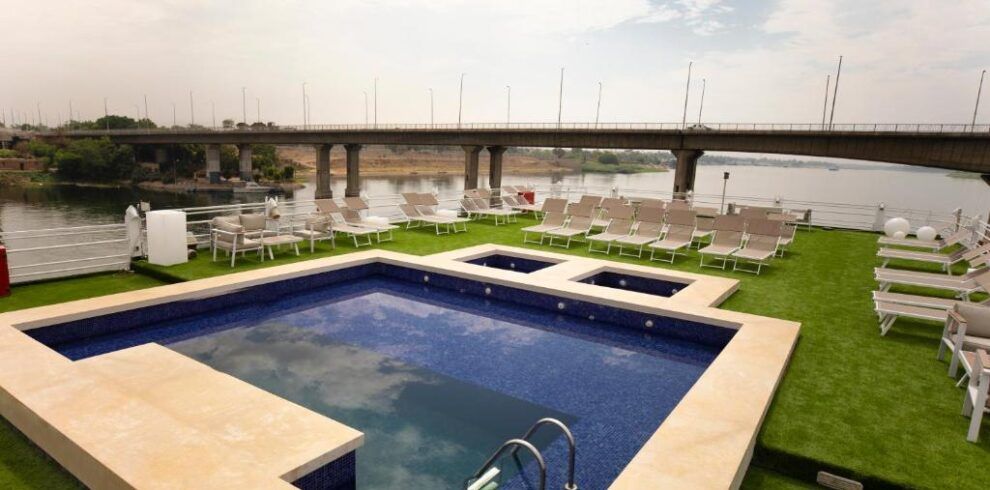
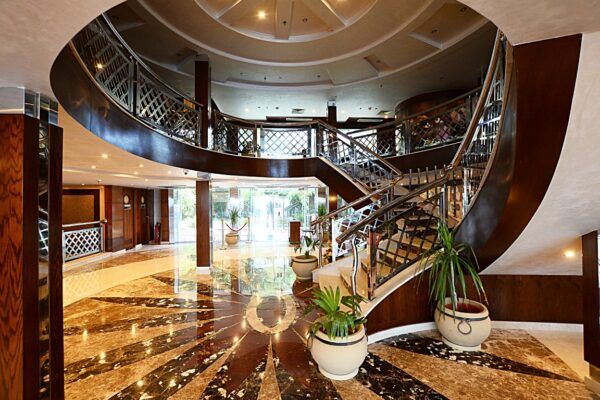
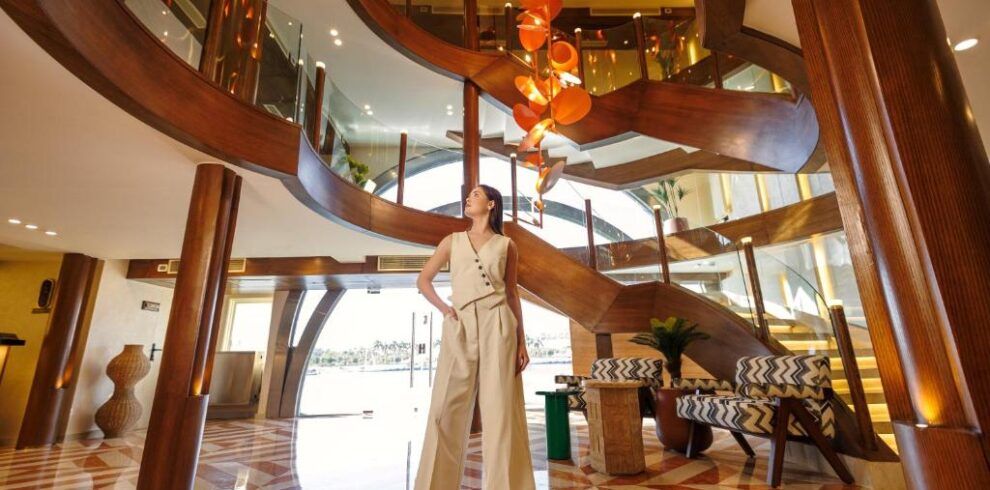
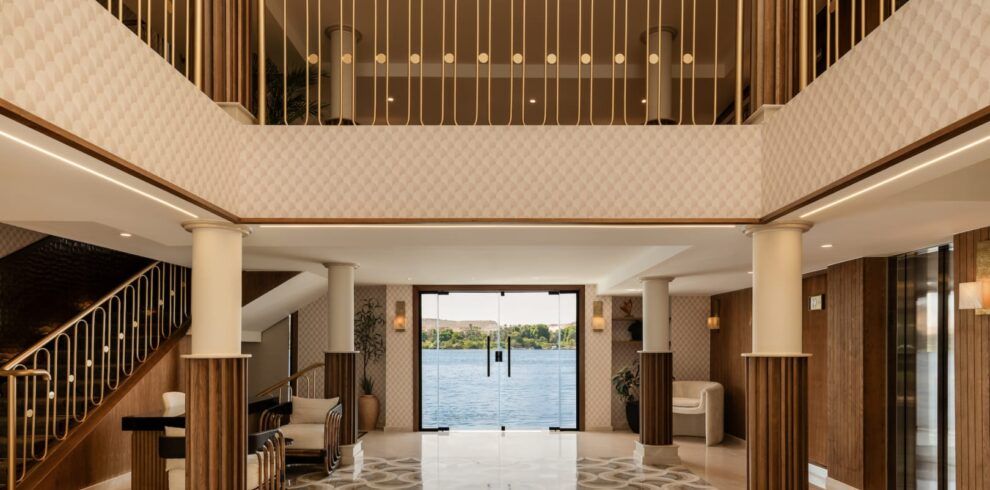
Jubal is designed as a boutique luxury Dahabiya rather than a large floating hotel.
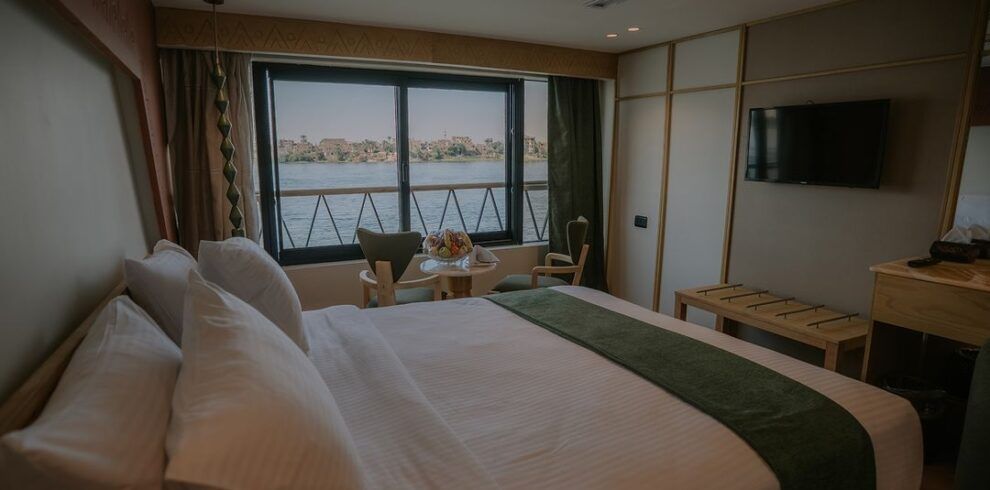
The vessel accommodates a limited number of guests and offers private accommodation designed for comfort during the journey.
Cabins and suites provide a relaxing place to rest after sightseeing, while the smaller number of passengers creates a more personal atmosphere.
For travelers who value privacy, this is one of the strongest reasons to choose a Dahabiya instead of a conventional Nile cruise.
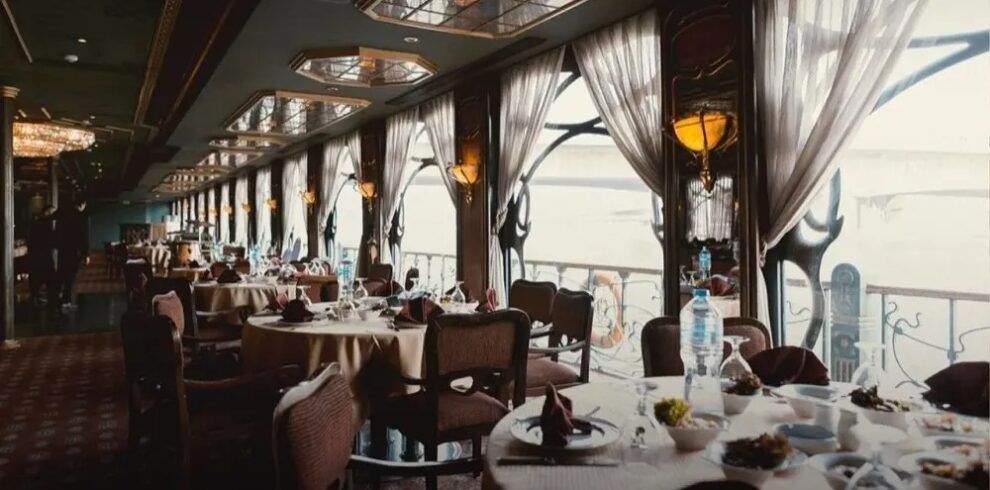
Dining Experience
Food is an important part of any Nile cruise.
Jubal provides full-board dining, with breakfast, lunch, and dinner served during the journey.
The menu can combine Egyptian specialties with international cuisine, allowing guests to experience local flavors while still having familiar choices.
Meals can also become part of the experience themselves, particularly when enjoyed while surrounded by the Nile landscape.
A Great Choice for Honeymooners
Jubal is especially appealing to honeymooners and couples.
The smaller capacity means that the atmosphere is quieter and more private than on large cruise ships.
Imagine waking up to views of the Nile, exploring ancient temples during the day, then returning to the Dahabiya for a peaceful evening as the sun sets over the river.
Couples can also extend the trip with private transfers, additional sightseeing, or an Abu Simbel excursion.
Ideal for Families and Small Groups
The intimate environment is equally attractive to families and groups of friends.
Traveling together on a small vessel creates a more social experience without the crowds found on large cruise ships.
Private transportation and customized sightseeing arrangements can also be organized according to the group’s requirements.
Optional Abu Simbel Excursion
Travelers who have additional time in southern Egypt can add an excursion to Abu Simbel.
The temples of Abu Simbel are among Egypt’s most spectacular ancient monuments. They were built during the reign of Ramesses II and are famous for their enormous statues carved into the mountainside.
The excursion is not normally part of the standard 4-night cruise and can be arranged separately according to availability.
Best Time for a Jubal Dahabiya Cruise
The cooler months are generally the most comfortable for sightseeing in Luxor, Edfu, Kom Ombo, and Aswan.
From late autumn through spring, daytime temperatures are usually more comfortable for walking around archaeological sites.
Summer travelers can still enjoy the cruise, but should be prepared for high daytime temperatures with lightweight clothing, sunscreen, sunglasses, and adequate hydration.
What to Bring
For a comfortable journey, travelers should pack:
- Comfortable walking shoes
- Lightweight clothing
- Sun hat
- Sunglasses
- Sunscreen
- Swimwear
- Light jacket
- Modest clothing for temple visits
- Camera or smartphone
- Small day bag
- Personal travel essentials
A light jacket can be useful during cooler evenings, particularly during winter.
Combining Jubal With the Rest of Egypt
The Jubal Dahabiya can easily form part of a longer Egypt vacation.
Travelers may begin in Cairo to explore the Giza Pyramids, the Sphinx, and the Egyptian Museum before flying or traveling to Luxor.
After completing the Nile cruise in Aswan, travelers can continue to Abu Simbel or return to Cairo.
Another popular option is to continue from Aswan toward the Red Sea for several days of relaxation.
A comprehensive itinerary could therefore be:
Cairo → Giza → Luxor → Jubal Dahabiya → Aswan → Abu Simbel → Hurghada
This combination offers ancient history, luxury Nile sailing, archaeological exploration, and beach relaxation.
Why Choose Jubal Dahabiya?
The main advantage of Jubal is the combination of luxury and intimacy.
Large Nile cruise ships can carry hundreds of passengers, while a Dahabiya creates a much smaller and quieter environment.
You have the opportunity to spend more time enjoying the river itself rather than simply using the Nile as transportation between attractions.
The journey also combines some of Egypt’s most important archaeological sites with long periods of peaceful sailing.
From the monumental temples of Luxor to the royal tombs of the Valley of the Kings, from the Temple of Horus at Edfu to the unique sanctuary of Kom Ombo and the beautiful island setting of Philae, every stage of the journey offers something different.
Book Your Jubal Dahabiya Experience
The Jubal Dahabiya – Luxury Nile Cruise from Luxor to Aswan is an excellent choice for travelers seeking an authentic yet comfortable way to explore the Nile.
It combines the cultural richness of ancient Egypt with the relaxation of boutique river sailing.
Whether you are planning a honeymoon, anniversary, family vacation, private group trip, or luxury Egypt adventure, Jubal provides a memorable way to experience Upper Egypt.
Rather than rushing from one attraction to another, you can take your time, enjoy the scenery, discover ancient temples with an expert Egyptologist, and return each evening to the peaceful surroundings of the Nile.
Experience Luxor, Edfu, Kom Ombo, and Aswan from the river itself and discover the timeless beauty of Egypt aboard the Jubal Dahabiya.
Frequently Asked Questions
The Luxor-to-Aswan cruise lasts 5 days and 4 nights.
The journey starts in Luxor and ends in Aswan.
Jubal Dahabiya is designed for a maximum of approximately 16 guests, creating a more intimate experience.
Yes. A professional licensed Egyptologist accompanies the included sightseeing tours.
The itinerary includes Karnak Temple, Luxor Temple, Valley of the Kings, Hatshepsut Temple, Colossi of Memnon, Edfu Temple, Kom Ombo Temple, Philae Temple, Aswan High Dam, and the Unfinished Obelisk
Yes. The cruise includes breakfast, lunch, and dinner throughout the journey
Yes. The intimate atmosphere and peaceful Nile sailing make Jubal particularly suitable for couples and honeymooners
Yes. The small-group environment makes it suitable for families and private groups
Yes. Private airport, hotel, and railway station transfers can be arranged upon request.
Abu Simbel is not included in the standard cruise package, but an optional excursion can be arranged from Aswan