

Trip Info
-
Free cancellation up to 24 hours before the activity
-
Professional English-speaking tour guide / astronomy specialist accompanying you throughout the eclipse experience.
-
English
-
Pickup from your hotel or agreed meeting point according to the selected package.
-
Astronomy & Special Event Tour
-
Transportation is provided by a comfortable, air-conditioned vehicle, with pickup and drop-off according to the selected itinerary.
-
1-15
-
Return to your hotel or agreed drop-off point after the eclipse experience
-
1
-
99
Overview
Experience the rare and spectacular Total Solar Eclipse from an ideal viewing location in Egypt. Enjoy a unique astronomical event while combining the excitement of eclipse viewing with Egypt’s fascinating landscapes, culture, and historical attractions.
Highlights
- Experience a Total Solar Eclipse
- Safe and organized eclipse viewing
- Spectacular natural phenomenon
- Professional assistance throughout the experience
- Comfortable transportation
- Scenic viewing location
- Photo opportunities
- Unique Egypt travel experience
Reviews
Itinerary Description
Experience the spectacular Total Solar Eclipse in Egypt with a specially organized viewing experience. Enjoy the rare astronomical event from a carefully selected location while receiving professional assistance and comfortable transportation throughout the day. The experience includes time to prepare for the eclipse, observe its different phases safely, enjoy the moment of totality, and capture memorable photographs before returning to your hotel.
Morning: Pickup from your hotel and transfer to the designated eclipse viewing location.
Before the Eclipse: Arrive at the viewing area, get comfortable, and receive guidance on safe solar observation.
Partial Eclipse: Watch as the Moon gradually moves across the Sun, creating changing light and shadows around you.
Totality: Experience the highlight of the event as the Moon completely covers the Sun, briefly creating darkness and revealing the solar corona.
After Totality: Continue observing the remaining phases of the eclipse and enjoy time for photography.
Return: After the eclipse ends, transfer back to your hotel.
Includes/Excludes
Includes
- Hotel pickup and drop-off
- Private air-conditioned transportation
- Designated eclipse viewing location
- Professional English-speaking guide / astronomy specialist
- Assistance throughout the eclipse experience
- Bottled water
- Time for photography
Excludes
- Meals unless specifically mentioned
- Accommodation
- Personal expenses
- Travel insurance
- Photography equipment
- Personal astronomical equipment
- Tips and gratuities
- Any service not specifically mentioned under Includes
More Info
Experience one of nature’s most extraordinary spectacles with a Total Solar Eclipse Tour in Egypt. A total solar eclipse is a rare astronomical event that occurs when the Moon passes directly between Earth and the Sun and completely covers the Sun’s bright visible surface for observers located within the path of totality.
For a short and unforgettable period, daylight can become dramatically darker, the temperature may change, shadows can appear unusual, and the solar corona may become visible around the dark silhouette of the Moon. Experiencing this phenomenon in Egypt adds an exciting astronomical dimension to a country already famous for its ancient monuments, deserts, and remarkable landscapes.
A Unique Experience in Egypt
Egypt offers a fascinating setting for travelers interested in astronomy and natural phenomena. Beyond the pyramids, temples, and museums, the country’s wide landscapes and generally open horizons can provide excellent environments for outdoor astronomical experiences.
The eclipse tour is designed to make the experience comfortable and organized. Guests are picked up from their hotel and transferred to the designated viewing location. Upon arrival, there is time to settle in, prepare viewing equipment, and receive important instructions before the eclipse begins.
Rather than arriving just before the event, travelers can enjoy the anticipation as the Moon gradually begins to move across the Sun.
Understanding a Total Solar Eclipse
A solar eclipse happens when the Moon moves between Earth and the Sun.
Although the Sun is vastly larger than the Moon, the Moon is much closer to Earth. From our perspective, their apparent sizes in the sky can sometimes be similar enough for the Moon to completely cover the Sun.
When this alignment occurs, the Moon casts a shadow across part of Earth.
Observers within the central shadow, known as the path of totality, can experience a total solar eclipse. Observers outside this path may see only a partial eclipse.
This makes the selection of the viewing location particularly important.
The Different Phases
A total solar eclipse develops through several stages.
Partial Eclipse
At the beginning, the Moon slowly starts covering the Sun.
The change may initially be subtle, but as more of the Sun becomes covered, the surrounding light can begin to change.
Proper certified solar viewing protection must be used during this stage.
Approaching Totality
As the Moon covers more of the Sun, the environment can become noticeably darker.
The final moments before totality are among the most exciting parts of the experience.
Travelers can prepare their cameras and observe the changing atmosphere while waiting for the Moon to completely cover the solar disk.
Totality
Totality is the highlight of the experience.
For observers located in the path of totality, the Moon completely covers the Sun’s bright photosphere.
The sky can become dramatically darker, and the solar corona may become visible around the Moon.
Depending on the eclipse and exact viewing location, totality may last from a few seconds to several minutes.
Because this phase is brief, preparation is important.
After Totality
The Moon begins moving away from the Sun, and sunlight gradually returns.
The partial phase continues until the Moon completely leaves the Sun’s visible disk.
Why the Viewing Location Matters
The quality of an eclipse experience depends heavily on location.
Only locations within the path of totality experience the complete eclipse.
Within that path, different locations can also experience different durations of totality.
For this reason, the final viewing location should be determined using official astronomical information for the specific eclipse date.
An appropriate viewing area should ideally offer an unobstructed view of the sky, suitable access, and enough space for travelers to comfortably observe the event.
Preparing Before the Eclipse
Guests should arrive before the main phases begin.
This allows enough time to:
- Find a comfortable viewing position
- Set up photography equipment
- Prepare solar viewing glasses
- Check camera settings
- Receive safety instructions
- Learn about the eclipse
- Enjoy the atmosphere before totality
A professional guide or astronomy specialist can explain what is happening and help travelers understand the different stages.
Solar Viewing Safety
Safety is essential during any solar eclipse.
Looking directly at the Sun during the partial phases can cause serious and potentially permanent eye damage.
Ordinary sunglasses are not safe for direct solar viewing.
Travelers should use properly manufactured and certified solar viewers or eclipse glasses designed for viewing the Sun.
Solar filters are also required for cameras, binoculars, telescopes, and other optical equipment when viewing or photographing the Sun during the partial phases.
A normal camera optical viewfinder should never be used to look directly at the Sun without appropriate protection.
During the brief period of totality, when the Sun’s bright photosphere is completely covered, direct viewing can be possible. However, solar protection must be put back on immediately when the bright solar surface begins to reappear.
Eclipse Photography
A total solar eclipse offers exceptional photography opportunities.
The changing light, darkened sky, Moon’s silhouette, and solar corona can create remarkable photographs.
Travelers interested in photography should prepare their equipment before arriving at the viewing location.
A tripod can help provide stable images, while appropriate solar filters are necessary during the partial phases.
It is also important not to spend the entire event looking through a camera.
Totality is extremely short, and experiencing the event directly can be just as memorable as photographing it.
What to Bring
Travelers should prepare for an outdoor experience.
Recommended items include:
- Certified solar eclipse glasses
- Comfortable walking shoes
- Lightweight clothing
- Hat or cap
- Sunscreen
- Sunglasses
- Drinking water
- Camera or smartphone
- Camera tripod
- Approved solar camera filter
- Light jacket when appropriate
- Personal medications
The exact requirements depend on the season and the selected viewing location.
Transportation
The tour includes transportation from the hotel to the designated viewing location and back.
Guests travel in a comfortable air-conditioned vehicle.
The exact travel time depends on the selected eclipse viewing area.
Because eclipse tours may require traveling away from major cities, guests should be prepared for a longer transfer than a typical city sightseeing excursion.
Traveling to a location specifically selected for the eclipse can significantly improve the chances of experiencing the event from within the path of totality.
Professional Assistance
A professional English-speaking guide or astronomy specialist accompanies the experience.
The guide can provide information about the eclipse, explain the different phases, assist with general organization, and help make the experience easier for visitors who may be seeing a total solar eclipse for the first time.
The goal is not simply to transport guests to a viewing area but to create an organized and educational experience.
Family Experience
A solar eclipse can be particularly exciting for families.
Children can learn about the relationship between the Sun, Moon, and Earth while experiencing a real astronomical event.
The eclipse provides an opportunity to introduce young travelers to subjects such as astronomy, planetary motion, shadows, and space science.
Children must be supervised carefully throughout the event.
Parents should ensure that children use appropriate certified solar viewing protection during all partial phases.
Combining the Eclipse With an Egypt Vacation
The eclipse experience can be incorporated into a longer Egypt vacation.
Travelers can visit the country’s major attractions before or after the astronomical event.
Cairo and Giza
A Cairo extension can include the:
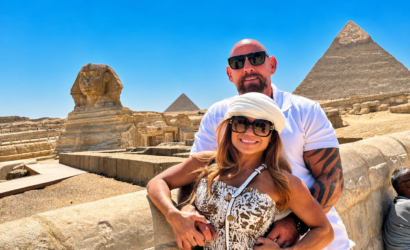
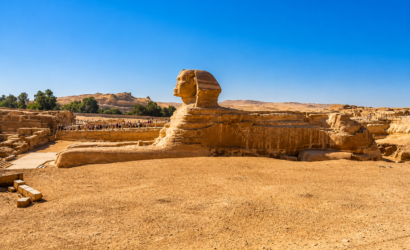
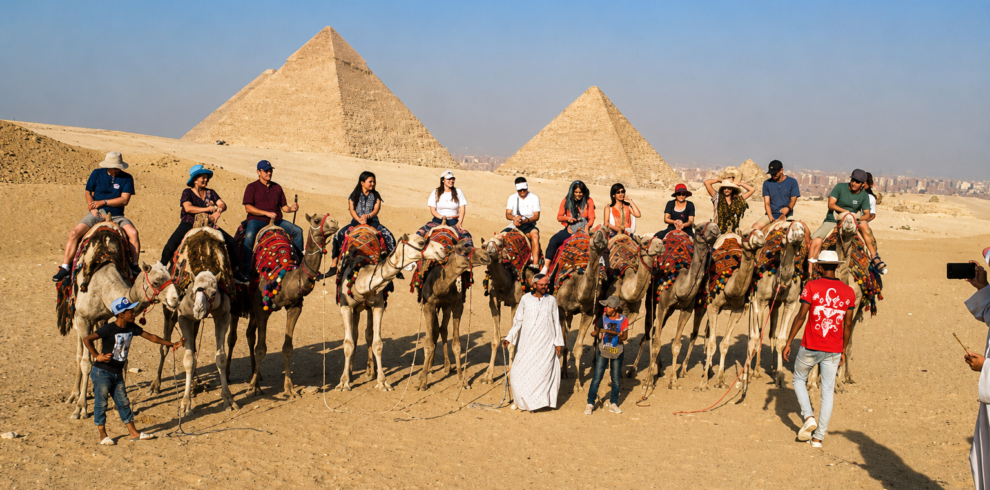
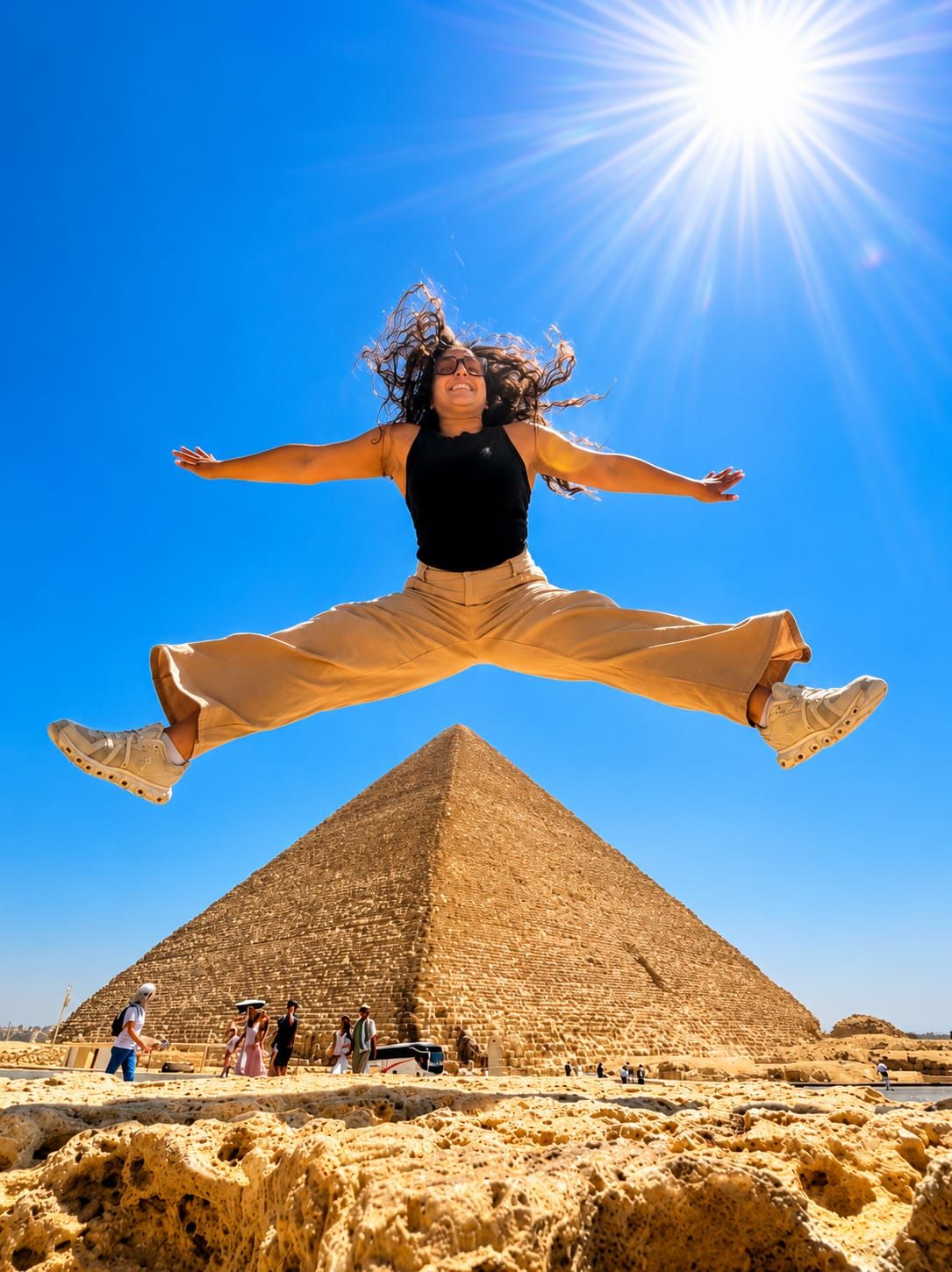
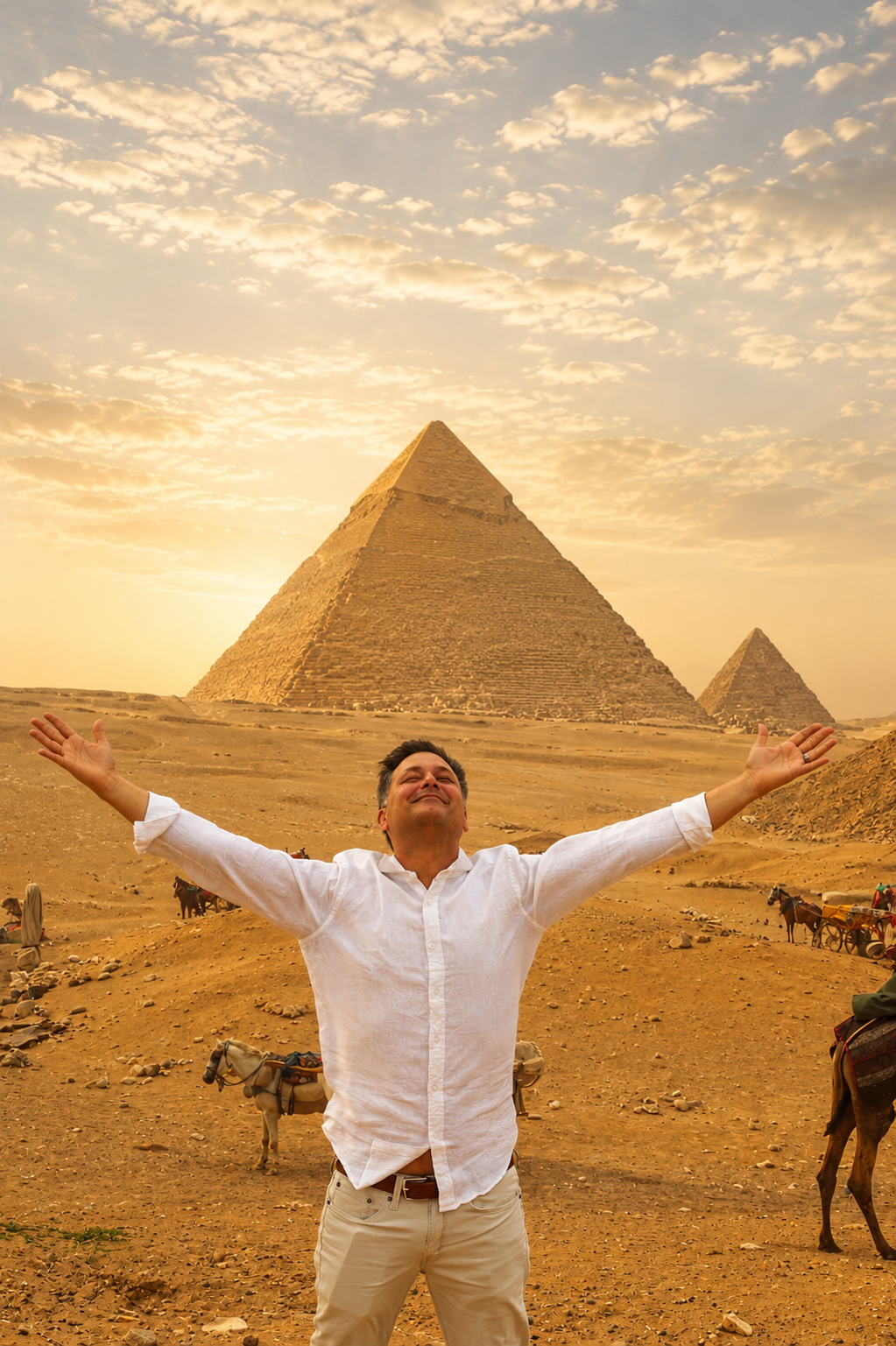
- Pyramids of Giza
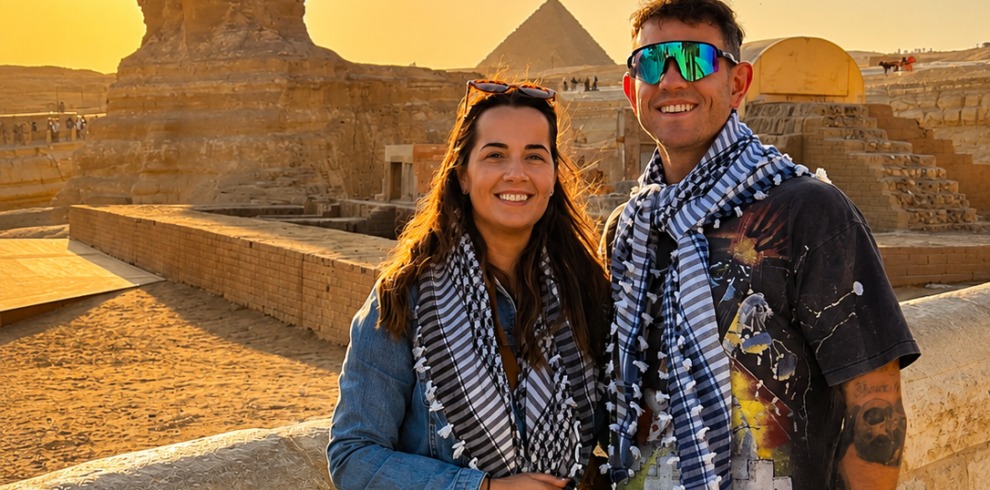
- Great Sphinx
- Saqqara
- Memphis
- Egyptian Museum
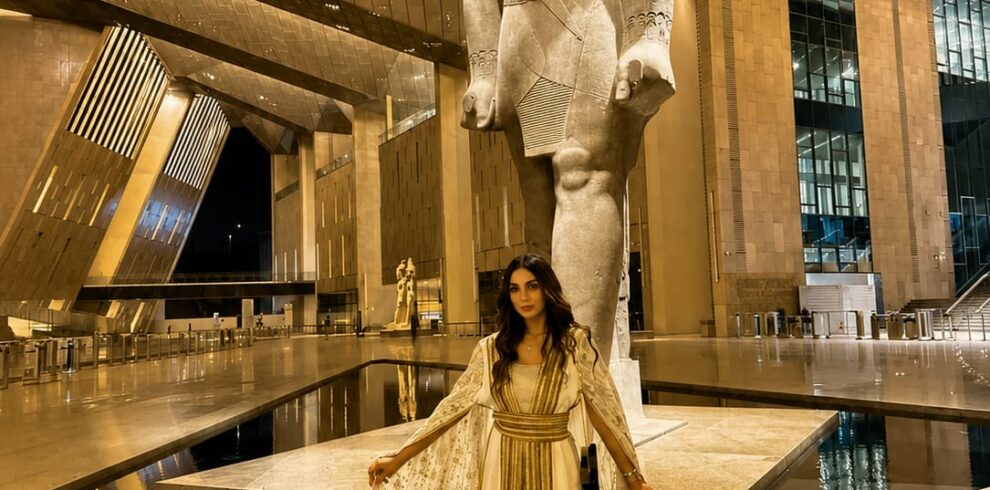
- Grand Egyptian Museum
- Citadel of Saladin
- Coptic Cairo
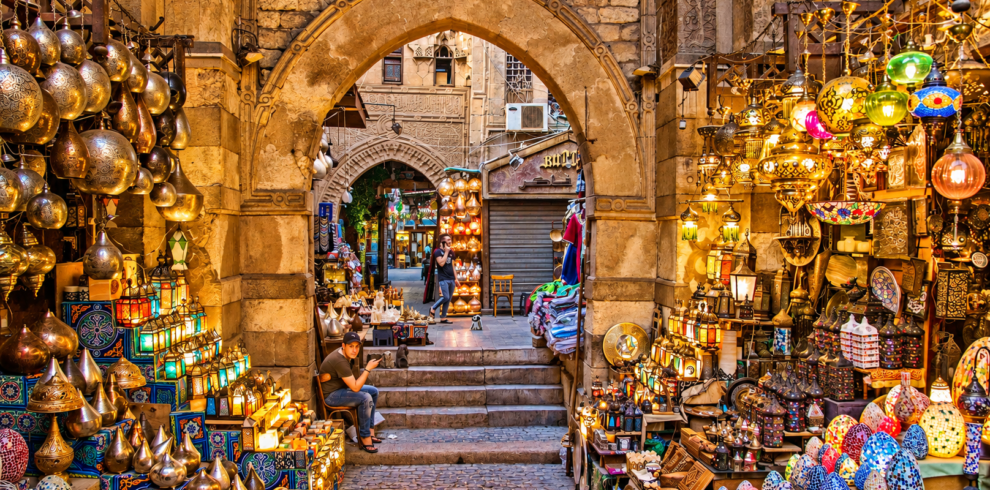
- Khan El Khalili Bazaar
These attractions provide an opportunity to explore thousands of years of Egyptian history.
Luxor
Travelers can also continue to Luxor to visit:
- Karnak Temple
- Luxor Temple
- Valley of the Kings
- Temple of Hatshepsut
- Colossi of Memnon
Luxor is one of Egypt’s most important archaeological destinations.
Nile Cruise
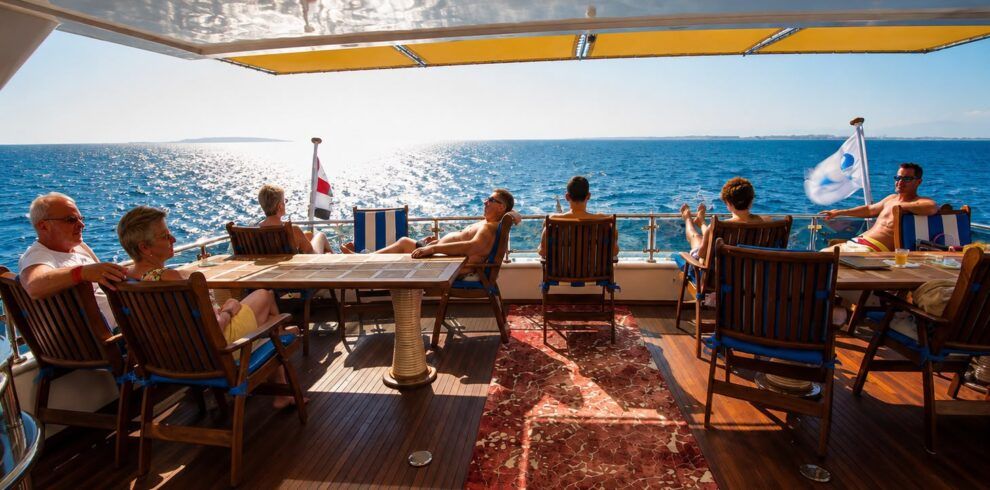
A Nile Cruise can be added to create a more extensive Egypt experience.
Cruises between Luxor and Aswan commonly stop at:
- Edfu Temple
- Kom Ombo Temple
- Philae Temple
- Aswan High Dam
- Unfinished Obelisk
This provides a relaxing way to explore the ancient monuments of Upper Egypt.
Abu Simbel
Travelers interested in extending their journey further south can add a visit to the spectacular temples of Abu Simbel.
The monumental temples of Ramses II and Queen Nefertari are among the most impressive archaeological sites in Egypt.
Weather Considerations
Weather is an important factor when planning an eclipse viewing experience.
Clouds can obstruct the Sun and reduce visibility of the eclipse.
For this reason, the viewing location should be selected with consideration of historical weather conditions as well as the official eclipse path.
However, weather cannot be guaranteed.
Travelers should understand that even with careful planning, natural weather conditions can affect visibility.
Comfortable Outdoor Experience
The eclipse itself may be relatively short, but the complete experience can involve several hours at the viewing location.
Guests should therefore prepare for an outdoor environment.
Bringing water, comfortable clothing, sun protection, and appropriate seating or personal comfort items can make the experience more enjoyable.
The open landscape can also provide excellent opportunities for photography before and after the eclipse.
An Educational Adventure
The Total Solar Eclipse Tour is more than a sightseeing activity.
It combines travel with science and observation.
Guests can learn how eclipses occur, why totality is visible only from certain locations, how the Moon’s shadow moves across Earth, and why the solar corona becomes visible during totality.
For astronomy enthusiasts, the experience can be particularly rewarding.
For travelers who are simply curious about nature, it offers the opportunity to witness something that cannot be recreated on demand.
Who Should Join This Tour?
The experience is suitable for a wide range of travelers.
Astronomy enthusiasts can enjoy observing and photographing a rare celestial event.
Families can turn the eclipse into an educational experience.
Couples can enjoy a memorable and unusual travel experience together.
Photographers can take advantage of the dramatic changes in light and the appearance of the solar corona.
First-time visitors to Egypt can combine the eclipse with traditional sightseeing.
Planning Your Eclipse Trip
Because a total solar eclipse is a time-specific event, planning ahead is particularly important.
Travelers should confirm:
- Eclipse date
- Viewing location
- Path of totality
- Transportation arrangements
- Meeting point
- Weather expectations
- Solar safety equipment
- Photography requirements
- Hotel accommodation
- Additional sightseeing plans
The exact itinerary should be finalized around the official timing and location of the eclipse.
Final Experience
A Total Solar Eclipse Tour in Egypt offers the chance to experience one of the most remarkable events in the natural world while enjoying the country’s unique landscapes and culture.
From the gradual beginning of the partial eclipse to the dramatic darkness of totality and the return of daylight afterward, every stage creates a different atmosphere.
With organized transportation, professional assistance, a designated viewing location, and proper safety preparation, travelers can focus on enjoying the event rather than worrying about logistics.
The experience can also become part of a larger Egypt vacation, combining astronomy with the Pyramids of Giza, ancient temples, the Nile Valley, Luxor, Aswan, and Abu Simbel.
For anyone looking for something beyond a traditional sightseeing trip, witnessing a total solar eclipse in Egypt can create a truly unforgettable travel memory.
Frequently Asked Questions
A total solar eclipse occurs when the Moon passes directly between the Earth and the Sun, completely covering the Sun's visible disk for a short period.
The viewing location will be selected according to the official path of totality and the specific eclipse date.
Yes, transportation from your hotel to the designated viewing location and back is included.
Yes, a professional English-speaking guide or astronomy specialist will accompany you during the experience.
Yes, photography is allowed. Appropriate solar filters must be used on cameras and lenses during the partial phases.
During the partial phases, you must use certified solar viewing protection. Ordinary sunglasses are not sufficient. Direct viewing is safe only during the brief period of totality when the Sun's bright surface is completely covered.
The complete eclipse includes several phases before and after totality. The duration of totality itself depends on the exact viewing location.
Bring comfortable clothing, walking shoes, sunscreen, water, a hat, and certified solar viewing glasses. A camera is optional.
Meals are not included unless specifically stated in your selected package
Yes. Children can join the experience but must be supervised carefully and use proper solar viewing protection during the partial phases.