


Trip Info
-
Free cancellation up to 24 hours before the scheduled tour,
-
Professional Licensed Egyptologist Guide, subject to availability.
-
English, Spanish, French, German, or other languages upon request, subject to guide availability.
-
Your hotel, accommodation, airport, or an agreed meeting location.
-
Private Tour or Small-Group Experience
-
Private air-conditioned vehicle, according to the selected package.
-
1-15
-
Your hotel, accommodation, airport, or an agreed drop-off location.
-
1
-
99
Overview
Explore the sacred heritage of ancient Egypt through a fascinating journey into its temples, pyramids, tombs, mythology, and ancient religious traditions.
Our Ancient Egyptian Sacred Sites & Spiritual Tours are designed for travelers who want to discover more than Egypt’s famous monuments. Learn how ancient Egyptians understood the universe, honored their gods and goddesses, performed religious ceremonies, and connected sacred architecture with their beliefs about life, death, and the afterlife.
Visit remarkable archaeological sites such as the Giza Pyramids, Saqqara, Karnak Temple, Luxor Temple, Dendera Temple, Abydos, Philae Temple, and Abu Simbel. Each location reveals a different chapter of Egypt’s spiritual and cultural history.
With a professional licensed Egyptologist guide, subject to availability, discover the symbolism of ancient temples, religious inscriptions, sacred processional routes, astronomical decorations, and the stories behind Egypt’s most important deities.
Highlights
- Explore Ancient Sacred Sites: Visit some of Egypt's most important temples, pyramids, tombs, and ancient religious centers.
- Discover the Giza Pyramids: Learn about royal burial traditions, ancient Egyptian beliefs about the afterlife, and pyramid symbolism.
- Experience Karnak Temple: Explore the vast temple complex dedicated primarily to Amun and discover its religious significance in ancient Thebes.
- Discover Dendera Temple: Learn about the goddess Hathor, ancient Egyptian religious traditions, and the temple's remarkable astronomical ceiling.
- Visit Abydos: Explore one of ancient Egypt's important religious centers and discover the mythology associated with Osiris.
- Explore Philae Temple: Discover the history of Isis, Osiris, and Horus at the beautiful temple complex in Aswan.
- Walk Through Luxor's Ancient Heritage: Discover Luxor Temple, the Avenue of Sphinxes, and the sacred traditions of ancient Thebes.
- Understand Ancient Egyptian Mythology: Learn about Ra, Isis, Osiris, Horus, Hathor, Amun, and other important ancient Egyptian deities.
- Discover Sacred Architecture: Understand temple layouts, ceremonial routes, hieroglyphics, religious inscriptions, and symbolic decorations.
- Learn About Ancient Rituals: Explore documented religious ceremonies, offerings, festivals, and beliefs about life and the afterlife
- Professional Egyptologist Guidance: Enjoy historical explanations and cultural insights with a licensed Egyptologist guide, subject to availability.
- Optional Moments of Reflection: Enjoy quiet personal reflection at suitable locations while respecting archaeological site regulations.
- Private and Customized Experiences: Choose a half-day, full-day, or multi-day journey based on your interests and travel schedule.
Reviews
Itinerary Description
Discover the fascinating spiritual heritage of ancient Egypt through a journey across its most important temples, pyramids, tombs, and ancient religious centers. This experience takes you beyond traditional sightseeing, offering a deeper understanding of the beliefs, mythology, sacred architecture, and religious traditions that shaped one of the world's greatest civilizations.
Accompanied by a professional licensed Egyptologist guide, subject to availability, explore remarkable archaeological sites and learn about the ancient Egyptians' understanding of creation, the afterlife, divine kingship, cosmic order, and the relationship between humanity and the gods.
- Hotel Pickup: Meet your Egyptologist guide and begin your exploration of ancient Thebes.
- Karnak Temple Complex: Discover one of ancient Egypt's most important religious centers, dedicated primarily to the god Amun. Explore the Great Hypostyle Hall, monumental columns, obelisks, sacred lake, and temple courtyards.
- Ancient Egyptian Religious Traditions: Learn about Amun, the Theban Triad, temple rituals, priestly ceremonies, and the religious importance of Karnak.
- Lunch Break: Enjoy free time for lunch at a local restaurant, at your own expense unless included in your package.
- Avenue of Sphinxes: Discover the ancient processional route that connected Karnak and Luxor Temples.
- Luxor Temple: Explore the temple associated with royal ceremonies and the ancient Opet Festival. Learn about its statues, inscriptions, and religious symbolism.
- Return to Your Hotel: Enjoy the evening at leisure.
Overnight: Luxor.
- Morning Pickup: Meet your guide and cross to Luxor's West Bank.
- Valley of the Kings: Explore selected royal tombs and discover ancient Egyptian beliefs about death, rebirth, and the afterlife. Learn about the religious texts and symbolic decorations found inside the tombs.
- Temple of Hatshepsut: Visit the magnificent mortuary temple at Deir el-Bahari and learn about Queen Hatshepsut's reign, royal legitimacy, and religious traditions.
- Colossi of Memnon: Stop to admire the monumental statues of Amenhotep III and learn about their historical significance.
- Lunch Break: Enjoy a lunch stop, at your own expense unless included in your package.
- Medinet Habu (Optional): If time and your selected package allow, visit the mortuary temple of Ramesses III and discover its historical reliefs and religious scenes.
- Return to Your Hotel: Enjoy a relaxing evening.
Overnight: Luxor.
- Morning Pickup: Depart from Luxor in a private air-conditioned vehicle toward Dendera.
- Temple of Hathor: Explore one of Egypt's best-preserved ancient temple complexes, dedicated to the goddess Hathor, associated with music, joy, motherhood, and the sky.
- Discover the Temple Decorations: Admire the impressive columns, decorated ceilings, astronomical representations, hieroglyphic inscriptions, and religious reliefs.
- Ancient Egyptian Symbolism: Learn about Hathor's role in ancient Egyptian mythology and the importance of Dendera as a major religious center.
- Return Journey: Travel back to Luxor after your visit.
- Drop-off: Transfer to your hotel or an agreed location.
End of Tour: Complete your journey through the sacred heritage of ancient Thebes and Dendera.
Includes/Excludes
Includes
- Private air-conditioned transportation throughout the scheduled itinerary.
- Professional licensed English-speaking Egyptologist guide, subject to availability and confirmation.
- Hotel pickup and drop-off in Luxor.
- Guided visits to Karnak Temple and Luxor Temple.
- Guided visits to the Valley of the Kings and Hatshepsut Temple.
- Visit to the Colossi of Memnon.
- Guided visit to Dendera Temple.
- Assistance and coordination throughout the tour.
- Flexible sightseeing schedule, subject to site opening hours and local conditions.
- Entrance tickets to all archaeological sites and museums.
- Additional tickets for special tombs or restricted areas.
- Meals, snacks, and drinks
Excludes
- Hotel accommodation for 2 nights in Luxor.
- Domestic flights or train tickets to and from Luxor.
- Airport or railway station transfers unless specifically requested.
- Optional visits such as Medinet Habu, the Valley of the Queens, or the Ramesseum.
- Optional felucca sailing or additional activities.
- Personal expenses and shopping.
- Tips and gratuities.
- Travel insurance.
- Any service not specifically mentioned under "What's Included."
More Info
Discover the Spiritual Heritage of Ancient Egypt
Egypt is home to some of the world’s most extraordinary ancient monuments. Beyond their impressive architecture and historical importance, the temples, pyramids, tombs, and ceremonial landscapes of ancient Egypt reveal a fascinating civilization shaped by religious beliefs, mythology, rituals, and ideas about life, death, and the universe.
Our Ancient Egyptian Sacred Sites & Spiritual Tours invite you to explore this remarkable heritage through carefully organized journeys to important archaeological destinations. Discover the stories behind ancient temples, understand the symbolism of religious inscriptions, and learn how the ancient Egyptians connected their rulers, gods, natural surroundings, and beliefs about the afterlife.
Accompanied by a professional licensed Egyptologist guide, subject to availability, you can explore famous monuments while gaining a deeper understanding of the civilization that created them.
Whether you are interested in ancient Egyptian mythology, archaeology, sacred architecture, religious traditions, or cultural discovery, these experiences offer a meaningful way to explore Egypt.
- The Spiritual World of Ancient Egyptian Civilization
Religion played an important role in almost every aspect of ancient Egyptian life. The ancient Egyptians believed that the world was influenced by divine forces and that maintaining balance and harmony was essential for the continued order of the universe.
One important concept was Ma’at, associated with truth, justice, balance, and cosmic order. This principle influenced royal responsibilities, religious practices, and ideas about life after death.
Temples were more than impressive buildings. They were religious institutions where priests performed ceremonies, offerings were presented to deities, and festivals connected the community with its religious traditions.
Ancient Egyptians also developed complex beliefs about the afterlife. Their tombs, funerary temples, inscriptions, and burial practices reveal how they understood death as part of a continuing journey.
During your tour, your Egyptologist guide can introduce these concepts and explain how they appear in temple reliefs, hieroglyphics, statues, and ancient monuments.
- Karnak Temple – The Great Religious Center of Ancient Thebes
Karnak Temple is one of the most important religious complexes in ancient Egypt. Located on the east bank of the Nile in Luxor, it developed over many centuries and received contributions from numerous pharaohs.
The complex was dedicated primarily to Amun, one of the most important deities of ancient Thebes. Other areas were associated with Mut, Khonsu, and additional religious traditions.
One of the most impressive features is the Great Hypostyle Hall, famous for its enormous columns decorated with hieroglyphics and religious scenes.
Visitors can also explore monumental gateways, obelisks, courtyards, statues, and the remains of sacred structures.
Karnak is particularly interesting for understanding the relationship between religion and royal authority. Pharaohs expanded the complex, commissioned monuments, and recorded their achievements on its walls.
The temple was also connected to Luxor Temple by the Avenue of Sphinxes, an ancient processional route associated with important religious celebrations, including the Opet Festival.
Exploring Karnak offers an opportunity to understand how religious ceremonies, royal power, and sacred architecture were connected in ancient Egyptian society.
- Luxor Temple – Royal Ceremonies and Ancient Traditions
Located in the heart of modern Luxor, Luxor Temple is another remarkable monument associated with the religious heritage of ancient Thebes.
Unlike some temple complexes that developed around a single deity, Luxor Temple had an important role in royal ceremonies and the religious traditions of the Theban region.
The temple is closely associated with the Opet Festival, during which sacred images of the Theban gods were carried in ceremonial processions between Karnak and Luxor.
Its monumental entrance, statues of Ramesses II, decorated columns, and inner chambers reveal different periods of Egyptian history.
During your visit, learn about the temple’s relationship with kingship, the divine role of the pharaoh, and the symbolism found in its architecture.
The combination of Luxor Temple and Karnak provides an excellent introduction to the religious history of ancient Thebes.
- Valley of the Kings – Ancient Egyptian Beliefs About the Afterlife
The Valley of the Kings, situated on Luxor’s west bank, served as a royal burial ground during much of the New Kingdom.
More than sixty tombs have been identified in the valley, including the famous tomb of Tutankhamun.
Unlike earlier royal pyramids, many New Kingdom rulers chose underground tombs hidden within the surrounding mountains.
The decorated burial chambers contain religious texts, symbolic scenes, and representations of the journey through the afterlife.
These include important funerary compositions that describe the sun god’s nightly journey, the challenges of the underworld, and the transformation of the deceased.
The western location of the royal necropolis was also significant because the setting sun was associated with death and the eastern sunrise with renewal.
Your Egyptologist guide can explain these beliefs and help interpret the tomb decorations and religious imagery.
Entry to individual tombs depends on official ticket arrangements, opening conditions, and current regulations. Special tomb tickets may require additional payment.
- Dendera Temple – The Sanctuary of Goddess Hathor
Dendera Temple, located north of Luxor near Qena, is one of Egypt’s most impressive surviving temple complexes.
The main temple was dedicated to Hathor, a goddess associated with music, joy, motherhood, beauty, and the sky.
Its decorated halls, columns, reliefs, and astronomical ceiling offer a remarkable insight into ancient Egyptian religious and artistic traditions.
The Temple of Hathor is especially famous for its beautifully decorated ceiling and representations of celestial symbolism.
Visitors can explore its impressive hypostyle hall, ceremonial spaces, inscriptions, and religious scenes.
Dendera is also an excellent destination for understanding the development of Egyptian religious architecture during the Ptolemaic and Roman periods.
A visit to Dendera can be combined with a Luxor itinerary, subject to travel time, opening hours, and transportation arrangements.
- Abydos – The Ancient Center of the Osiris Cult
Abydos, located in Sohag Governorate, was one of the most important religious centers in ancient Egypt.
The site is particularly associated with Osiris, a major deity connected with death, resurrection, and the afterlife.
The Temple of Seti I is one of its most remarkable monuments. Its decorated walls contain important religious scenes, royal representations, and inscriptions.
Abydos was also an important pilgrimage destination in ancient times. Many Egyptians wanted to establish a connection with the religious traditions associated with Osiris and the hope of life after death.
A visit to Abydos provides an opportunity to explore the relationship between ancient Egyptian mythology, royal worship, and funerary traditions.
Because Abydos is located at a considerable distance from Luxor, it is best planned as a dedicated excursion or part of a longer Upper Egypt itinerary.
- Philae Temple – The Mythology of Isis, Osiris and Horus
Near Aswan, Philae Temple is one of the most beautiful examples of ancient Egyptian religious architecture.
The principal temple was dedicated to Isis, one of the most important goddesses in Egyptian mythology.
The stories associated with Isis, Osiris, and Horus formed a central part of ancient Egyptian religious traditions.
The temple complex contains decorated gateways, columns, courtyards, sanctuaries, and religious inscriptions that illustrate these beliefs.
One particularly important feature is the mammisi, or birth house, associated with the celebration of the birth of Horus.
The original monuments of Philae were relocated to Agilkia Island during the international campaign to save Nubian monuments from the rising waters associated with the Aswan High Dam.
A visit to Philae combines beautiful island scenery with an opportunity to explore an important chapter of ancient Egyptian religious history.
- Giza and Saqqara – Pyramids, Royal Burials and Ancient Beliefs
The Giza Plateau is among Egypt’s most recognizable archaeological landscapes.
The Great Pyramid of Khufu, the Pyramid of Khafre, the Pyramid of Menkaure, and the Great Sphinx represent extraordinary achievements in ancient Egyptian engineering, royal architecture, and funerary culture.
The pyramids were royal monuments connected with the pharaoh’s burial and beliefs about kingship and the afterlife.
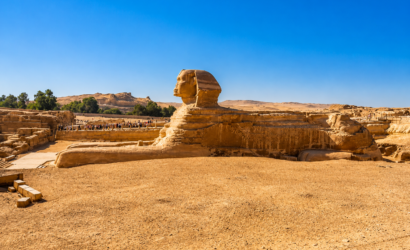
The Great Sphinx, with its human head and lion body, is an important monument whose precise original religious meaning continues to be studied.
Further south, Saqqara provides another fascinating chapter in the development of ancient Egyptian funerary architecture.
The Step Pyramid of Djoser is widely recognized as a major milestone in the history of pyramid construction.
A visit to Giza and Saqqara can help travelers understand how royal burial traditions evolved over time.
- Ancient Egyptian Gods and Goddesses
Understanding ancient Egyptian sacred sites becomes more rewarding when visitors learn about the deities represented in temple decorations and religious inscriptions.
Some of the most important include:
Ra: The sun god, associated with creation and the daily journey of the sun.
Amun: A major deity of Thebes who became one of the most influential gods in ancient Egypt.
Isis: A powerful goddess associated with motherhood, protection, and magic in ancient Egyptian religious traditions.
Osiris: A deity connected with death, renewal, and the afterlife.
Horus: A falcon-associated god linked with kingship and divine protection.
Hathor: A goddess associated with music, joy, motherhood, and the sky.
Anubis: A deity associated with mummification and funerary practices.
Thoth: A god connected with writing, knowledge, and wisdom.
Your guide can explain how these deities appear in temple scenes and how their stories influenced ancient Egyptian religious life.
- Sacred Architecture, Symbols and Hieroglyphics
Ancient Egyptian temples were carefully designed religious spaces. Their entrances, courtyards, halls, sanctuaries, and decorative programs had symbolic and ceremonial importance.
Many temples followed architectural arrangements that reflected ancient Egyptian ideas about the universe and the divine.
Reliefs and hieroglyphic inscriptions recorded royal achievements, religious ceremonies, offerings, and mythological stories.
Some well-known symbols include:
Ankh: Commonly associated with life.
Djed Pillar: Associated with stability and traditionally connected with Osiris.
Eye of Horus: A symbol associated with protection and restoration.
Scarab: Associated with renewal and the movement of the sun.
Was Scepter: A symbol associated with power and authority.
These symbols should be understood within their historical and religious contexts rather than through unsupported modern interpretations.
- Optional Reflection and Cultural Experiences
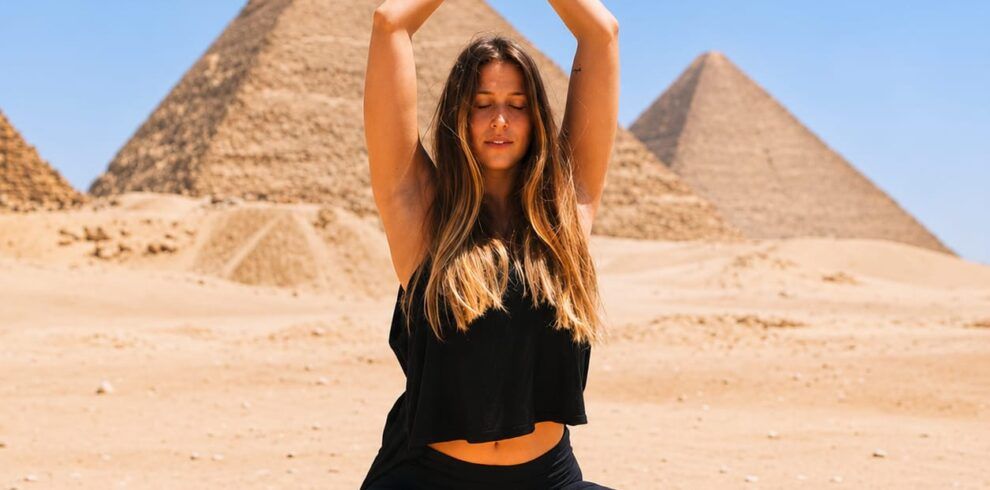
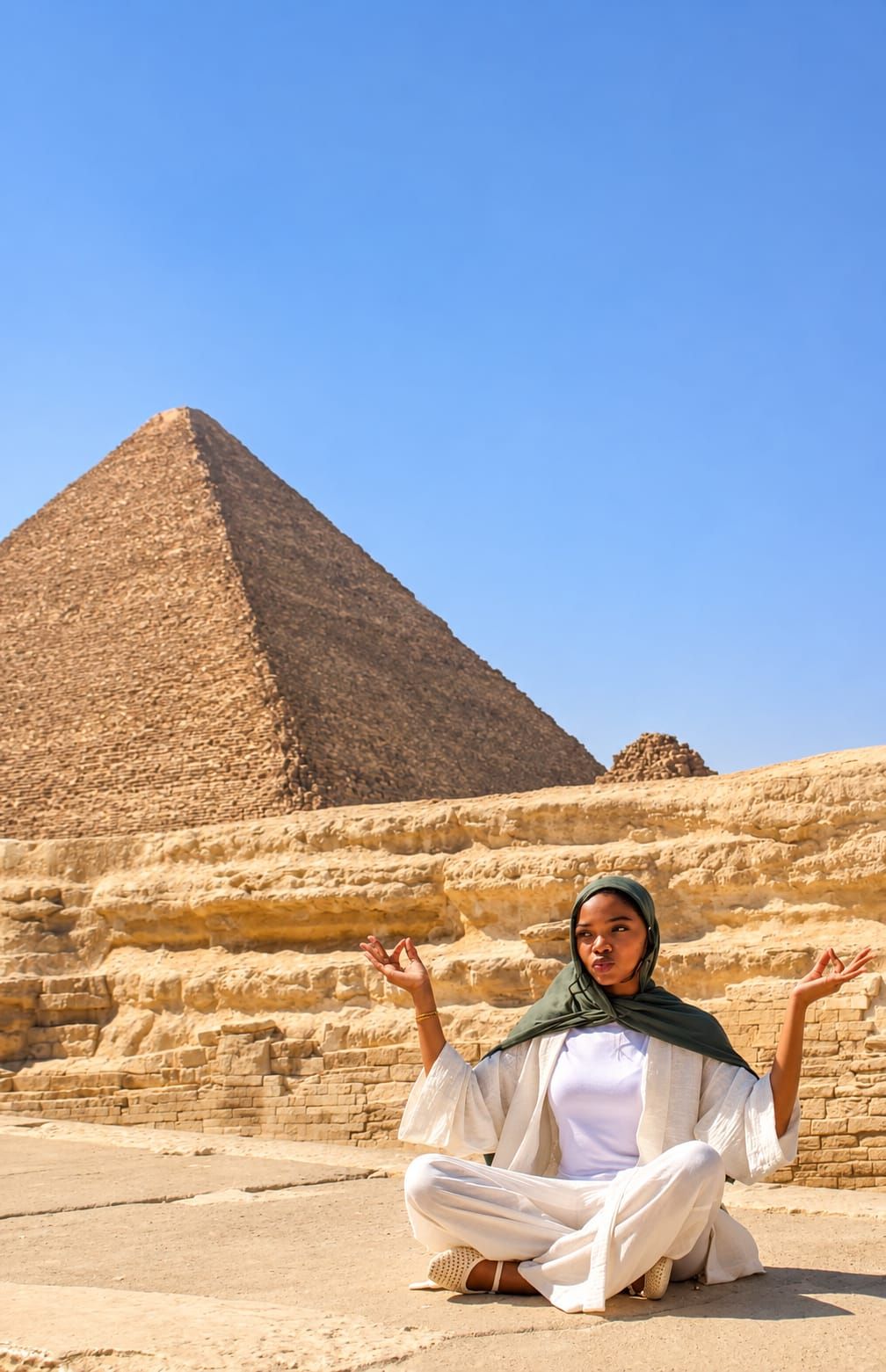
For travelers interested in a more reflective experience, some tours may include optional moments of quiet contemplation in suitable visitor areas.
These activities can provide time to appreciate the atmosphere, architecture, landscape, and historical significance of the monuments.
Depending on the selected destination and arrangements, additional experiences may include:
Quiet personal reflection.
Guided historical storytelling.
Exploring ancient symbolism and mythology.
Walking through temple courtyards and archaeological landscapes.
Photography at permitted locations.
Learning about ancient religious ceremonies and traditions.
All activities must respect official archaeological site regulations. Organized meditation, private ceremonies, or access to restricted spaces are not automatically included.
- Choose Your Ancient Egyptian Sacred Sites Tour
Our tours can be customized according to your interests, available time, and preferred destinations.
Half-Day Experience
Explore selected historical and sacred monuments in Giza or Saqqara. This option is ideal for travelers with limited time.
Full-Day Experience
Discover important temples or archaeological sites in a selected destination, accompanied by an Egyptologist guide.
3 Days / 2 Nights – Luxor and Dendera
Explore the religious heritage of ancient Thebes, including Karnak Temple, Luxor Temple, the Valley of the Kings, Hatshepsut Temple, and Dendera Temple, according to the confirmed itinerary.
Customized Multi-Day Journey
Combine destinations such as Cairo, Saqqara, Luxor, Abydos, Dendera, Aswan, and Abu Simbel in a longer private journey.
Long-distance destinations may require domestic flights, train journeys, or additional overnight stays.
- Practical Information Before Your Visit
To make your experience comfortable and enjoyable, consider the following recommendations:
Best Time to Visit: October through April generally offers more comfortable conditions for exploring archaeological sites. During warmer months, early morning visits are recommended.
What to Wear: Choose comfortable, lightweight clothing and suitable walking shoes. A hat, sunglasses, and sunscreen are useful for outdoor sightseeing.
What to Bring: Carry drinking water, personal essentials, and a camera. Photography rules vary between monuments and individual tombs.
Walking Conditions: Archaeological sites can involve uneven surfaces, stairs, and extended walking. The level of physical activity depends on the selected itinerary.
Entrance Tickets: Tickets are included only when clearly specified in the selected package. Special tombs and additional areas may require separate tickets.
Professional Guide: A licensed Egyptologist guide can be arranged, subject to availability and language confirmation.
Transportation: Private air-conditioned transportation can be arranged according to your itinerary and package.
- Why Choose Let’s Explore Egypt Travel?
Let’s Explore Egypt Travel has been organizing Egypt travel experiences since 2009, helping international visitors discover the country’s historical monuments, cultural traditions, and remarkable destinations.
Our team can assist with private transportation, licensed Egyptologist guides, customized itineraries, and travel arrangements according to your requirements.
We focus on clear communication, practical planning, and experiences that respect Egypt’s archaeological heritage.
Whether you want to explore the great temples of Luxor, discover the mythology of Dendera, visit the royal tombs of the Valley of the Kings, or understand the religious importance of Philae, we can help organize an experience suited to your interests.
Frequently Asked Questions
Are these tours suitable for people interested in ancient spirituality?
Yes. They are suitable for travelers interested in ancient Egyptian religious beliefs, mythology, symbolism, sacred architecture, and cultural history.
Do I need previous knowledge of ancient Egyptian history?
No. Your Egyptologist guide can explain the historical background and religious traditions in an accessible way.
Can I visit more than one destination?
Yes. Multi-day private itineraries can combine different archaeological destinations, depending on travel time and availability.
Are spiritual ceremonies included?
No. The tours focus on historical and cultural heritage. Optional personal reflection may be possible in permitted visitor areas, but ceremonies and special access are not guaranteed.
Are entrance tickets included?
Only when specifically stated in your confirmed package.
Can the tour be private?
Yes. Private experiences can be arranged according to your preferred dates, group size, destination, and guide availability.
Discover the Sacred Heritage of Ancient Egypt
From the monumental temples of Karnak and Luxor to the decorated tombs of the Valley of the Kings, from the sanctuary of Hathor at Dendera to the Temple of Isis at Philae, Egypt offers an extraordinary journey through thousands of years of religious and cultural history.
Explore the stories, symbols, architecture, and beliefs that shaped ancient Egyptian civilization with Let’s Explore Egypt Travel.
Contact us to customize your Ancient Egyptian Sacred Sites & Spiritual Tour and discover the remarkable heritage of Egypt at your own pace.
Frequently Asked Questions
These tours explore Egypt's ancient temples, pyramids, tombs, and religious centers while explaining ancient Egyptian mythology, beliefs, rituals, sacred architecture, and cultural traditions.
Depending on your selected itinerary, you may visit the Giza Pyramids, Saqqara, Karnak Temple, Luxor Temple, Valley of the Kings, Dendera Temple, Abydos, Philae Temple, and Abu Simbel.
Luxor is an excellent choice because of its remarkable temples, royal tombs, and ancient religious centers. Dendera and Abydos are also important destinations for understanding ancient Egyptian religious beliefs.
You can choose a half-day experience, full-day tour, 3-day / 2-night journey, or customized multi-day itinerary.
No. The experience focuses on ancient Egyptian history, archaeology, mythology, religious traditions, and cultural heritage. Travelers of all backgrounds and beliefs are welcome.
Yes. Your Egyptologist guide can explain the stories and significance of important deities such as Ra, Amun, Isis, Osiris, Horus, Hathor, Anubis, and Thoth.
A professional licensed Egyptologist guide can be arranged, subject to availability and confirmation. The guide's language will be confirmed before booking.
Yes. Private guided tours can be arranged, allowing you to explore the sites at a comfortable pace and ask questions throughout the experience.
Entrance tickets are included only if specifically mentioned in your selected package. Additional tickets may be required for special tombs or certain archaeological areas.
Some interior visits require separate tickets and depend on official access arrangements. Entry is not guaranteed and may be subject to closures or restrictions.