Choosing the right Egyptologist guide in Egypt can transform an ordinary sightseeing trip into a memorable journey through one of the world’s oldest civilizations. From the Great Pyramids of Giza and the temples of Luxor to the royal tombs of Aswan and the monumental temples of Abu Simbel, Egypt offers extraordinary historical sites that deserve more than a quick visit.
However, finding the right guide requires more than choosing the cheapest tour or the first available option. Travelers should consider professional licensing, historical knowledge, language skills, customer reviews, itinerary planning, and the services included in the price.
Whether you are visiting Egypt for the first time, planning a private family holiday, or organizing a multi-day historical adventure, this guide explains how to choose a qualified Egyptologist guide and get the most out of your visit.
At Let’s Explore Egypt, travelers can explore private sightseeing experiences and multi-day itineraries designed around Egypt’s major historical destinations.
What Is an Egyptologist Guide in Egypt?
An Egyptologist specializes in the study of ancient Egyptian civilization, including its history, archaeology, religious beliefs, architecture, inscriptions, and cultural traditions.
An Egyptologist guide helps visitors understand the stories behind ancient monuments instead of simply identifying buildings or repeating historical dates. A knowledgeable guide can explain why a temple was constructed, how ancient Egyptians understood the afterlife, and what archaeological discoveries reveal about daily life thousands of years ago.
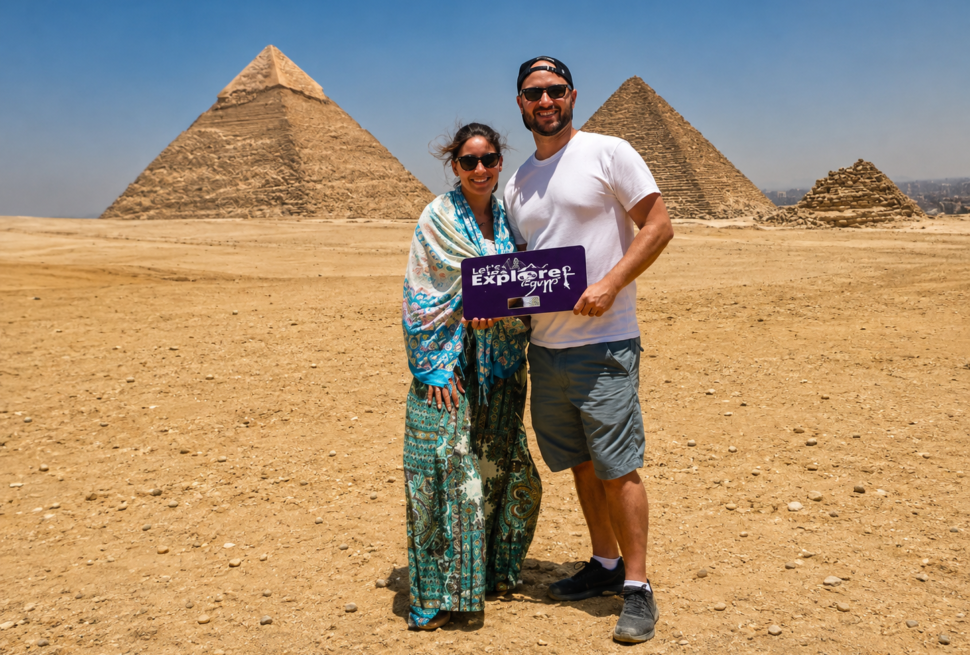
For example, a visit to the Giza Pyramids becomes more meaningful when you understand the relationship between the pyramids, their surrounding temples, the ancient royal burial tradition, and the wider landscape of the Giza Plateau.
At Karnak Temple in Luxor, historical explanations can help you understand the religious significance of the complex, its monumental columns, and the contributions of different pharaohs over several centuries.
It is important to distinguish between an Egyptologist’s academic specialization and a tourist guide’s professional authorization. Someone may have substantial historical knowledge without automatically holding a tourist guiding license.
When booking a guided tour, ask about the guide’s professional authorization, relevant qualifications, experience at the sites you plan to visit, and ability to explain the history in your preferred language.
Why Hire a Licensed Egypt Tour Guide?
Egypt has an exceptionally rich historical heritage, but many archaeological sites are complex and extensive. A qualified guide can help you understand what you are seeing, organize your time, and focus on the places that matter most to you.
1. Understand Ancient Egyptian History
The Pyramids of Giza, the temples of Luxor, and the tombs of the Valley of the Kings represent different periods, religious traditions, and architectural achievements.
A knowledgeable guide connects these monuments to the historical events and beliefs that shaped ancient Egyptian civilization.
Instead of viewing a temple as a collection of columns and statues, you can learn about its religious purpose, symbolic decorations, royal inscriptions, and role in ancient society.
2. Make the Most of Your Time
Travelers often have only one or two days in Cairo, Luxor, or Aswan. Planning the order of visits can make a significant difference, especially when attractions are spread across different areas.
A private guide can help organize an itinerary around your interests, available hours, and transportation arrangements.
If you are planning to visit several destinations, consider a structured itinerary such as our 6-Day Cairo, Luxor & Aswan Tour. This provides a starting point for travelers who want to combine Egypt’s major historical cities in one trip.
3. Enjoy a More Personalized Experience
Every traveler has different interests. Some want detailed explanations of ancient Egyptian religion, while others are more interested in architecture, archaeology, photography, or royal tombs.
A private guided tour allows you to discuss your preferences in advance and, where site conditions and the schedule permit, adjust the pace of your visit.
Families may prefer shorter explanations and more breaks, while history enthusiasts may want to spend longer examining inscriptions and architectural details.
4. Explore Historical Sites with Greater Confidence
Large archaeological complexes can be difficult to navigate, particularly for first-time visitors.
A guide can help you understand the layout of a site, identify important monuments, and prioritize attractions when time is limited.
Guides can also explain visitor regulations and ticket arrangements. Access to individual tombs, restricted areas, and certain monuments remains subject to official rules and availability.
5. Learn About Egyptian Culture Beyond the Pharaohs
Egypt’s history is not limited to the ancient dynasties.
Cairo offers opportunities to explore Islamic architecture and historic neighborhoods. Alexandria reflects Greek, Roman, and Mediterranean influences, while destinations throughout Egypt reveal different traditions and regional identities.
A well-planned guided experience can help you understand these different layers of Egyptian history and culture.
How to Choose the Best Egyptologist Guide
The best guide is not necessarily the one with the lowest price or the most impressive advertising. Look for evidence of professional qualifications, relevant experience, clear communication, and reliable service.
Check the Guide’s Professional License
If you specifically want a licensed tourist guide, ask the company to confirm that the assigned guide holds the appropriate authorization to work as a guide in Egypt.
Do not assume that every driver, tour coordinator, or tour leader is licensed to provide professional sightseeing guidance.
You can also ask who will guide you at each destination, especially if your itinerary includes Cairo, Luxor, Aswan, and Abu Simbel.
Look for Relevant Historical Experience
Ask about the guide’s experience at the sites included in your itinerary.
A guide who regularly works at the Giza Plateau may be particularly familiar with the pyramids and the Sphinx. A guide in Luxor may have extensive experience explaining temple complexes, royal tombs, and the archaeological landscape of ancient Thebes.
For travelers with a strong interest in archaeology, ask whether the guide has relevant academic training or specialized knowledge of the historical period you want to explore.
Confirm the Language Before Booking
An excellent guide must also be able to communicate effectively with you.
English-speaking guides are commonly requested, while travelers may also need Spanish, French, German, Italian, or Portuguese, depending on availability.
Confirm the language of the actual guide assigned to your tour rather than relying only on the languages advertised by the tour company.
Read Customer Reviews Carefully
Customer reviews can provide useful insight into punctuality, historical explanations, communication, organization, and the overall quality of the experience.
Look for detailed and recent reviews describing what the guide actually did.
Pay attention to whether customers mention clear explanations, helpful itinerary planning, transparent prices, and respectful treatment.
Request a Written Itinerary
Before paying or confirming your reservation, request a written itinerary.
It should identify the attractions you will visit, the approximate schedule, the pickup arrangements, and the services included.
For example, a Giza sightseeing tour might include the pyramid plateau and the Great Sphinx, while entrance to an individual pyramid may require a separate ticket.
Never assume that every attraction or optional activity is included simply because it appears in a tour title.
Compare the Full Price, Not Just the Advertised Price
Two tours with similar titles may offer very different services.
One may include only the guide, while another may include a private vehicle, hotel pickup, entrance tickets, lunch, and other arrangements.
Request a clear breakdown before booking so that you can compare equivalent services.
Egyptologist Guide vs. Private Tour Guide: Which Is Better?
An Egyptologist guide emphasizes specialized knowledge of ancient Egyptian civilization. A private tour guide describes the personalized format of the excursion rather than a specific academic qualification.
These categories can overlap: you may be able to book a private tour with a qualified guide who has substantial Egyptological knowledge.
A private tour is particularly useful when you want to travel with your own group, discuss your interests in advance, and avoid following a fixed schedule designed for many participants.
A shared group tour may be more economical for solo travelers or visitors who enjoy meeting other people.
Before choosing, consider the following factors:
- Historical depth: Ask about the guide’s relevant knowledge and experience.
- Flexibility: Confirm whether the schedule can be adjusted.
- Transportation: Check whether hotel pickup and a private vehicle are included.
- Group size: Find out whether you will have a private guide or share the experience with others.
- Entrance tickets: Confirm which attractions and optional tickets are included.
- Language: Verify that the assigned guide speaks your preferred language.
For travelers who want to visit several destinations, a prearranged itinerary may be more convenient than booking each activity separately.
You can compare the structure of our 9-Day Egypt Tour covering Cairo, Luxor, and Aswan with other Egypt multi-day tours to find an itinerary that matches your available time.
Best Destinations to Explore with an Egyptologist Guide
Cairo and the Giza Pyramids
Cairo and Giza are essential stops for travelers interested in ancient Egyptian history.
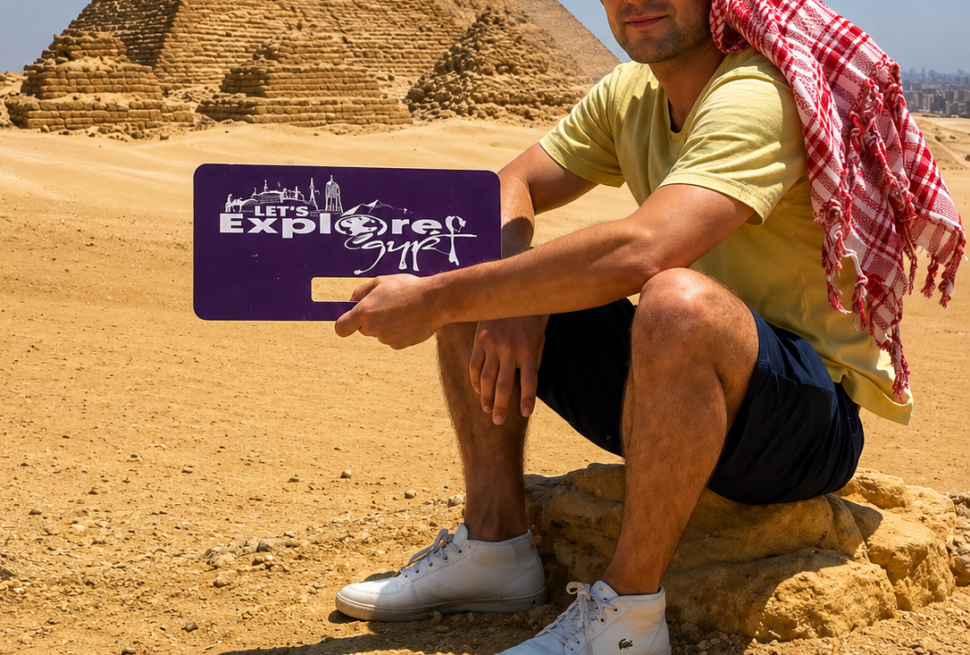
The Giza Plateau contains the Great Pyramid of Khufu, the Pyramid of Khafre, the Pyramid of Menkaure, the Great Sphinx, and other monuments associated with the ancient royal necropolis.
A guide can explain the relationship between these structures, the funerary traditions they represent, and the archaeological evidence that helps researchers understand their construction and purpose.
Depending on your schedule, you may also visit the Grand Egyptian Museum. Check current opening hours, ticket arrangements, and access conditions before traveling.
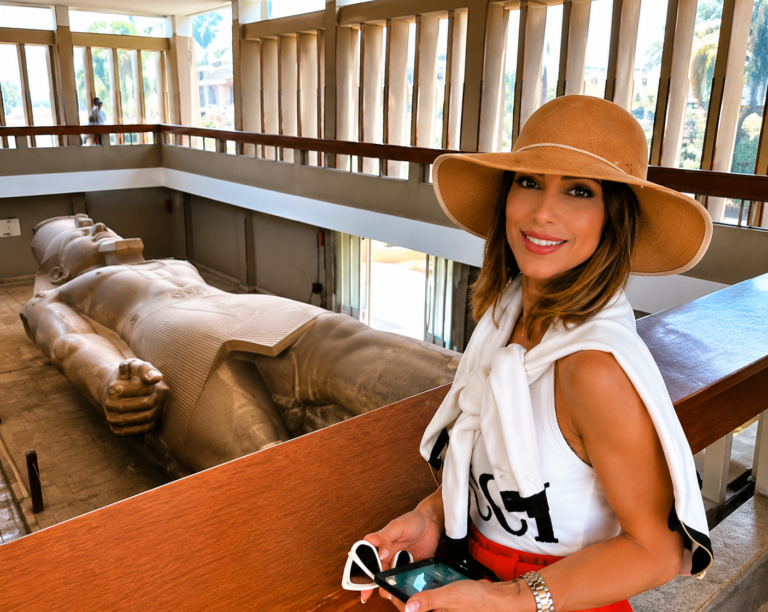
Travelers with additional time can consider Saqqara, home to the Step Pyramid of Djoser, and the archaeological remains associated with ancient Memphis.
When planning your visit, confirm whether your chosen tour includes transportation, entrance tickets, and access to any additional monuments you want to explore.
Luxor and the Valley of the Kings
Luxor is one of Egypt’s most important destinations for ancient temples and royal tombs.
On the East Bank, visitors can explore Karnak Temple and Luxor Temple. On the West Bank, major attractions include the Valley of the Kings, the Temple of Hatshepsut, and the Colossi of Memnon.
A knowledgeable guide can explain how royal power, religious beliefs, and architectural traditions evolved during different periods of ancient Egyptian history.
The Valley of the Kings is especially interesting for visitors who want to understand royal burial practices, tomb decoration, and beliefs about the afterlife.
Some tombs require separate tickets, and visitor access can change. Check current ticket conditions before your visit.
Aswan and Abu Simbel
Aswan offers a different perspective on Egypt’s ancient and modern history.
Important attractions include Philae Temple, the Unfinished Obelisk, and the High Dam. Philae Temple is particularly notable for its association with the goddess Isis and the international project that relocated the temple complex to protect it from rising water levels.
Further south, Abu Simbel is famous for its monumental rock-cut temples commissioned by Ramesses II.
Because Abu Simbel requires additional travel planning, confirm departure times, transportation, entrance tickets, and the expected return time before booking.
If you want to combine southern Egypt’s major historical attractions in a longer trip, consider our 9-Day Egypt Tour including Abu Simbel.
Alexandria
Alexandria provides an opportunity to explore Egypt’s Greek, Roman, and Mediterranean heritage.
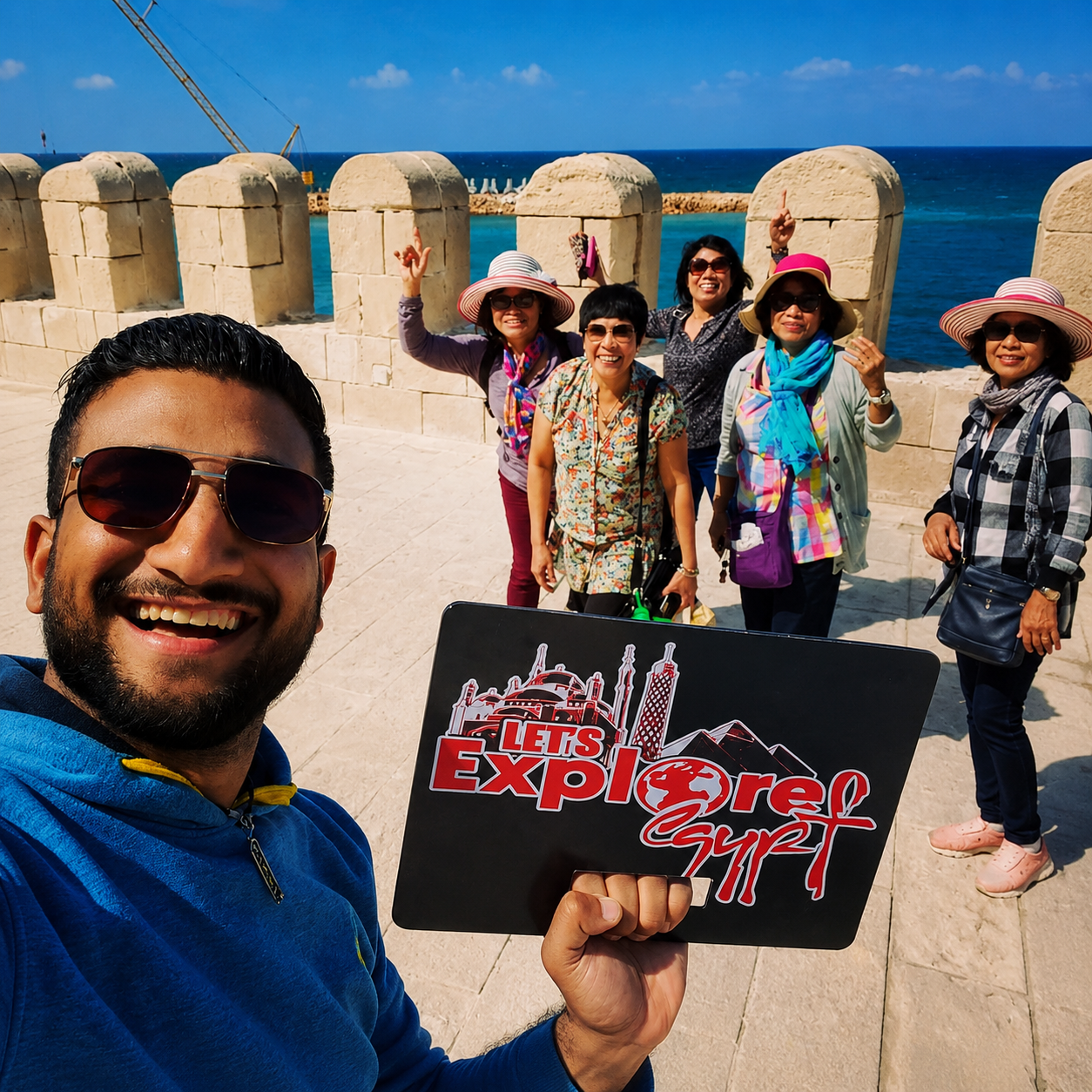
Depending on current opening arrangements, visitors may explore the Catacombs of Kom el Shoqafa, Pompey’s Pillar, the Citadel of Qaitbay, and the Bibliotheca Alexandrina area.
A guide can explain Alexandria’s historical role as a center of scholarship, trade, and cultural exchange.
Alexandria is a useful addition for travelers who want to explore a different historical environment beyond the principal pharaonic monuments.
How Much Does an Egyptologist Guide Cost?
The cost of hiring an Egyptologist guide in Egypt varies according to the destination, tour duration, language, group size, and services included.
There is no single price that applies to every tour.
What Affects the Price?
Destination: Guiding arrangements in Cairo, Luxor, Aswan, and Alexandria may differ depending on local conditions and availability.
Tour duration: A half-day visit generally involves a different service arrangement from a full-day excursion or multi-day itinerary.
Language: Availability of a guide in a particular language may affect the options offered for your travel date.
Private or group experience: A private guide provides individual attention, while shared tours can reduce the cost per traveler.
Transportation: A guide-only booking differs from a package that includes a private vehicle, airport transfers, or intercity transportation.
Entrance tickets: Museum and archaeological-site tickets may be included or charged separately.
Additional services: Meals, optional tomb tickets, photography services, and special transportation can affect the total price.
How to Get an Accurate Quotation
To receive a useful quote, provide your travel date, number of travelers, preferred language, hotel location, and the attractions you want to visit.
Ask the tour provider to confirm:
- Whether a licensed guide is included.
- Whether transportation is private or shared.
- Which entrance tickets are included.
- Whether meals and refreshments are provided.
- Whether there are additional fees.
- What the cancellation and payment conditions are.
For multi-day trips, request a day-by-day itinerary and a clear breakdown of the total cost.
Comparing complete quotations is more reliable than choosing a tour based only on its headline price.
Is a Private Egyptologist Guide Worth It?
For many travelers, hiring a knowledgeable guide is a worthwhile investment, particularly when visiting Egypt for the first time.
A guide can help you understand the monuments, ask questions, organize your sightseeing, and make better use of limited time.
Private guiding can be especially useful for:
- Couples who want a personalized sightseeing experience.
- Families who need a flexible pace.
- History enthusiasts who want detailed explanations.
- Travelers with limited time in Cairo, Luxor, or Aswan.
- Small groups who prefer to travel together.
- Visitors planning several destinations in one itinerary.
However, a private tour is not essential for everyone. Independent travelers may prefer to explore at their own pace, while budget-conscious visitors may find a shared tour more suitable.
The right decision depends on how much guidance you want, your available budget, and the type of experience you hope to have.
Questions to Ask Before Booking an Egyptologist Guide
Before confirming your reservation, ask the following questions:
- Is the assigned guide professionally licensed to provide tourist guiding services in Egypt?
- What relevant qualifications or historical experience does the guide have?
- Can the guide conduct the tour in my preferred language?
- Has the guide worked at the attractions included in my itinerary?
- Is the tour private or shared?
- Is hotel pickup and drop-off included?
- Are entrance tickets included, including optional tomb tickets?
- How long will we spend at each attraction?
- Are lunch and other refreshments included?
- What is the cancellation policy?
- Are there any additional charges?
- Will I receive a written itinerary and booking confirmation?
Clear answers to these questions help you understand exactly what you are booking and reduce the risk of unexpected expenses.
Frequently Asked Questions About Egyptologist Guides
What is an Egyptologist guide?
An Egyptologist guide is a guide with specialized knowledge of ancient Egyptian civilization who explains the history, archaeology, architecture, and cultural significance of historical sites. Always verify professional guiding authorization separately when you require a licensed tourist guide.
How do I find a licensed Egyptologist guide in Egypt?
Look for an established tour provider, ask for confirmation of the assigned guide’s professional authorization, review recent customer feedback, and request a written itinerary. Confirm the guide’s language and experience at your intended destinations before booking.
Can I hire a private Egyptologist guide in Cairo?
Private guided tours can be arranged in Cairo and Giza, subject to availability. Confirm whether the service includes only guiding or also transportation, entrance tickets, and hotel pickup.
Can I hire an Egyptologist guide in Luxor and Aswan?
Guided sightseeing services are available in both destinations, although the guide assigned to each city may differ. For a multi-city itinerary, confirm the guiding arrangements for each destination before booking.
Are entrance tickets included in the guide’s price?
Not necessarily. Some packages include entrance tickets, while others charge them separately. Ask for a written list of included attractions and any optional tickets before confirming your reservation.
Is an Egyptologist guide suitable for families?
Yes. A guided tour can help families understand historical sites while organizing visits around children’s interests and energy levels. Ask about walking distances, rest breaks, and the total duration of the excursion.
Can one guide accompany me throughout Egypt?
This depends on the itinerary, guide availability, and the applicable professional arrangements. Some trips use different local guides in different cities. Confirm who will guide each part of your journey and whether transportation between destinations is included.
How far in advance should I book a guide?
Booking in advance is advisable, particularly during busy travel periods or when you require a specific language. Early planning also allows more time to coordinate tickets, transportation, and hotel pickups.
Should I book a guide-only service or a complete Egypt tour package?
A guide-only service may be suitable if you have already arranged transportation and other logistics. A complete tour package may be more convenient if you need guiding, private transportation, entrance tickets, and multiple destinations coordinated together.
Book Your Egypt Experience with Let’s Explore Egypt
Choosing the right Egyptologist guide can help you discover the historical significance of Egypt’s monuments while making your journey more organized and rewarding.
Whether you want to explore the Giza Pyramids, discover Luxor’s ancient temples, visit Aswan, or arrange a multi-day journey to Abu Simbel, take time to compare qualifications, itineraries, and included services before booking.
Let’s Explore Egypt can help you explore available private sightseeing experiences and multi-day itineraries based on your destinations, travel dates, and group requirements.
Recommended Egypt Tours


Why You Can Trust Let's Explore Egypt
This article was written and reviewed by the Let's Explore Egypt Editorial Team, a licensed Egyptian tour operator specializing in private Egypt tours, Nile cruises, and tailor-made travel experiences since 2009.
- 🏛 Licensed Egyptian Tour Operator Since 2009
- ⭐ Trusted by Thousands of Travelers Worldwide
- 👨🏫 Written & Reviewed by Local Egypt Travel Experts
- 🚐 Private Tours & Tailor-Made Travel Experiences
- 📞 24/7 Customer Support