

Egypt is one of the world’s greatest destinations for history lovers, but exploring it doesn’t have to mean walking for hours every day.
For seniors, travelers with limited mobility, and anyone who simply prefers a slower pace, the key is not avoiding Egypt — it’s designing the itinerary differently.
A well-planned private Egypt tour can reduce unnecessary walking, include comfortable transportation, allow frequent breaks, and focus on the attractions that provide the greatest experience without making every day physically demanding.
From the Pyramids of Giza to the Nile Valley and the temples of Luxor, there are several ways to experience Egypt comfortably.
If you’re planning a trip for an older traveler, our guide to Egypt Tours for Seniors: Complete Guide to Comfortable & Easy Travel explains the broader considerations, including hotels, transportation, weather, and itinerary planning.
You can also read Is Egypt Suitable for Older Travelers? A Complete Guide for Seniors for more information about traveling comfortably in Egypt at an older age.
Can You Visit Egypt Without Walking a Lot?
Yes.
You cannot completely eliminate walking from an Egypt vacation because many archaeological sites require some movement on foot.
However, you can significantly reduce the amount of unnecessary walking.
The biggest difference comes from choosing:
- Private transportation
- Private guides
- Shorter sightseeing days
- Fewer attractions per day
- Convenient hotel locations
- Early morning visits
- Frequent rest breaks
- Carefully selected attractions
- Flexible schedules
The goal isn’t to avoid walking completely.
The goal is to save your energy for the places that matter most.
Why Private Tours Are Better for Travelers Who Need Less Walking
Large group tours usually operate according to a fixed schedule.
Everyone arrives together.
Everyone visits the same attractions.
Everyone leaves at the same time.
That isn’t always ideal for travelers with mobility limitations.
A private tour is different.
You can tell your guide:
“We need a break.”
“Let’s skip this section.”
“We would rather spend more time here.”
“Can the driver pick us up closer to the entrance?”
That flexibility can make a major difference.
The Best Strategy: See More by Doing Less
One of the biggest mistakes travelers make is trying to visit too many attractions in one day.
For example:
Pyramids + Sphinx + Saqqara + Memphis + Dahshur
might look excellent on paper.
But for someone with limited mobility, this could become exhausting.
A better approach might be:
Pyramids + Sphinx + relaxed lunch
and return to the hotel.
You may technically visit fewer sites, but you’ll enjoy the experience much more.
Best Egypt Destinations for Less Walking
Some parts of Egypt are easier to organize for limited walking than others.
The most practical combination can include:
Cairo & Giza
Excellent for private vehicle-based sightseeing.
Nile Cruise
Convenient because your hotel travels with you.
Aswan
Generally offers a slower atmosphere.
Red Sea Resorts
Ideal for relaxing without a sightseeing schedule.
Luxor is also essential for history lovers, but certain archaeological sites require more walking and should be planned carefully.
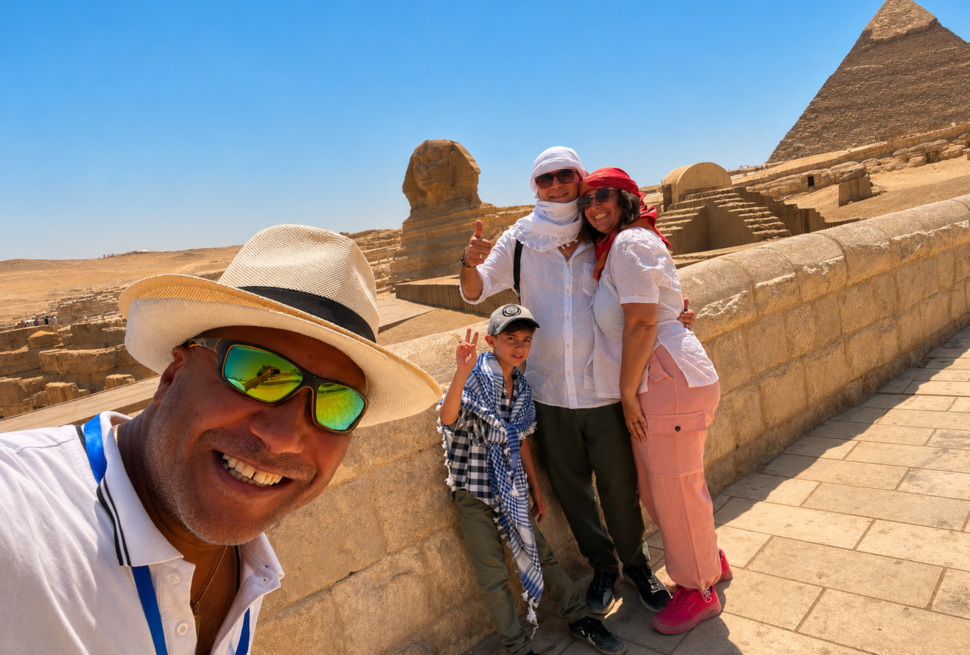
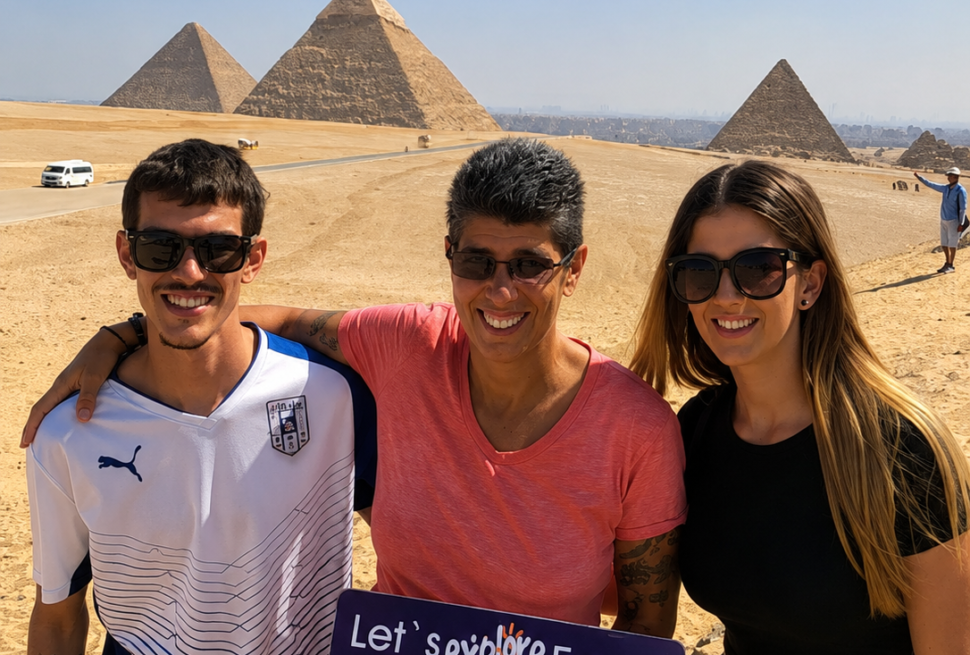
Giza Pyramids With Less Walking
The Pyramids are often the first concern for older travelers.
The good news is that you don’t need to walk across the entire plateau.
A private tour can focus on the major viewpoints.
You can see:
- Great Pyramid
- Khafre Pyramid
- Menkaure Pyramid
- Sphinx
- Valley Temple
- Panoramic views
Your guide can help organize the route according to your physical ability.
Do You Need to Walk Around the Entire Pyramid Plateau?
No.
The Pyramids are enormous, and you can enjoy their scale without covering every corner.
A private vehicle can help minimize the distance between viewpoints where access is permitted.
You can also spend more time at one scenic location rather than trying to visit every possible viewpoint.
Should You Enter the Great Pyramid?
Entering the Great Pyramid is optional.
The interior involves narrow passages and physical movement that some travelers may find uncomfortable.
If mobility is limited, don’t feel that you’re missing the experience by staying outside.
The exterior of the Great Pyramid is itself one of the world’s most extraordinary sights.
If entering is important to you, discuss the conditions with your guide before making a decision.
Grand Egyptian Museum With Less Walking
The Grand Egyptian Museum provides a major advantage for travelers who prefer indoor sightseeing.
You can explore Egypt’s history away from the outdoor heat.
However, the museum is large, so there can still be substantial walking.
The best strategy is to focus on the major highlights.
Your Egyptologist can guide you through the most important collections without requiring you to visit every gallery.
Take advantage of seating areas and don’t rush.
Cairo Sightseeing: Choose Quality Over Quantity
Instead of trying to visit every Cairo attraction in one day, divide them into separate experiences.
For example:
Day One
Giza Pyramids + Sphinx + lunch.
Day Two
Grand Egyptian Museum + relaxed afternoon.
Day Three
Selected Historic Cairo attractions.
This creates a much more comfortable schedule.
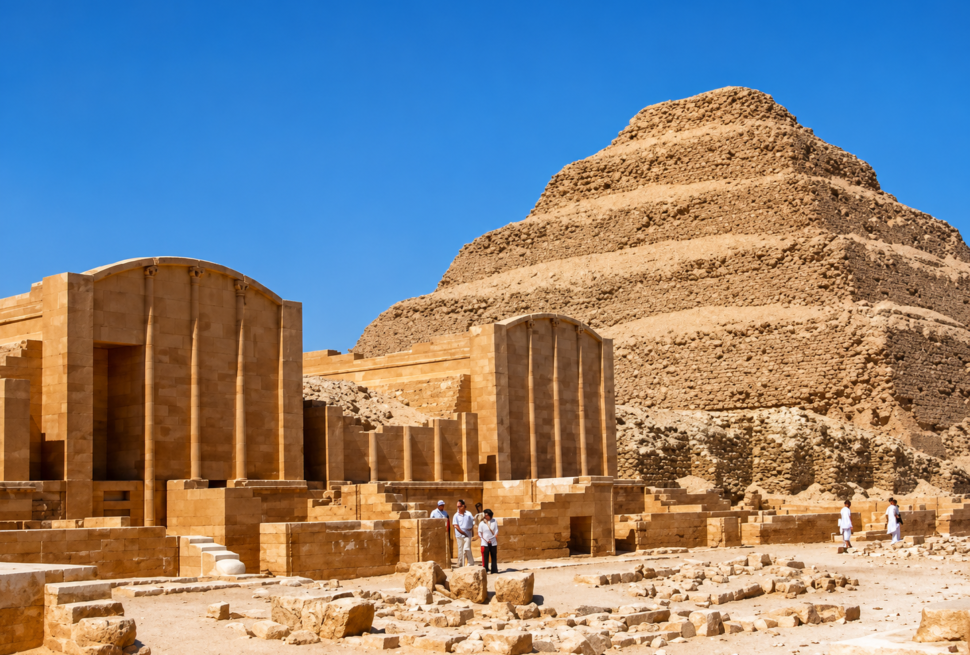
Saqqara With Less Walking
Saqqara is an excellent addition to a Cairo itinerary, especially for travelers interested in ancient Egyptian history.
However, the archaeological area is large.
You don’t need to explore everything.
Focus on key highlights such as:
- Step Pyramid of Djoser
- Selected tombs
- Important archaeological viewpoints
Your guide can prioritize the most significant areas.
Is Memphis Suitable for Seniors?
Memphis is relatively easy to combine with Saqqara because it can be visited as a shorter stop.
You can see important monuments and continue by private vehicle.
It works well as part of a carefully paced private itinerary.
Luxor With Less Walking
Luxor requires more careful planning.
The city contains an extraordinary concentration of monuments, but some sites are large and exposed to the sun.
A senior-friendly Luxor itinerary should avoid trying to visit everything in one day.
Instead, divide the attractions.
Valley of the Kings: Plan Carefully
The Valley of the Kings is one of the most important sites in Egypt.
It is also one of the more physically demanding locations.
There can be:
- Uneven terrain
- Slopes
- Sun exposure
- Steps
- Walking between areas
You don’t have to visit many tombs.
Choose a small number of important tombs and take your time.
If you have significant mobility limitations, discuss the available arrangements with your tour company before visiting.
Hatshepsut Temple
Hatshepsut Temple is spectacular but requires walking across an open area.
Visit early when temperatures are more comfortable.
Wear supportive shoes and carry water.
If walking is difficult, don’t rush.
The monument is best enjoyed slowly.
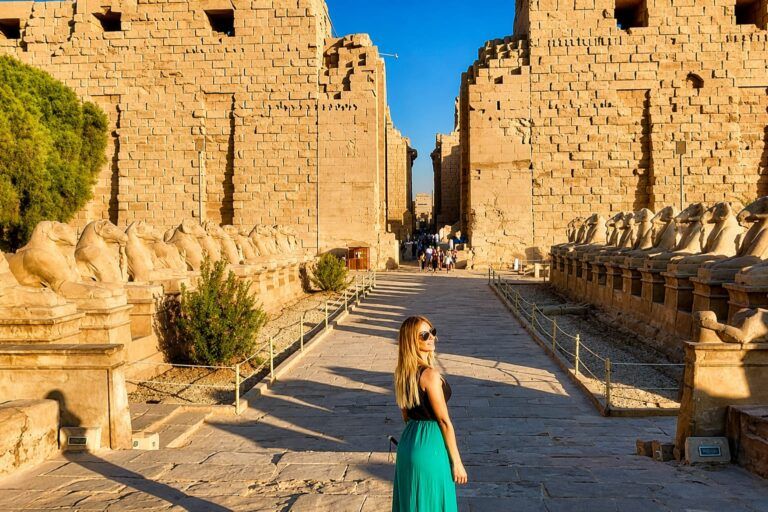
Karnak Temple With Less Walking
Karnak is huge.
Trying to explore the entire complex can be exhausting.
Instead, ask your Egyptologist to focus on the highlights.
Important areas include:
- Great Hypostyle Hall
- Major pylons
- Obelisks
- Sacred Lake
- Important temple sections
A knowledgeable guide can provide a meaningful experience without turning the visit into a long-distance walk.
Luxor Temple
Luxor Temple can be easier to manage than some larger archaeological areas because the main monument is relatively concentrated.
It can be particularly pleasant around the late afternoon or evening when temperatures are lower.
Your private vehicle can bring you close to the sightseeing area, subject to local access rules.
Why the Nile Cruise Is One of the Best Choices
For travelers who want less walking and fewer hotel changes, a Nile Cruise is particularly attractive.
Instead of moving between:
Luxor → Edfu → Kom Ombo → Aswan
by road and changing hotels repeatedly, your accommodation moves with you.
You can:
- Sleep in the same cabin
- Eat onboard
- Relax on deck
- Visit temples
- Return to the ship
- Watch the Nile
This makes the cruise a natural part of a comfortable Egypt itinerary.
Choosing the Right Cruise Cabin
When traveling with limited mobility, cabin location matters.
Ask about:
- Elevator access
- Distance from the restaurant
- Distance from the sun deck
- Number of stairs
- Bathroom design
- Cabin size
A lower or centrally located cabin may sometimes be more convenient than simply choosing the highest deck.
Edfu and Kom Ombo
These temples are normally visited during the cruise.
They can involve walking, but the visits can be kept relatively focused.
Your guide should explain the main features without requiring you to explore every corner.
If mobility is limited, communicate this before the cruise so the sightseeing plan can be adapted.
Aswan for Travelers Who Prefer a Slower Pace
Aswan is an excellent destination for travelers who want to slow down.
Instead of filling the day with multiple attractions, choose one or two experiences.
For example:
Philae Temple + relaxed Nile experience
can be enough for an entire day.
Philae Temple
Philae requires a boat ride to reach the island.
The experience is beautiful, but some walking is required at the site.
If mobility is limited, discuss the route and access arrangements with your guide before visiting.
Red Sea: The Easiest Part of the Trip
If your goal is to reduce walking, a Red Sea resort is an excellent way to finish your Egypt vacation.
You can spend your days:
- Relaxing by the pool
- Sitting beside the sea
- Enjoying meals
- Having spa treatments
- Taking short boat trips
- Swimming if comfortable
You don’t need a sightseeing schedule every day.
Hurghada for a Relaxed Stay
Hurghada has a wide selection of resorts and can work particularly well after a Nile itinerary.
A comfortable resort stay allows travelers to recover after several days of sightseeing.
Choose a property with:
- Elevators
- Easy room access
- Restaurants nearby
- Comfortable seating
- Accessible facilities
- Beach or pool access
El Gouna for a Quieter Resort Experience
El Gouna can be another option for travelers who prefer a relaxed resort environment.
Its restaurants, lagoons, and hotels provide opportunities to enjoy Egypt without spending the entire day visiting monuments.
How to Build a Low-Walking Egypt Itinerary
A comfortable itinerary should have a rhythm.
For example:
Day 1
Arrival and hotel rest.
Day 2
Giza Pyramids and Sphinx.
Day 3
Grand Egyptian Museum.
Day 4
Fly to Luxor.
Day 5
Luxor highlights.
Days 6–8
Nile Cruise.
Day 9
Aswan.
Days 10–12
Red Sea relaxation.
This structure provides sightseeing while leaving enough time to recover.
The Importance of Starting Early
Early morning is one of the easiest ways to make Egypt more comfortable.
Temperatures are usually more manageable, particularly during warmer months.
Early starts can also mean:
- Fewer crowds
- Better photography
- Less heat
- More comfortable outdoor sightseeing
After the main morning attractions, return for lunch and rest whenever possible.
Schedule Rest Before You Need It
Don’t wait until you’re exhausted before taking a break.
Build breaks into the itinerary.
For example:
Morning sightseeing
↓
Coffee / rest
↓
One major attraction
↓
Lunch
↓
Hotel or cruise relaxation
This is much better than sightseeing continuously until everyone is exhausted.
Choosing the Right Hotel
Hotel selection matters enormously for travelers with limited mobility.
Look for:
- Elevators
- Ground-floor or accessible rooms when appropriate
- Comfortable bathrooms
- Easy entrances
- Air conditioning
- Restaurant facilities
- Comfortable beds
- Convenient location
Always communicate specific mobility requirements before arrival.
What Transportation Works Best?
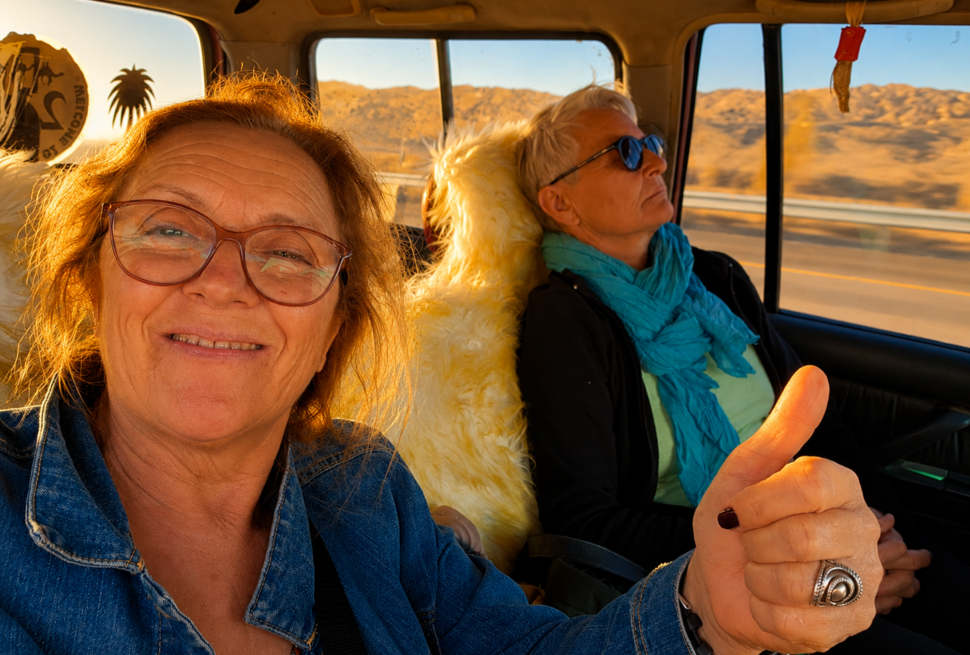
For most sightseeing days, a private air-conditioned vehicle is the most practical choice.
It provides:
Door-to-door transportation
Flexible timing
Private space
Reduced walking
Easy luggage handling
Quick access to rest
For longer distances, domestic flights can also help reduce tiring road journeys.
What About Wheelchairs?
Travelers using wheelchairs can visit Egypt, but accessibility varies between destinations.
Ancient monuments can have stairs, sand, uneven surfaces, and narrow areas.
The important thing is to plan the trip around realistic accessibility.
Before booking, tell your tour company:
- Wheelchair type
- Whether it is foldable
- Whether assistance is required
- Walking ability
- Stair limitations
- Hotel requirements
This information allows the itinerary to be designed properly.
What About Travelers Using Canes or Walkers?
A cane or walker can be useful, but archaeological sites may have rough surfaces.
Comfortable supportive footwear is important.
A private vehicle is also valuable because it allows travelers to rest between attractions.
If you use a walker, confirm that the vehicle has enough space before booking.
Best Time for a Low-Walking Egypt Tour
The cooler months are generally preferable.
October through April offers more comfortable sightseeing conditions in Cairo, Luxor, and Aswan.
During hotter months, schedule outdoor activities early.
Use afternoons for:
- Museums
- Lunch
- Hotel rest
- Nile Cruise relaxation
- Pool time
What to Bring
Travelers who want a comfortable low-walking itinerary should pack:
- Supportive walking shoes
- Hat
- Sunglasses
- Sunscreen
- Lightweight clothing
- Personal medication
- Water bottle
- Small day bag
- Light jacket
- Any required mobility equipment
Avoid shoes that are difficult to walk in on sand or uneven ground.
Should You Visit Every Major Attraction?
No.
This is one of the most important pieces of advice.
Egypt has too many incredible attractions to see everything in one trip.
Trying to do so can turn your vacation into a physical challenge.
Instead, select the experiences that matter most to you.
If the Pyramids are your priority, spend more time there.
If ancient temples are your passion, prioritize Luxor and the Nile.
If relaxation is important, add more Red Sea days.
A 7-Day Low-Walking Egypt Itinerary
For a shorter trip:
Day 1
Arrival in Cairo.
Day 2
Giza Pyramids and Sphinx.
Day 3
Grand Egyptian Museum.
Day 4
Fly to Luxor.
Day 5
Luxor highlights.
Day 6
Nile experience or Aswan.
Day 7
Departure.
This is a relatively compact itinerary and should be adjusted according to mobility and flight schedules.
A 10-Day Comfortable Itinerary
Days 1–3
Cairo and Giza.
Day 4
Fly to Luxor.
Days 5–8
Nile Cruise.
Day 9
Aswan.
Day 10
Departure.
For a more detailed senior-focused approach, see Is Egypt Suitable for Older Travelers?.
A 12-Day Relaxed Itinerary
Days 1–3
Cairo.
Day 4
Fly to Luxor.
Days 5–8
Nile Cruise.
Day 9
Aswan.
Days 10–12
Red Sea.
This is one of the better options for travelers who want to combine sightseeing with genuine relaxation.
What Makes a Low-Walking Tour Successful?
The secret isn’t simply reducing the number of attractions.
It’s reducing unnecessary physical effort.
That means:
- Private transportation
- Efficient routing
- Early starts
- Fewer major attractions per day
- Comfortable hotels
- Regular breaks
- Flexible guides
- Realistic expectations
A traveler may still walk at the Pyramids or temples.
But they shouldn’t be exhausted by walking between places that could have been reached by vehicle.
Frequently Asked Questions
Can I visit Egypt if I cannot walk long distances?
Yes. Many travelers with limited walking ability visit Egypt successfully with private transportation and a customized itinerary.
Can I visit the Pyramids without walking a lot?
Yes. You can focus on major viewpoints and use private transportation to reduce unnecessary walking.
Is the Nile Cruise good for travelers with limited mobility?
It can be an excellent option because your accommodation travels with you. However, cruise ships differ in accessibility, so ask about elevators, stairs, and cabin location before booking.
Can wheelchair users visit Egypt?
Yes, but accessibility varies significantly between attractions. The itinerary should be planned around the traveler’s specific mobility requirements.
Should seniors choose a private tour?
A private tour is often the most comfortable option because the schedule can be adjusted around the traveler’s pace.
What is the best time for a low-walking Egypt vacation?
The cooler months, especially October through April, are generally more comfortable.
Do I need to visit every attraction?
No. A slower itinerary with fewer carefully selected attractions is usually a much better experience.
Final Thoughts
You don’t need to be an athlete to experience Egypt.
You don’t need to walk for eight hours a day.
And you certainly don’t need to see every monument in one trip.
With private transportation, an experienced Egyptologist, carefully selected attractions, and enough time to rest, Egypt can be enjoyed at a comfortable pace.
See the Pyramids without rushing.
Explore the museum at your own speed.
Choose a few of Luxor’s most important monuments.
Let the Nile Cruise carry you south.
Spend a peaceful day in Aswan.
Then finish beside the Red Sea.
The best low-walking Egypt tour isn’t about seeing less. It’s about using your energy where it matters most.
Recommended Egypt Tours

Why You Can Trust Let's Explore Egypt
This article was written and reviewed by the Let's Explore Egypt Editorial Team, a licensed Egyptian tour operator specializing in private Egypt tours, Nile cruises, and tailor-made travel experiences since 2009.
- 🏛 Licensed Egyptian Tour Operator Since 2009
- ⭐ Trusted by Thousands of Travelers Worldwide
- 👨🏫 Written & Reviewed by Local Egypt Travel Experts
- 🚐 Private Tours & Tailor-Made Travel Experiences
- 📞 24/7 Customer Support