More Info
The M/S Nile Treasure Cruise – 4 Nights from Luxor to Aswan is a comfortable way to discover the history, culture, and landscapes of Upper Egypt while traveling along the legendary Nile River. This 5-day, 4-night journey connects two of Egypt’s most important historical destinations, Luxor and Aswan, with stops at remarkable temples and archaeological sites along the way.
A Nile cruise offers a unique style of travel because the river becomes part of the experience. Instead of spending your vacation moving between different hotels and traveling long distances by road, you stay onboard the cruise while the ship carries you gradually through the Nile Valley. Each day combines sightseeing with time to relax, enjoy the scenery, and experience life along the river.
Why Choose the M/S Nile Treasure Cruise?
The M/S Nile Treasure is a good choice for travelers who want to experience the classic Luxor-to-Aswan Nile cruise route in a comfortable and organized way.
The itinerary covers many of the essential attractions of Upper Egypt, including the temples of Luxor, the royal tombs of the Valley of the Kings, the Temple of Horus at Edfu, Kom Ombo Temple, and the major attractions of Aswan.
The cruise also gives travelers time away from the busy streets and roads. While the ship sails between destinations, guests can sit on the sun deck, relax by the swimming pool, enjoy a meal, or simply watch the Nile Valley pass by.
This combination of sightseeing and relaxation is one of the main reasons Nile cruises remain popular with international visitors.
Starting Your Journey in Luxor
Luxor is the ideal starting point for a Nile cruise because it contains one of the largest concentrations of ancient Egyptian monuments in the country.
The city was once ancient Thebes, a powerful religious and political center. Today, the remains of temples, tombs, and monuments on both sides of the Nile make Luxor one of Egypt’s most important archaeological destinations.
After boarding the M/S Nile Treasure, guests can begin exploring the East Bank.
The East Bank is home to two spectacular temple complexes: Karnak Temple and Luxor Temple.
Discover Karnak Temple
Karnak Temple is one of the most impressive archaeological sites in Egypt.
Rather than being a single temple, Karnak is a huge complex that developed over many centuries. Pharaohs added pylons, courtyards, sanctuaries, statues, columns, and other structures to the site.
One of its most famous areas is the Great Hypostyle Hall, where enormous columns create an unforgettable architectural scene.
Walking through Karnak with an Egyptologist allows visitors to understand how the complex developed and why the area became so important to ancient Egyptian religion.
The scale of Karnak is difficult to appreciate from photographs alone. Exploring the site in person provides a much stronger impression of the engineering and artistic abilities of ancient Egyptian civilization.
Visit Luxor Temple
Luxor Temple provides a different perspective on ancient Thebes.
Located close to the modern city, the temple contains monumental statues, massive columns, decorated walls, and large courtyards.
The temple was closely connected with the religious traditions of ancient Thebes and was associated with the annual Opet Festival.
The combination of Karnak Temple and Luxor Temple gives visitors a strong introduction to the religious and architectural heritage of Luxor.
Luxor West Bank and the Valley of the Kings
The second major stage of the journey explores the West Bank of Luxor.
Crossing the Nile takes travelers from the green agricultural landscape into the desert and mountain scenery surrounding the royal necropolis.
The most famous attraction here is the Valley of the Kings.
The valley contains numerous tombs built for pharaohs and important figures during the New Kingdom.
Unlike the enormous pyramids of earlier periods, these tombs were cut into the rock in an attempt to provide more concealed burial places.
Inside the tombs, visitors can see colorful paintings, hieroglyphic inscriptions, religious scenes, and representations of ancient Egyptian gods.
The tombs available for entry can vary according to local regulations and ticket arrangements.
Temple of Queen Hatshepsut
The West Bank sightseeing program also includes the impressive Temple of Queen Hatshepsut.
Built at Deir el-Bahari, the temple is characterized by its large terraces and dramatic position beneath the surrounding cliffs.
Queen Hatshepsut was one of ancient Egypt’s most important female rulers.
Her temple contains reliefs and architectural features connected with her reign and her relationship with the gods.
The location is also excellent for photography because the stone terraces contrast dramatically with the limestone cliffs behind them.
Colossi of Memnon
The West Bank tour normally includes a stop at the Colossi of Memnon.
These two enormous statues represent Pharaoh Amenhotep III and once stood in front of a large mortuary temple.
Although much of the original temple has disappeared, the statues remain impressive.
The stop is relatively short and provides a good opportunity for photographs before continuing the journey.
Sailing Through the Nile Valley
One of the most enjoyable parts of the M/S Nile Treasure experience happens between sightseeing tours.
As the ship sails south, the scenery changes gradually.
The banks of the Nile are surrounded by agricultural fields, palm trees, villages, small boats, and local communities. Beyond the cultivated land, the desert stretches toward the horizon.
From the sun deck, guests can observe everyday life along the river.
Farmers working in the fields, fishermen, traditional boats, and riverside villages provide a glimpse of contemporary life in the Nile Valley.
This slower experience is very different from traveling by road.
Edfu Temple
One of the highlights of the cruise is a visit to Edfu Temple.
Dedicated to the falcon-headed god Horus, Edfu is among the best-preserved ancient Egyptian temples.
Its enormous pylons, courtyards, columns, reliefs, and inscriptions provide an excellent example of ancient temple architecture.
The temple also contains detailed scenes connected with Egyptian mythology.
A guided visit makes it easier to understand the stories represented on the temple walls and the role of Horus within ancient Egyptian religion.
Kom Ombo Temple
After Edfu, the cruise continues south toward Kom Ombo.
The Temple of Kom Ombo is unusual because it has a double design and was dedicated to two deities: Sobek and Horus the Elder.
Sobek was associated with the crocodile and the Nile, while Horus was one of the most important gods in ancient Egyptian religion.
The temple’s location beside the Nile creates a beautiful setting, particularly around sunset.
Visitors can explore the remaining halls, columns, reliefs, and inscriptions while learning about the religious traditions associated with the site.
Arriving in Aswan
After sailing farther south, the M/S Nile Treasure reaches Aswan.
Aswan is known for its beautiful Nile scenery, granite islands, palm trees, desert hills, and strong Nubian cultural influence.
Compared with Cairo and Luxor, Aswan often feels quieter and more relaxed.
It is an excellent place to end a Nile cruise.
Philae Temple
One of the main attractions in Aswan is Philae Temple.
The temple complex is dedicated primarily to the goddess Isis and is located on an island in the Nile.
Reaching the temple by boat adds another memorable element to the visit.
Philae is also an important example of modern archaeological preservation. The temple was relocated from its original location to protect it from rising water following the construction of the Aswan High Dam.
Today, visitors can explore its monumental pylons, columns, reliefs, and sanctuaries while surrounded by the waters of the Nile.
Aswan High Dam
The Aswan High Dam represents an important chapter in modern Egyptian history.
Completed in the twentieth century, the dam transformed the management of the Nile and had a major impact on agriculture, electricity generation, and flood control.
Its construction also created challenges for ancient monuments in southern Egypt, leading to a major international campaign to save archaeological sites.
Visiting the High Dam therefore adds a modern historical dimension to the ancient monuments seen throughout the cruise.
Unfinished Obelisk
The Unfinished Obelisk is another fascinating attraction in Aswan.
Located in an ancient granite quarry, the monument was abandoned before it could be completed.
The site allows visitors to see how ancient Egyptian craftsmen worked with huge blocks of granite and provides insight into the techniques used to create monumental stone structures.
It is particularly interesting when combined with visits to the temples because travelers can better understand where some of the stone used in ancient monuments originated.
Life Onboard
The M/S Nile Treasure experience is not limited to sightseeing.
The ship provides areas where guests can relax between excursions.
The sun deck is ideal for watching the Nile scenery, while the swimming pool offers a refreshing break after visiting archaeological sites.
The lounge and bar provide additional areas for relaxing and socializing.
Guests can also enjoy meals in the onboard restaurant without needing to leave the ship.
This creates a comfortable rhythm throughout the journey: explore an ancient monument, return to the ship, enjoy a meal, and then relax while sailing to the next destination.
Dining During the Cruise
The cruise operates on a full-board basis, with breakfast, lunch, and dinner included according to the confirmed package.
Meals provide travelers with convenient dining throughout the journey while allowing them to enjoy a mixture of international and Egyptian-inspired dishes.
Guests with specific dietary requirements should communicate their needs in advance so that suitable arrangements can be considered.
Drinks and personal purchases outside the included meal arrangements may be charged separately.
Who Is the Cruise Suitable For?
The M/S Nile Treasure is suitable for a wide range of travelers.
Couples
Couples can enjoy several days together without constantly changing hotels. The combination of Nile views, ancient temples, comfortable accommodation, and relaxed sailing creates a memorable experience.
Families
Families can benefit from having accommodation, meals, transportation, and sightseeing organized as part of one itinerary.
Parents should remember that Egypt’s archaeological sites involve walking, stairs, and exposure to the sun, so comfortable shoes and sun protection are recommended.
First-Time Visitors
For first-time visitors to Egypt, the cruise provides an efficient introduction to Upper Egypt.
Instead of arranging separate transportation between Luxor, Edfu, Kom Ombo, and Aswan, travelers can experience these destinations as part of one organized journey.
History Enthusiasts
The cruise is particularly appealing to travelers interested in ancient Egyptian civilization because it includes temples, royal tombs, religious monuments, and archaeological sites from different historical periods.
Best Time to Take the Cruise
The cooler months are generally the most comfortable time for sightseeing in Upper Egypt.
From around October through April, daytime temperatures are usually more suitable for walking around temples and archaeological sites.
Summer months can be extremely hot, particularly during midday.
Nevertheless, summer cruises remain possible, and guests can take advantage of the ship’s shaded areas, swimming pool, and indoor facilities.
What to Pack
For the M/S Nile Treasure journey, travelers should consider bringing:
- Comfortable walking shoes
- Lightweight clothing
- Sun hat
- Sunglasses
- Sunscreen
- Swimwear
- Reusable water bottle
- Camera or smartphone
- Small backpack for excursions
- Light jacket for winter evenings
- Modest clothing for temple visits
- Personal toiletries
- Any essential medication
Comfortable footwear is particularly important because several archaeological sites require walking across uneven surfaces.
Combining the Nile Cruise With Other Egypt Destinations
The M/S Nile Treasure can easily be included in a longer Egypt vacation.
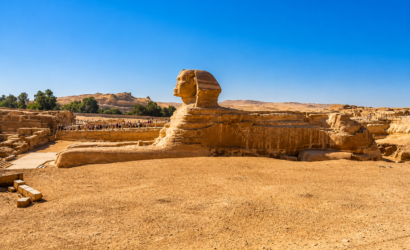
Many travelers begin their journey in Cairo, where they visit the Giza Pyramids, Great Sphinx, and major museums before traveling to Luxor.
After completing the Nile cruise in Aswan, guests can continue to Abu Simbel or return to Cairo.
Travelers interested in relaxation can also add a Red Sea extension in Hurghada or another coastal destination.
A complete itinerary could therefore combine:
Cairo → Giza → Luxor → M/S Nile Treasure Cruise → Aswan → Abu Simbel → Hurghada
This type of itinerary allows visitors to experience ancient monuments, Nile landscapes, Egyptian culture, and the Red Sea in one vacation.
Final Experience
The M/S Nile Treasure Cruise – 4 Nights from Luxor to Aswan offers a balanced way to discover Upper Egypt.
The journey combines the extraordinary archaeological heritage of Luxor with the beautifully preserved temples of Edfu and Kom Ombo and the distinctive landscapes and monuments of Aswan.
The biggest advantage is the combination of exploration and relaxation. Travelers can spend part of each day discovering ancient Egyptian history and another part simply enjoying the Nile from the ship.
For anyone planning an Egypt vacation and looking for a convenient Luxor to Aswan Nile cruise, the M/S Nile Treasure provides an itinerary centered on Egypt’s most important southern attractions while allowing guests to experience the Nile itself as an essential part of the journey.